


Lemon Balm Seeds (Melissa officinalis) – Fragrant Culinary Herb for Tea, Herb Gardens & Pollinator-Friendly Planting
- Regular price
-
$4.95 - Regular price
-
- Sale price
-
$4.95
Couldn't load pickup availability
-
Hurry, only 6 items left in stock!
Shipping information
Shipped from Wardell, NSW. Shipping is calculated at checkout by weight, cubic weight and location.
Standard delivery is usually 2–8 business days. WA, NT and TAS may take 14–30 business days due to biosecurity inspection.
Free local pickup is available from 1335 Wardell Road, Wardell NSW for eligible postcodes within 50km. Travelling through or need something urgently? Please contact us before ordering, as some items may need to be ordered in.
Returns
If you aren't happy with your order. we accept returns.

Description
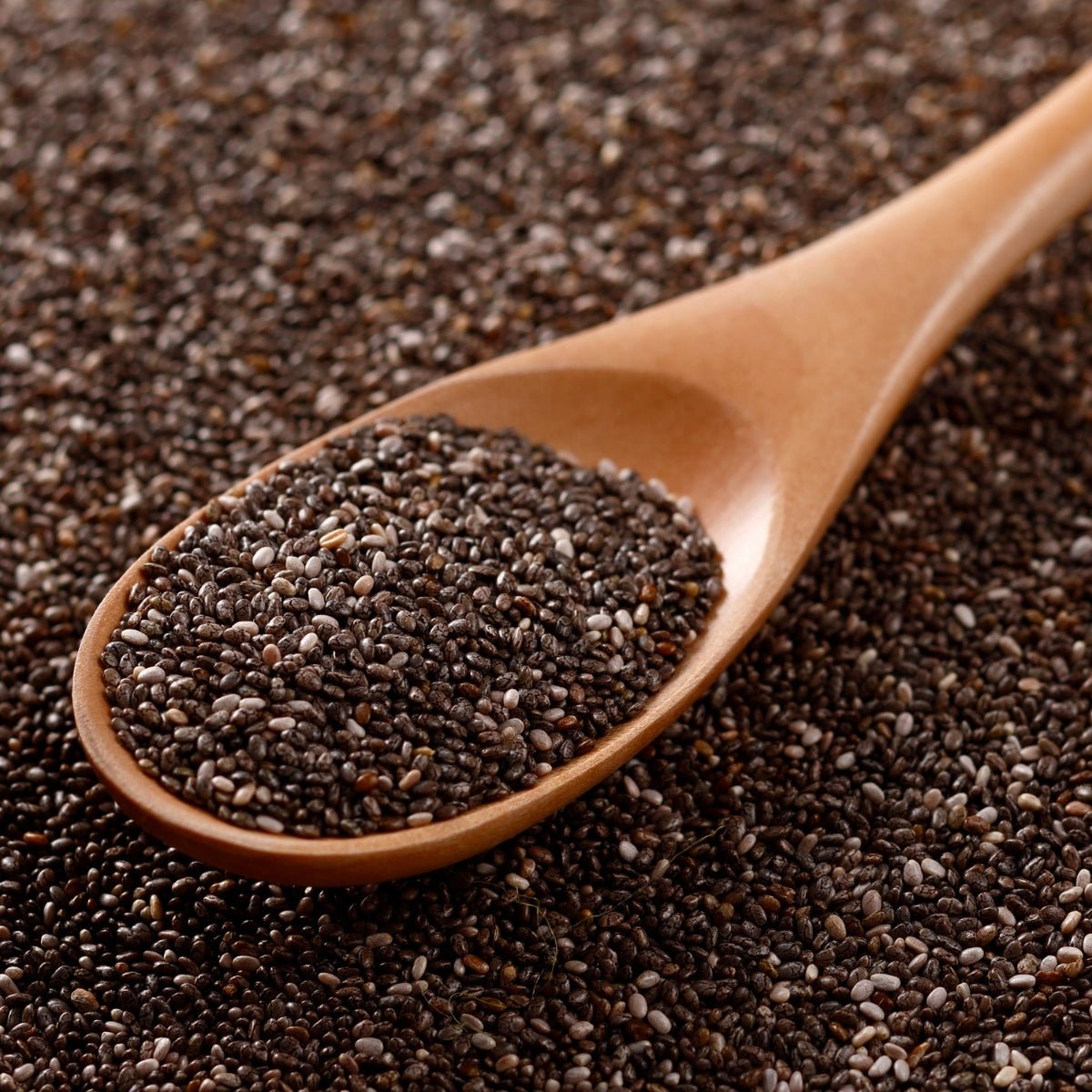
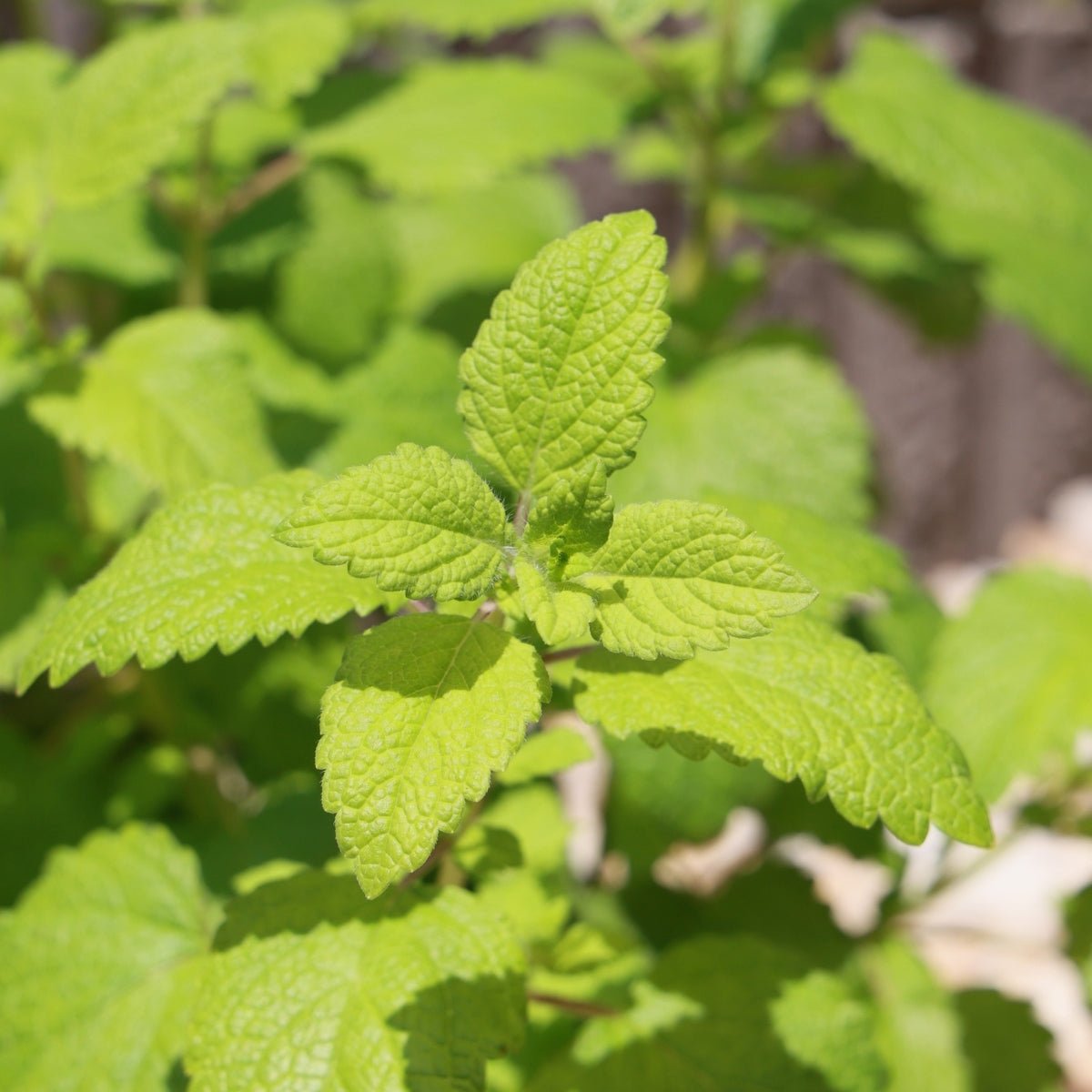
Grow a classic garden favorite with these Lemon Balm Seeds, also known as Melissa officinalis. This fragrant herb is loved for its fresh lemon scent, versatile culinary use, and garden-friendly appeal. Lemon balm is a bushy perennial in the mint family, prized for aromatic leaves that are commonly grown for herb gardens, kitchen gardens, and pollinator-friendly spaces.
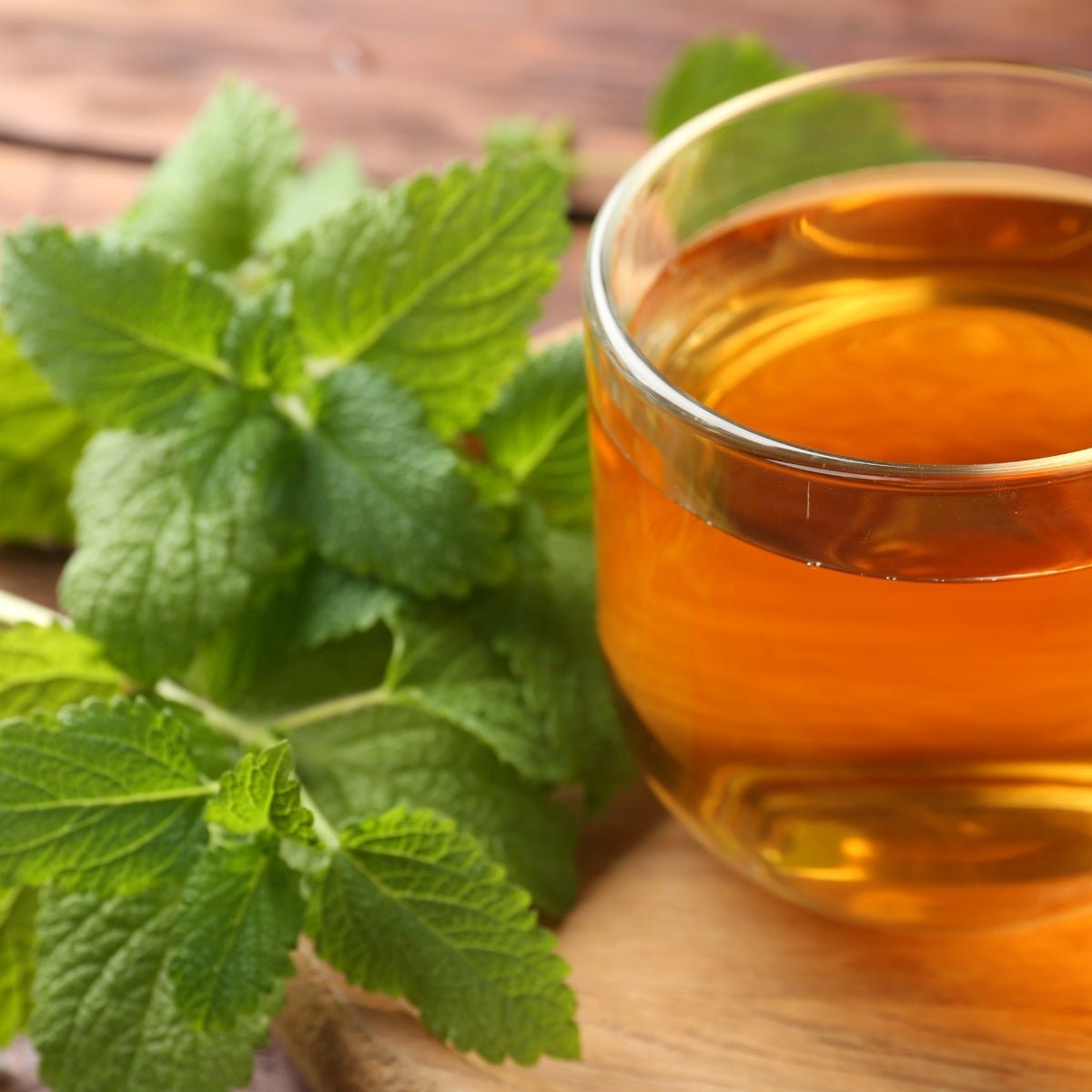
Lemon balm is a great choice for gardeners who want an easy-to-grow herb with both beauty and function. Its lemon-scented foliage is commonly used fresh or dried in teas, drinks, and recipes, while the flowers attract bees and other pollinators during the growing season.
For Australian gardeners, lemon balm grows best in temperate and subtropical climates and performs well in full sun to partial shade. In cool and mountain regions, it grows well in full sun. In warmer subtropical areas, it benefits from light shade or afternoon protection. In hot, dry, or arid climates, regular watering and mulch will help keep plants healthy. In tropical regions, lemon balm can be more challenging but may still be grown during the cooler, drier months with protection from intense heat.
Features
- Botanical name: Melissa officinalis
- Common name: Lemon Balm
- Plant type: Herbaceous perennial herb
- Family: Mint family
- Fragrant lemon-scented leaves
- Suitable for herb gardens, containers, borders, and kitchen gardens
- Pollinator-friendly when allowed to flower
- Can be grown in full sun to partial shade
- Prefers moist, well-drained soil
- Well suited to temperate and subtropical Australian climates
- Ideal for pots, raised beds, and small-space gardens
Why You Should Buy
Lemon balm is a smart pick for home gardeners, herbal tea lovers, and anyone building a productive herb garden. It offers fresh citrusy fragrance, useful edible leaves, and ornamental garden value in one easy-growing plant. It also works well in raised beds, pots, and small-space gardens.
Growing Notes
Lemon balm can be started from seed and generally grows best in full sun to part shade with moist, well-drained soil. Because it can self-seed freely, many gardeners also grow it in containers or prune flower stalks to keep it tidy and manageable.
To sow, plant seeds very shallowly in seed-raising mix and cover only lightly. Keep the soil consistently moist while germinating. Seeds usually sprout within 7 to 14 days. Once seedlings are large enough to handle, transplant them into garden beds, raised beds, or pots with rich, well-drained soil.
For Australian growing conditions, sow in:
- Mid to late spring in cold and mountain regions
- Mid spring to early summer in temperate regions
- Spring in subtropical regions
- Late autumn to mid winter in tropical regions
FAQs
What are Lemon Balm Seeds?
They are seeds of Melissa officinalis, a lemon-scented perennial herb in the mint family.
Is lemon balm perennial?
Yes. Lemon balm is widely described as a herbaceous perennial.
What is lemon balm used for?
It is commonly grown for its fragrant leaves, which are used fresh or dried in teas, drinks, salads, and other culinary applications.
Does lemon balm attract pollinators?
Yes. Its flowers are known for attracting bees and other pollinators.
Can I grow lemon balm in containers?
Yes. Container growing can be a useful option, especially since lemon balm may spread by self-seeding.
What conditions does lemon balm prefer?
It grows best in full sun to partial shade in moist, well-drained soil.
Where does lemon balm grow best in Australia?
Lemon balm grows best in temperate and subtropical climates, but it can also be grown in cooler regions and in tropical areas during the cooler, drier months.
How do I sow lemon balm seeds?
Sow seeds very shallowly in seed-raising mix, cover lightly, and keep moist during germination. Transplant once seedlings are large enough to handle.