


Plants arrived perfect, quick postage and very well priced, thank you
Kumquat Citrus Tree | Japonica - Compact Evergreen Fruiting Citrus


Couldn't load pickup availability
Shipped from Wardell, NSW. Shipping is calculated at checkout by weight, cubic weight and location.
Standard delivery is usually 2–8 business days. WA, NT and TAS may take 14–30 business days due to biosecurity inspection.
Free Local Pickup: Enter 1335 Wardell Road, Wardell NSW 2477 as the delivery address at checkout to display this option. Free delivery is available within 2 km. Travelling through or need something urgently? Contact us first, as some items may need to be ordered in.
If you aren't happy with your order. we accept returns.
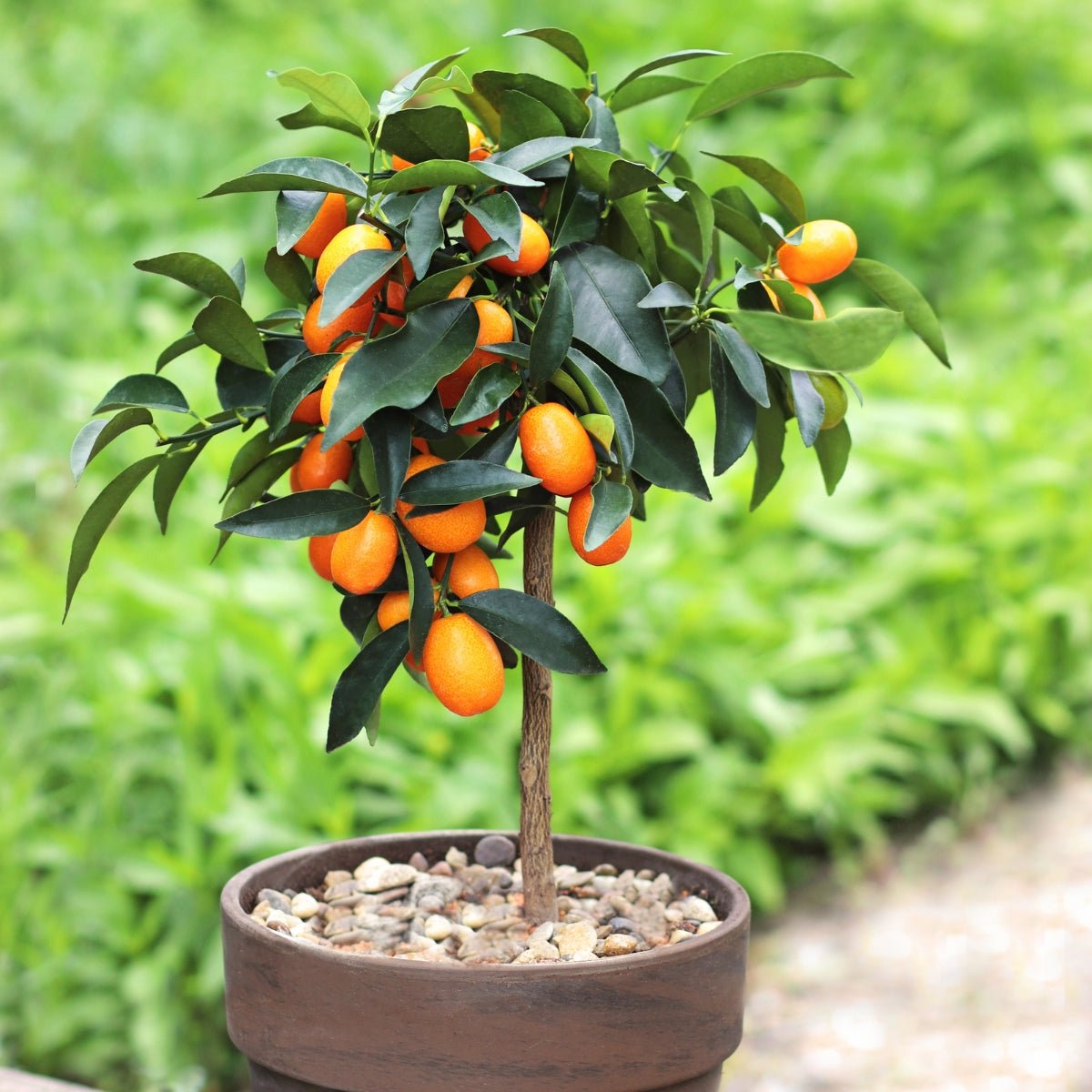
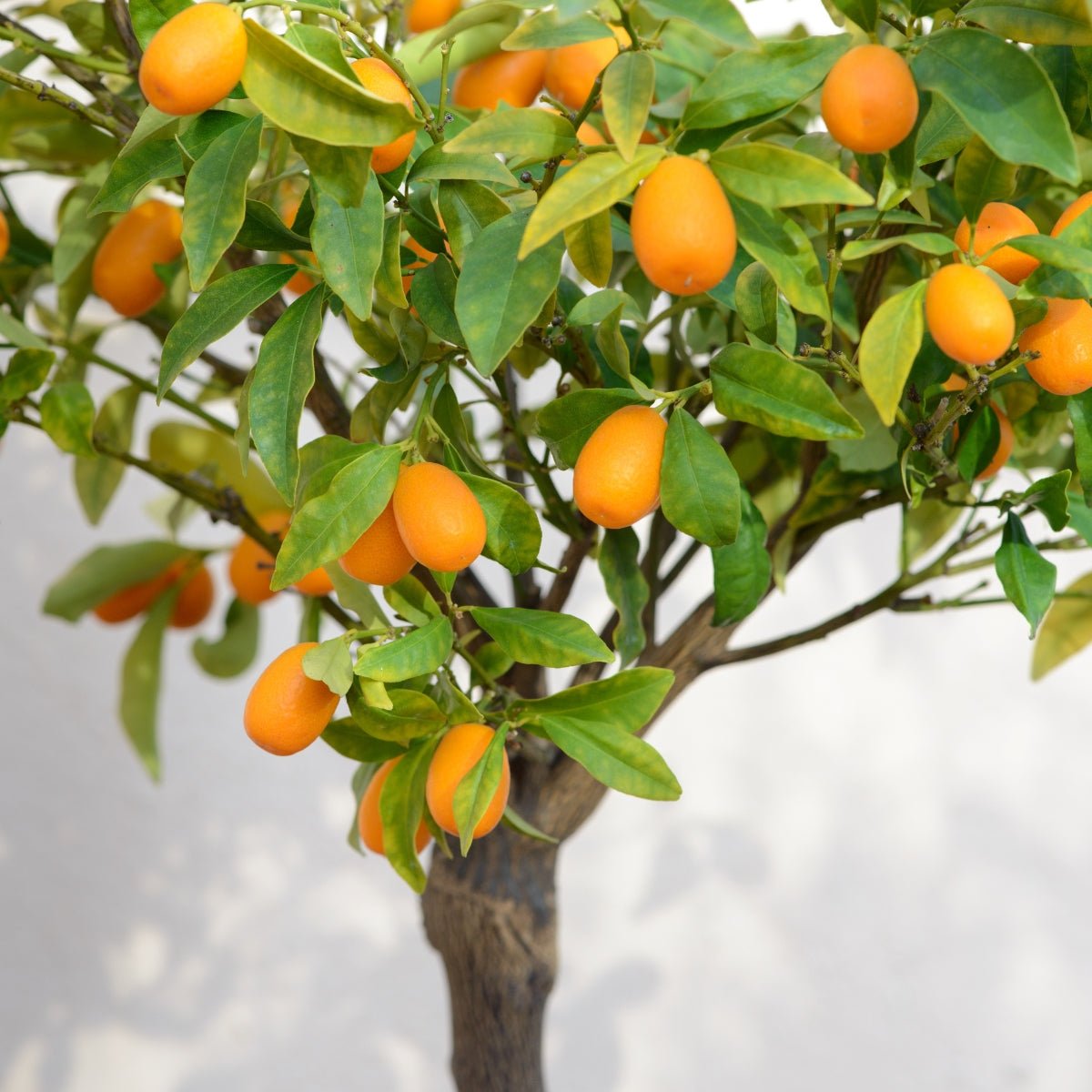
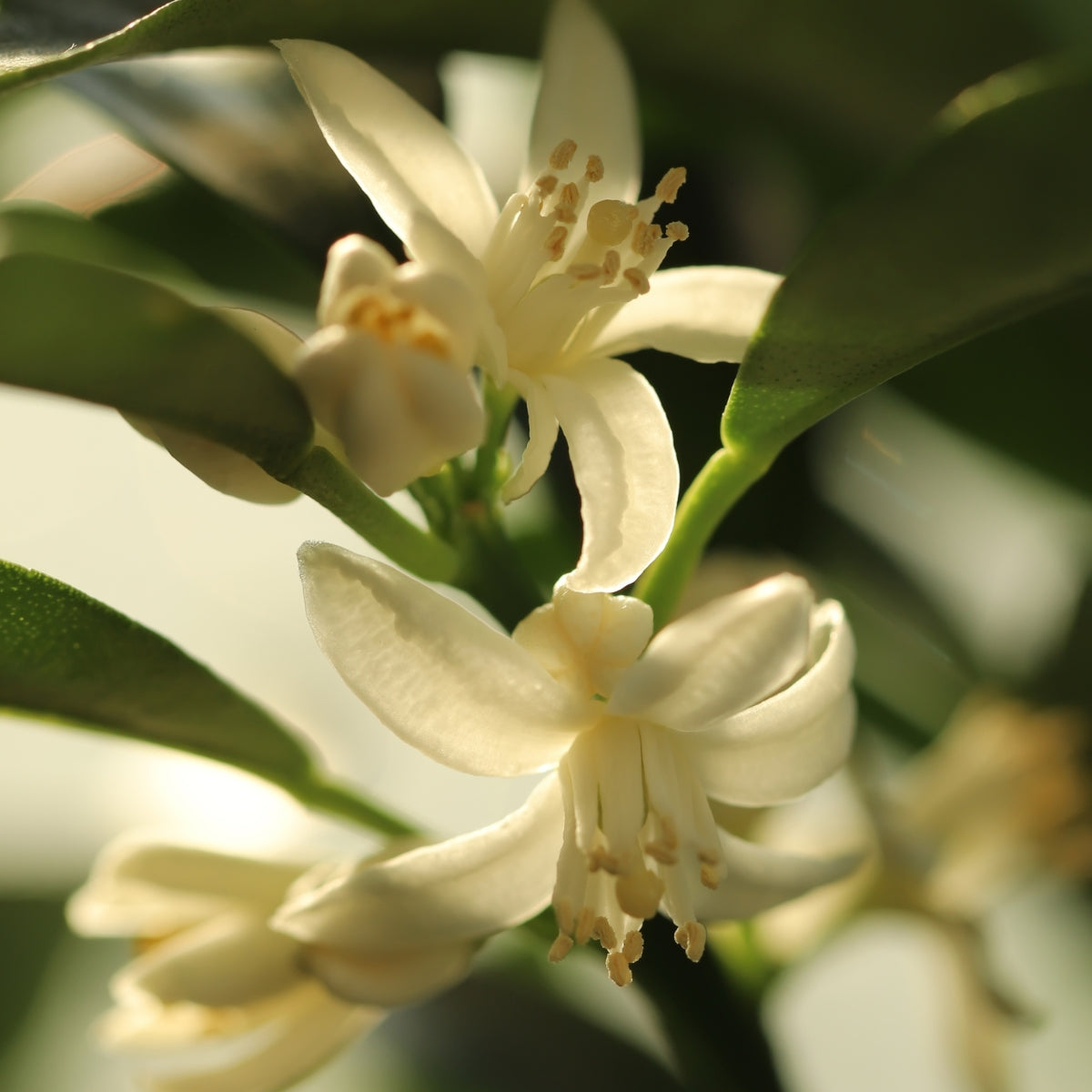
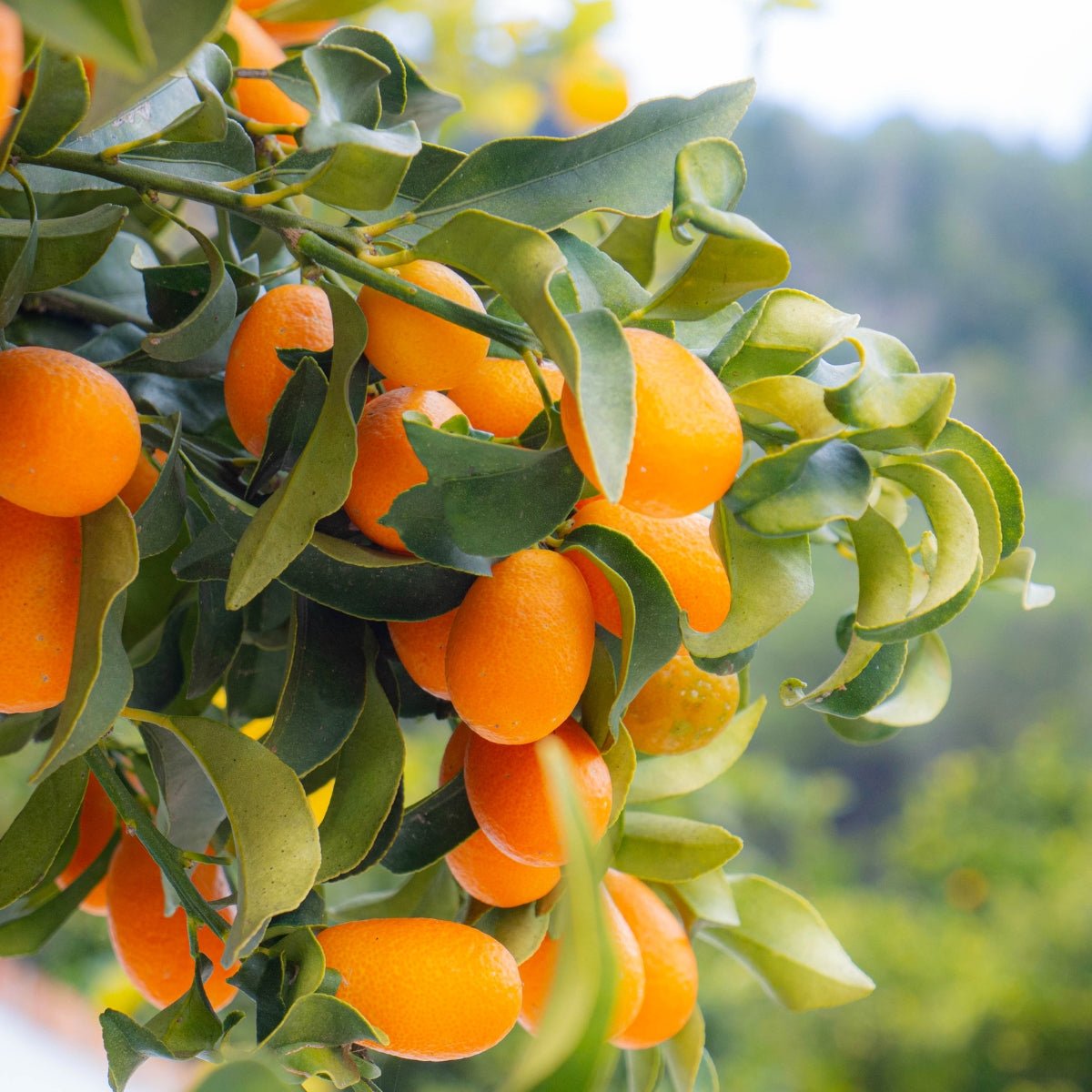
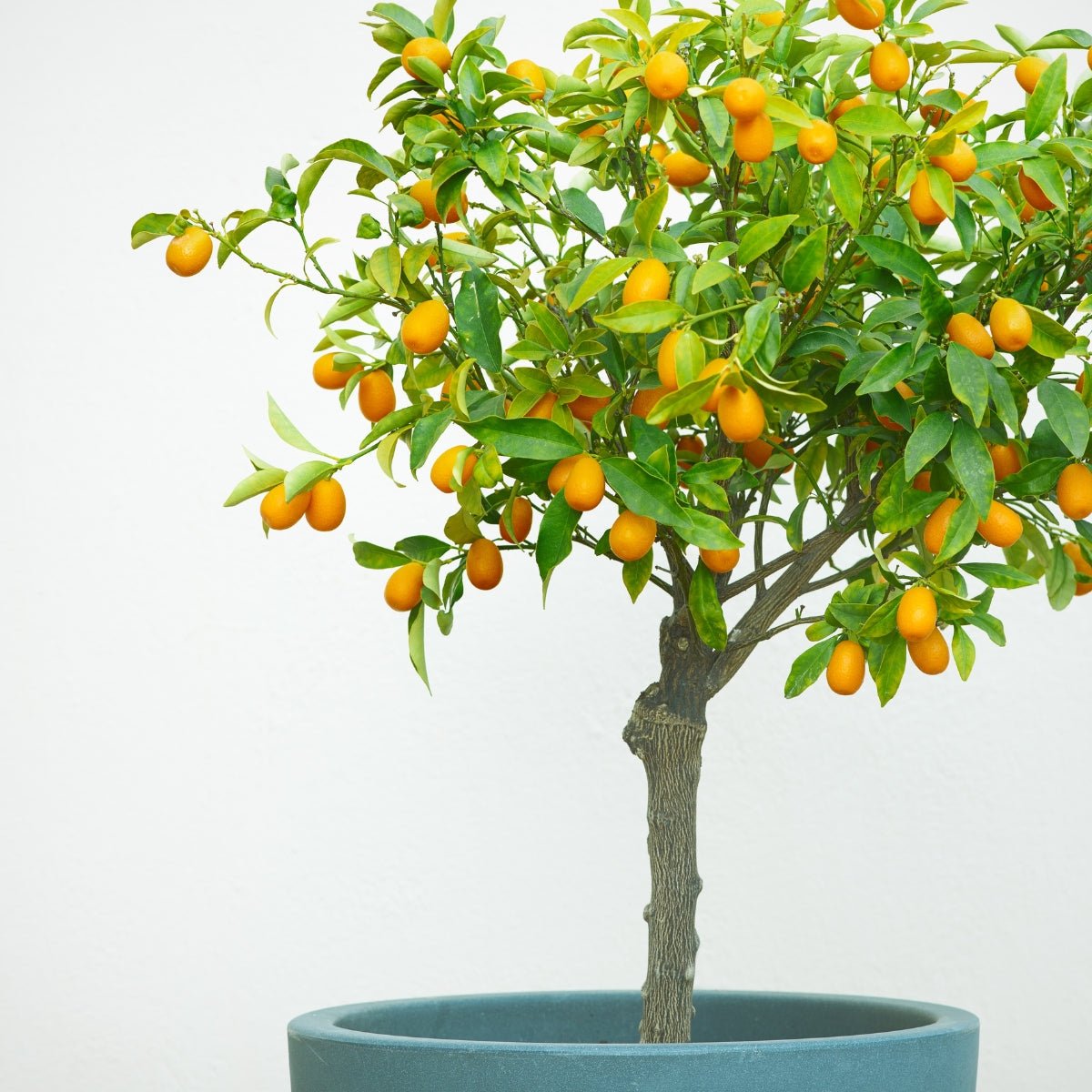
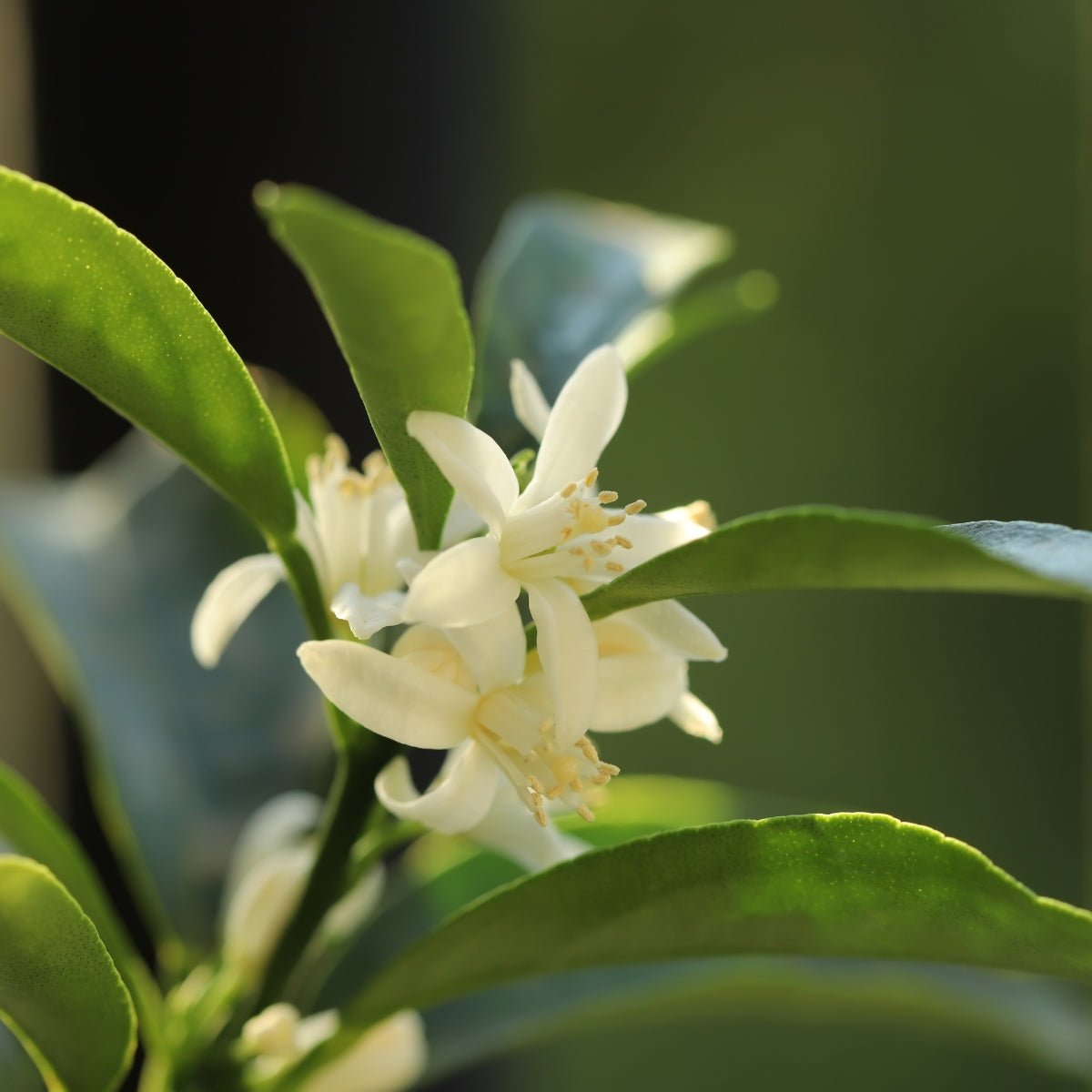
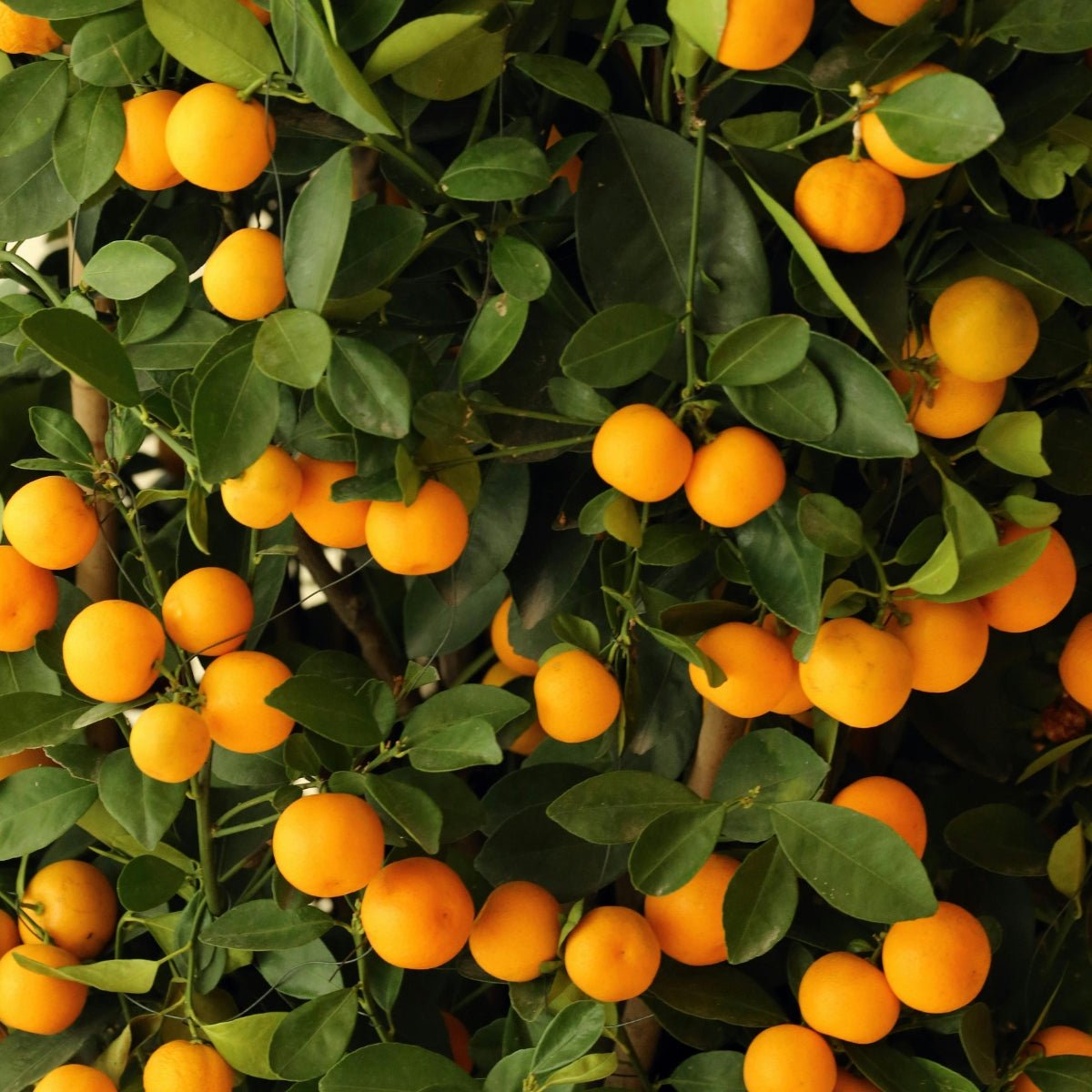
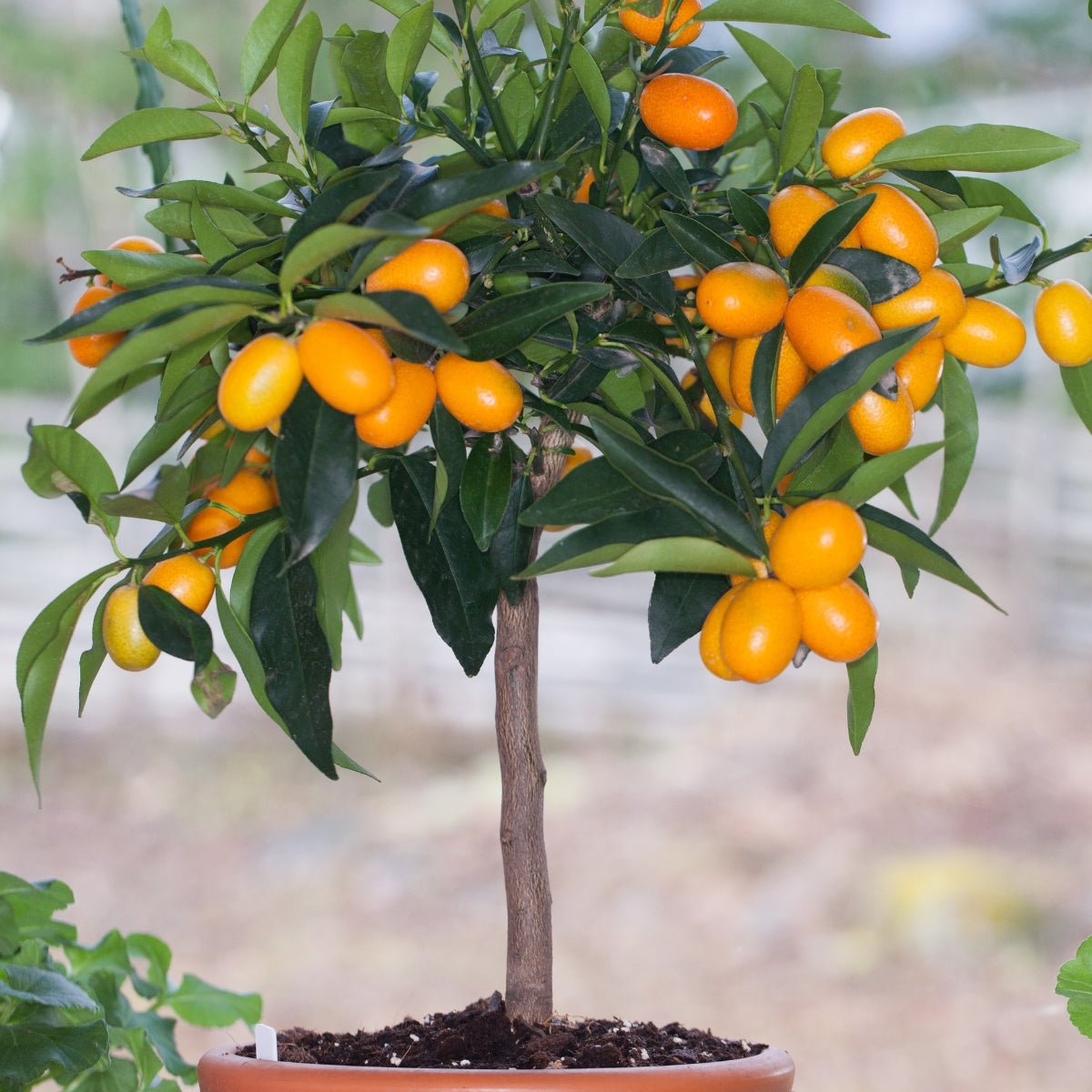
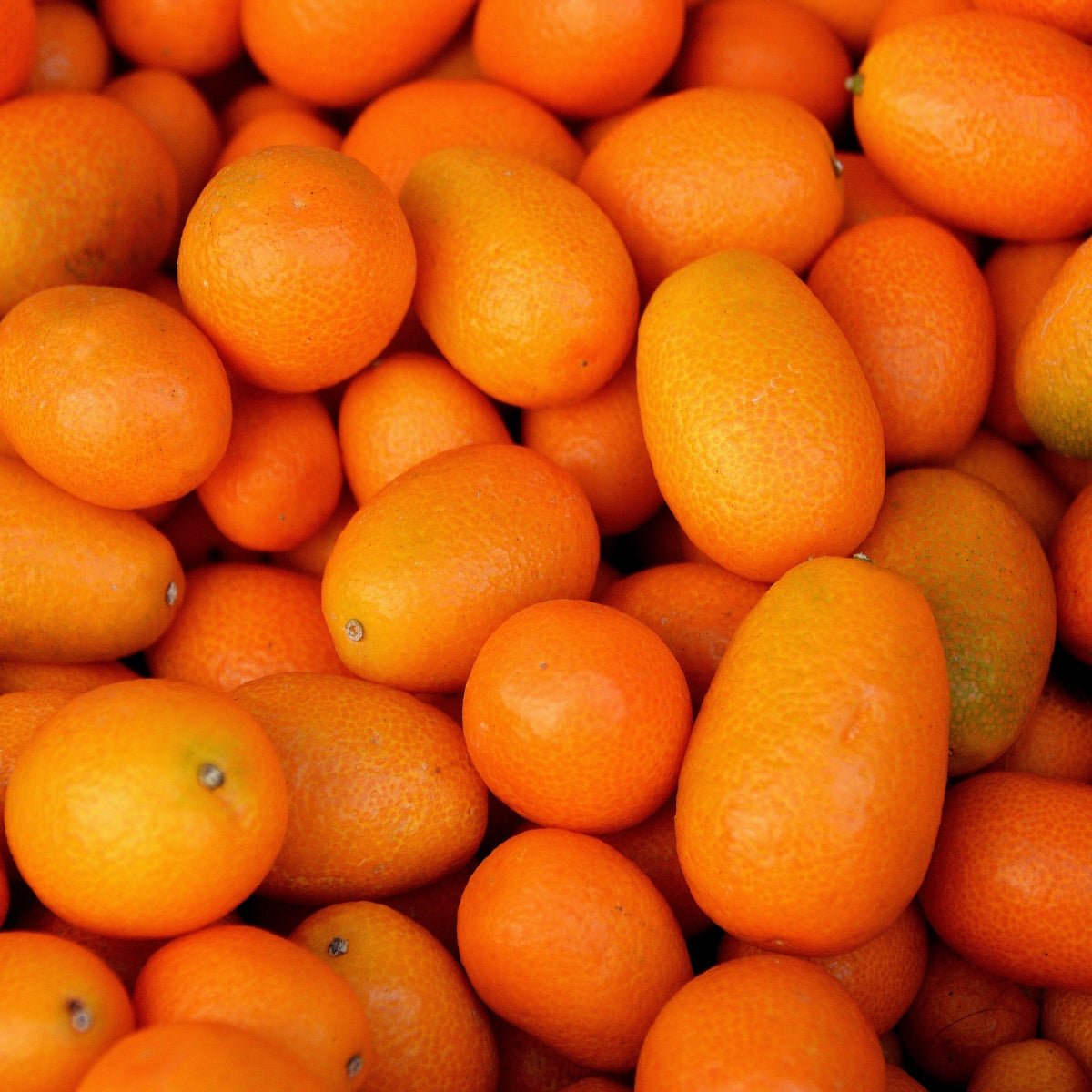
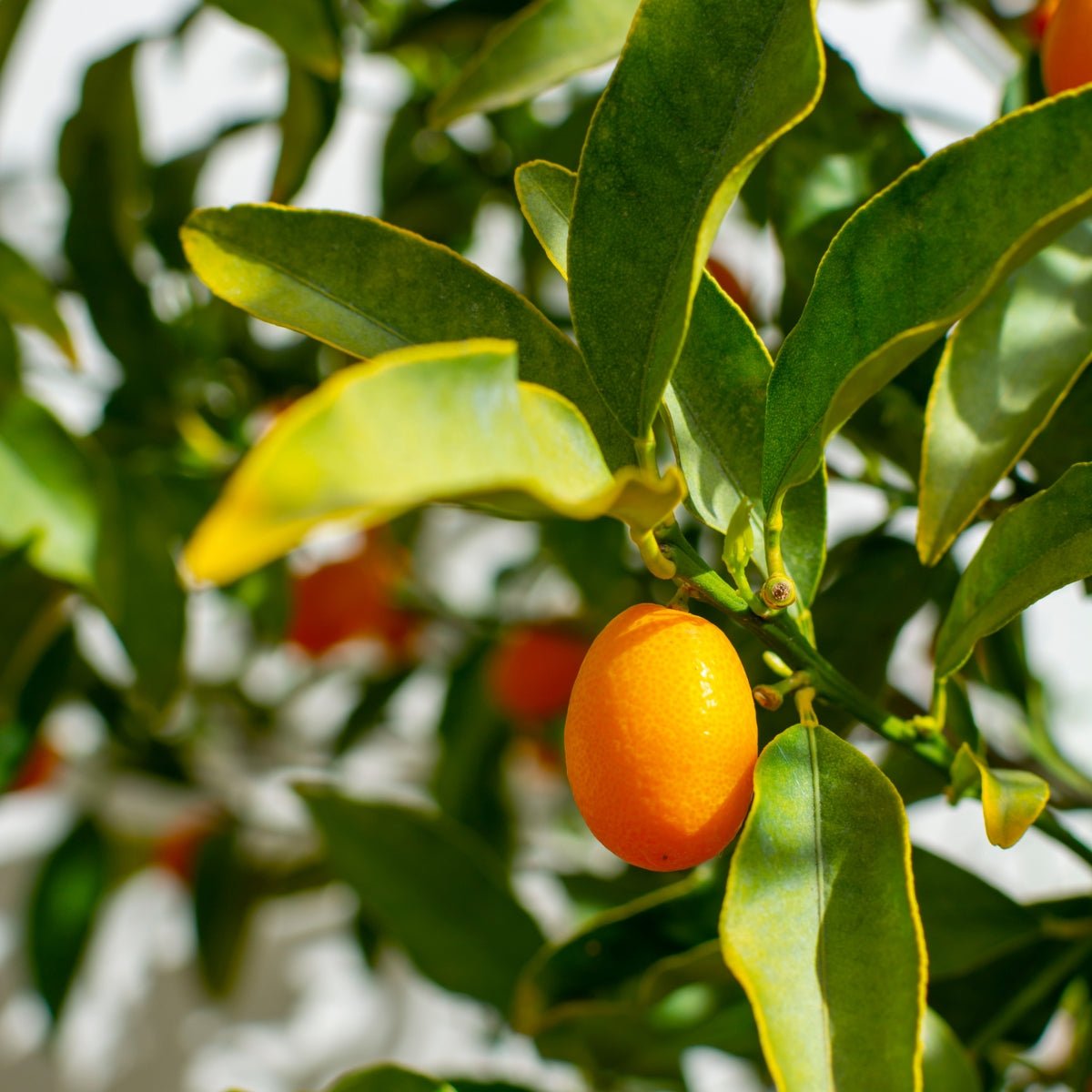
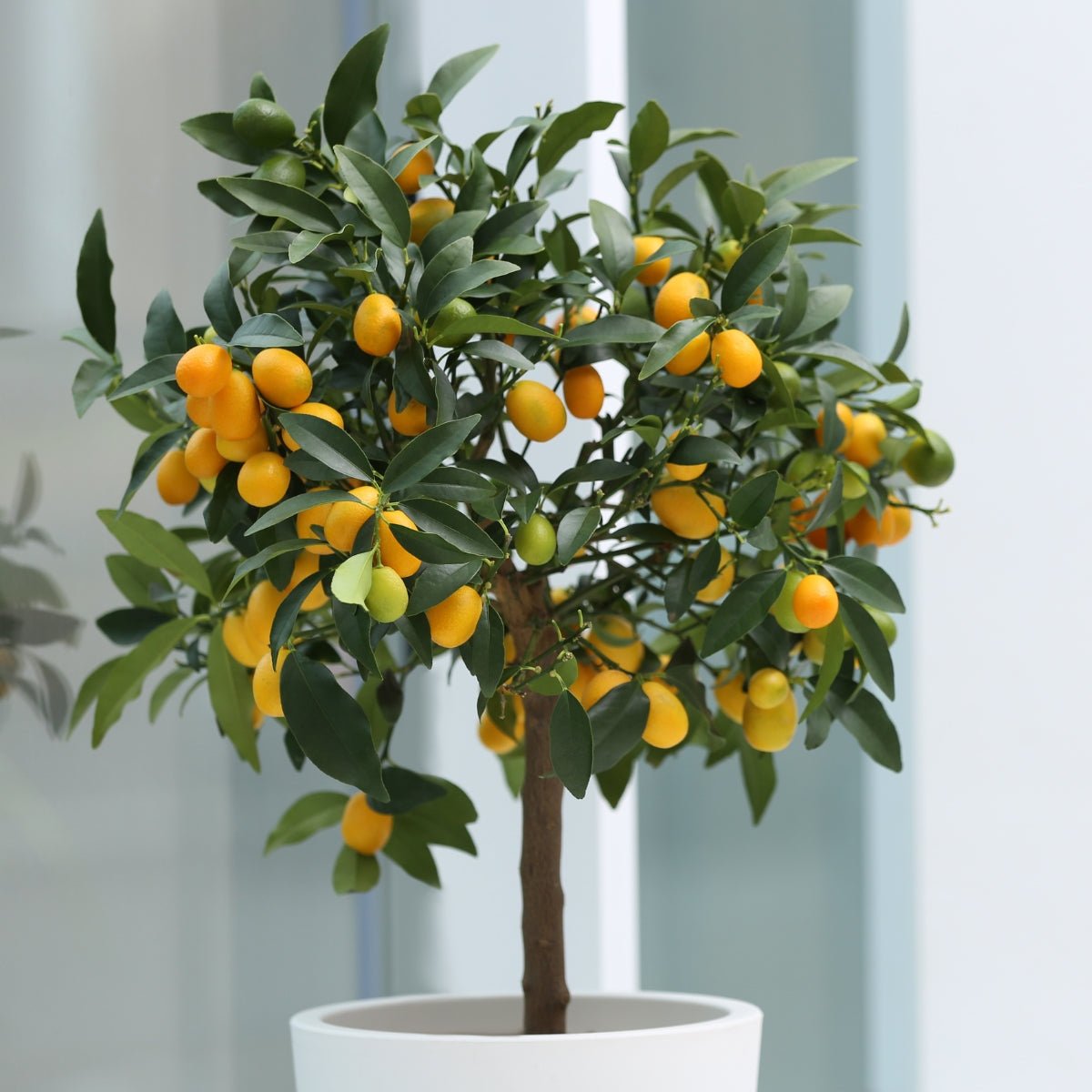
Grow attractive foliage, fragrant flowers and useful edible fruit with a Kumquat Citrus Tree, a naturally compact evergreen citrus well suited to home gardens, courtyards and large pots.
Kumquats produce glossy green foliage, small fragrant white flowers and bright orange fruit. Unlike many larger citrus fruits, kumquats are commonly eaten whole, with the rind providing sweetness and the flesh adding a sharper citrus flavour.
The fruit can also be used for marmalade, preserves, sauces, desserts, drinks, garnishes and candied fruit.
Because this product is not sold under a named cultivar, the exact shape, size, seed content and flavour of the fruit may vary. Fruit may be round to oval depending on the supplied plant.
Shipping restriction: Not available for delivery to Victoria. Other destination restrictions may apply.
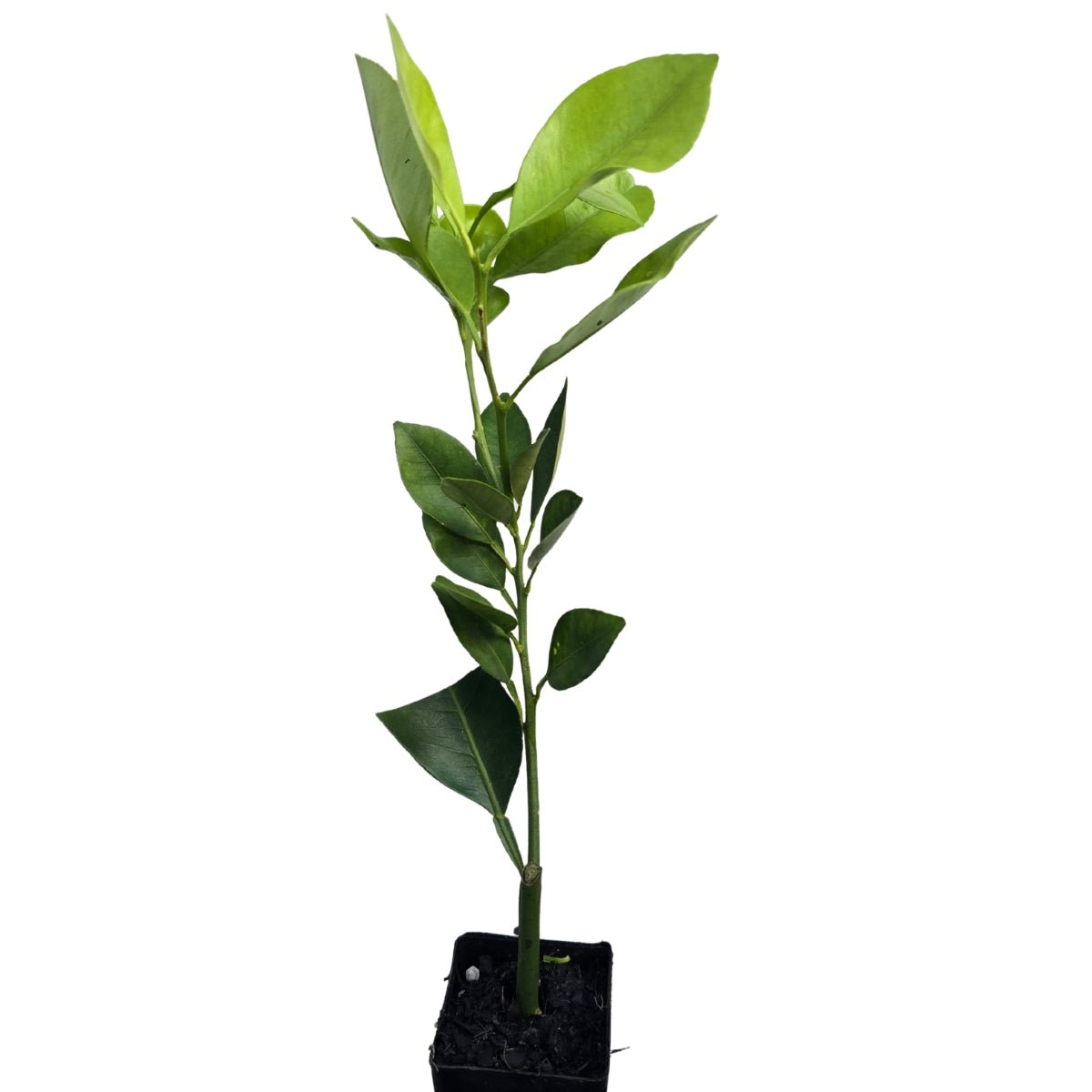
Supplied as a young plant in a 42mm pot.
Plants in 42mm pots are small starter plants and will require growing time before reaching fruiting size or the mature size shown in example images.
Plants may not be flowering or fruiting when dispatched. Height, branching, foliage and seasonal appearance will vary between individual plants.
This product is sold as a general Kumquat Citrus Tree and is not supplied under a named cultivar.
Fruit shape may be round or oval, and sweetness, acidity, seed content and mature plant size may vary between individual plants.
Images are examples only and may show a different kumquat cultivar from the plant supplied.
Plant Kumquat Citrus in a position with full sun.
A location receiving at least six hours of direct sunlight will generally support stronger growth, flowering and fruit development. Light part shade may be tolerated, but reduced sunlight can result in lighter flowering and fruiting.
Choose fertile, free-draining soil. Citrus plants do not tolerate prolonged waterlogging, so improve heavy soil or plant into a raised mound where drainage is poor.
Position the plant at approximately the same depth it was growing in its original pot. Avoid burying the stem or covering the top of the root ball with a thick layer of soil.
Water thoroughly after planting and maintain consistent moisture while the young plant establishes. Allow excess water to drain freely and avoid keeping the soil constantly saturated.
Established citrus still requires regular moisture during hot, dry or windy weather, particularly while flowering and developing fruit.
Apply mulch around the root zone to help retain moisture and reduce weeds. Keep mulch several centimetres away from the stem.
Feed with a fertiliser formulated for citrus and fruit trees during the active growing season. Follow the fertiliser directions carefully, especially while the plant is young.
Kumquats generally require little pruning. Remove dead, damaged or crossing growth and lightly shape the plant after fruiting if required.
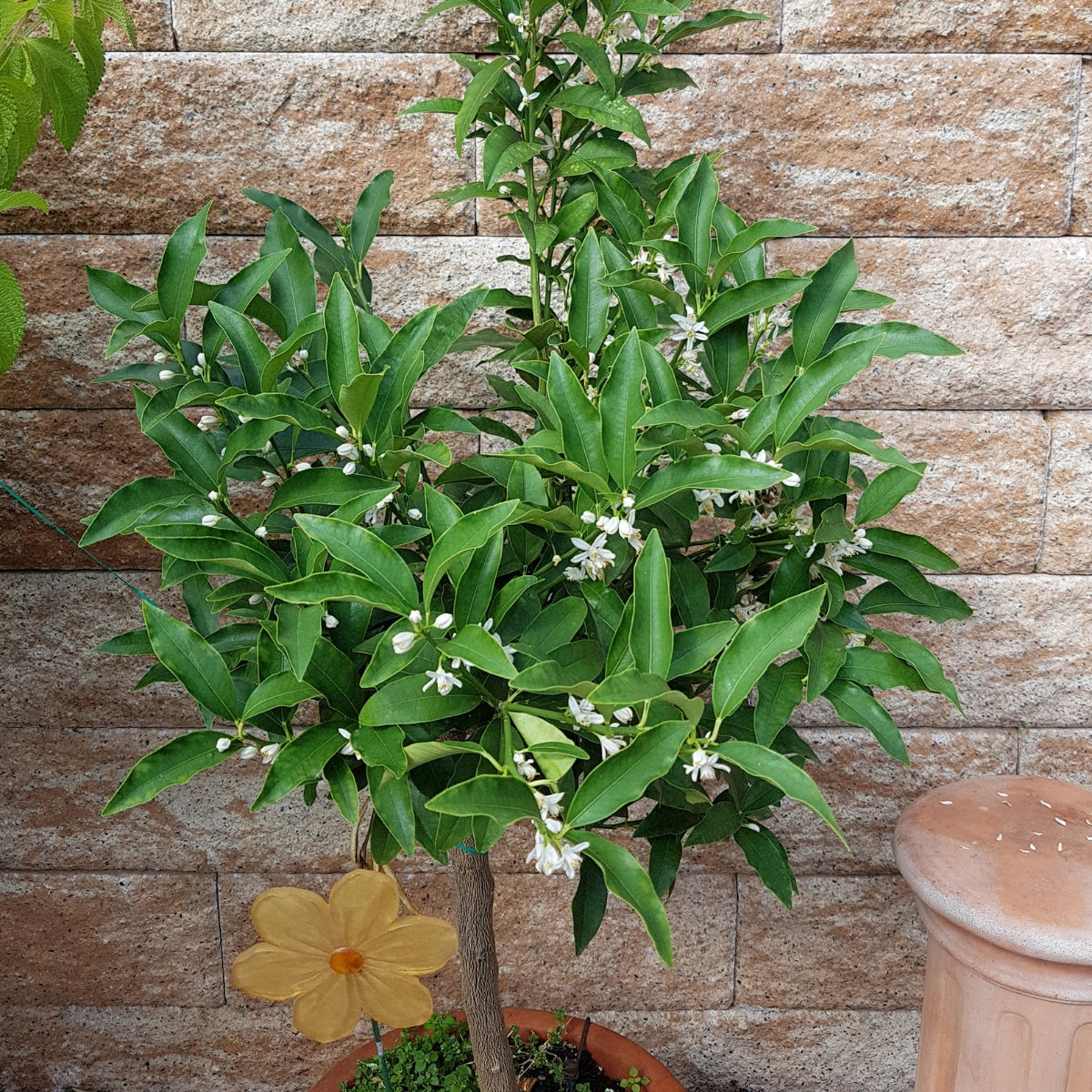
Kumquats produce small, fragrant white citrus flowers, generally during warmer growing periods.
Fruit commonly develops and ripens from autumn into winter, although timing can vary considerably depending on cultivar, climate, plant maturity and seasonal conditions.
Young starter plants will require time to establish before flowering and fruiting. Do not expect a plant supplied in a 42mm pot to produce fruit immediately.
Kumquats are one of the better citrus choices for large pots and containers.
Begin by transferring the young plant into a pot only slightly larger than its current root system. Avoid moving a small plant directly into a very large container, as excess wet potting mix can increase the risk of root problems.
Use a quality premium potting mix suitable for citrus and fruit trees and select a pot with clear drainage holes.
Place the container in a sunny position and water when the upper layer of potting mix begins to dry.
Container-grown citrus requires regular feeding and may need more frequent watering during hot or windy weather.
Gradually move the plant into larger pots as it develops.
Harvest kumquats when the fruit has developed its mature orange colour and feels firm.
Depending on the supplied variety, fruit may be used for:
The entire fruit is commonly eaten, including the rind.
Botanical Name: Citrus japonica
Synonym: Fortunella japonica
Common Name: Kumquat, Cumquat
Plant Type: Evergreen fruiting citrus shrub or small tree
Supplied As: Young live plant in a 42mm pot
Cultivar: Not specified
Flower Colour: White
Fragrance: Fragrant flowers
Fruit Colour: Orange when mature
Fruit Shape: Round to oval depending on supplied plant
Fruit Flavour: Sweet rind with tangy to sour flesh
Foliage: Glossy green and evergreen
Growth Habit: Compact, dense and bushy
Mature Height: Commonly approximately 2–4m, depending on cultivar and pruning
Mature Width: Commonly approximately 2–3m
Flowering Time: Mainly during warmer growing periods
Fruiting Time: Often autumn to winter, depending on cultivar and climate
Aspect: Full sun
Soil: Fertile, free-draining soil
Preferred Soil pH: Approximately 6–7
Watering: Regular while establishing and during fruit development
Frost Tolerance: Protect young plants from heavy frost
Uses: Edible garden, pots, courtyards, feature planting and home orchards
Images show mature plants carrying fruit and are provided as examples only.
You will receive a small starter plant in a 42mm pot. It may have limited branching and will not necessarily be flowering or fruiting when dispatched.
Fruit characteristics cannot be guaranteed because no named cultivar has been specified.
The time required to produce fruit will depend on plant age, propagation method, climate and growing conditions.
This live citrus plant cannot be shipped to Victoria.
Additional state, territory and regional biosecurity restrictions may also apply.
Please check whether live citrus plants can be sent to your delivery address before ordering. Orders placed for restricted destinations may need to be cancelled and refunded.
Biosecurity requirements can change without notice.
Yellow foliage, poor growth or fruit drop can be caused by inconsistent watering, unsuitable soil pH, poor drainage, cold conditions or nutrient deficiencies.
Use a citrus fertiliser according to its label and maintain even soil moisture without leaving the roots waterlogged.
Monitor plants for common citrus pests such as scale, aphids, leaf miner and citrus gall wasp where present in your area.
A kumquat is a compact evergreen citrus plant that produces small orange fruit with an edible rind.
Yes. Both spellings are commonly used. The product may be described as either Kumquat or Cumquat.
This product is not supplied under a named cultivar. The exact variety and fruit characteristics are not guaranteed.
Fruit may be round or oval depending on the supplied plant.
Yes. Kumquats are commonly eaten whole, including the rind. The rind is generally sweeter, while the flesh is more tart.
Many kumquats grow approximately 2–4m high, although mature size varies by cultivar, rootstock, climate and pruning.
You will receive a young starter plant supplied in a 42mm pot.
No guarantee can be made. Plants supplied in 42mm pots are young and are unlikely to be carrying mature fruit when dispatched.
The time to fruit depends on the plant’s age, propagation method and growing conditions. A small starter plant may require several years of growth before producing a useful crop.
Yes. Full sun is recommended for the strongest growth, flowering and fruit production.
It may tolerate light part shade, but flowering and fruiting may be reduced.
Yes. Kumquats are well suited to large containers when provided with full sun, quality potting mix, regular watering and citrus fertiliser.
Use fertile, free-draining soil with a slightly acidic to neutral pH.
Yes. Kumquats generally perform well in warm and subtropical areas with suitable drainage and regular moisture.
Yes, in many temperate areas. Plant it in a warm, sunny and protected position and protect young plants from heavy frost.
Kumquats are generally capable of producing fruit as a single plant, although pollinating insects can help improve fruit set.
Harvest when the fruit has developed its mature orange colour. Timing varies with climate and variety but commonly falls from autumn into winter.
Only light pruning is generally required. Remove damaged growth and shape the plant after fruiting if needed.
Use a fertiliser formulated for citrus and fruit trees, following the application rates on the product label.