


Rosa ‘Blue Moon’ | Fragrant Lilac Hybrid Tea Rose
- Regular price
-
$34.90 - Regular price
-
$28.90 - Sale price
-
$34.90
Couldn't load pickup availability
Shipping information
Shipped from Wardell, NSW. Shipping is calculated at checkout by weight, cubic weight and location.
Standard delivery is usually 2–8 business days. WA, NT and TAS may take 14–30 business days due to biosecurity inspection.
Free local pickup is available from 1335 Wardell Road, Wardell NSW for eligible postcodes within 50km. Travelling through or need something urgently? Please contact us before ordering, as some items may need to be ordered in.
Returns
If you aren't happy with your order. we accept returns.

Description
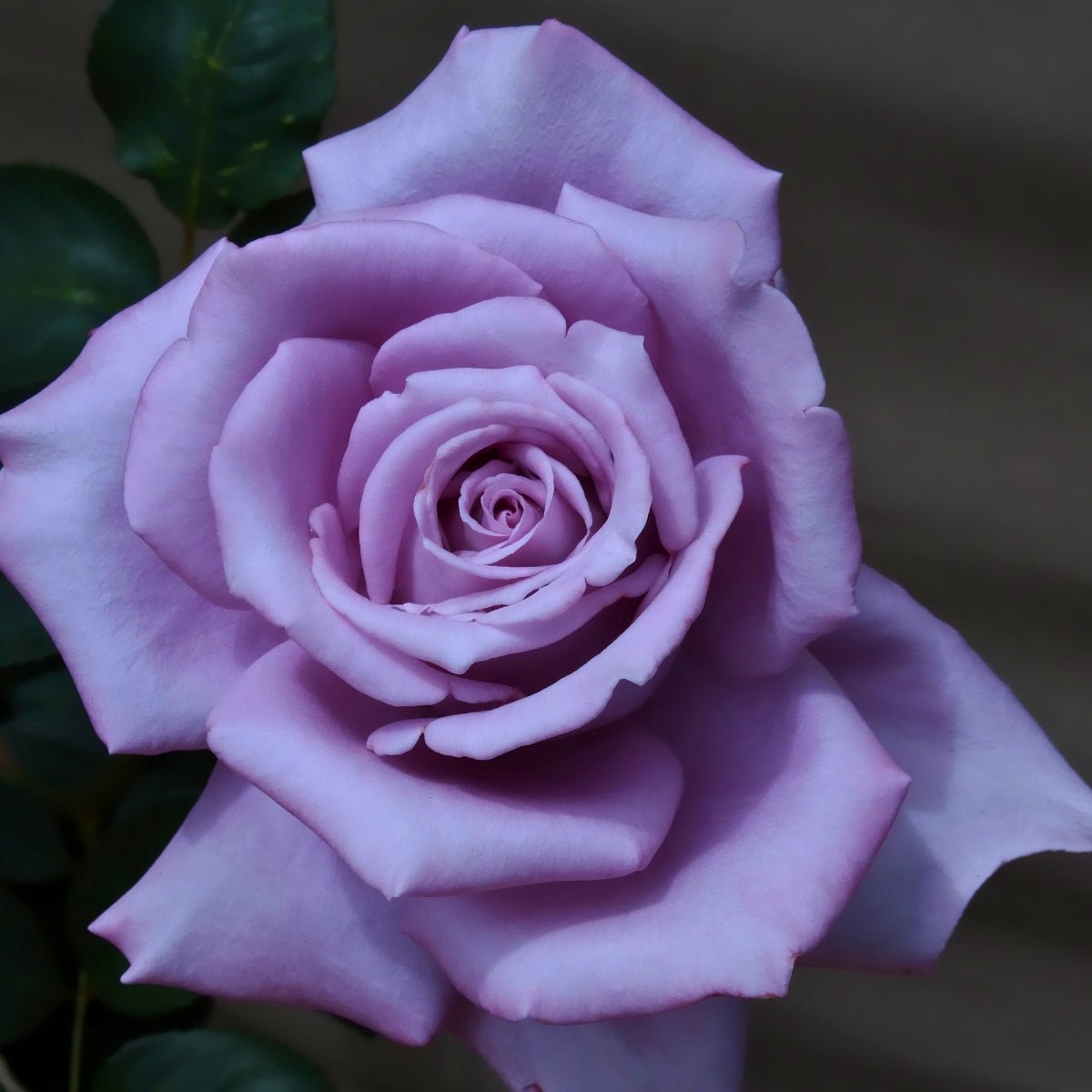
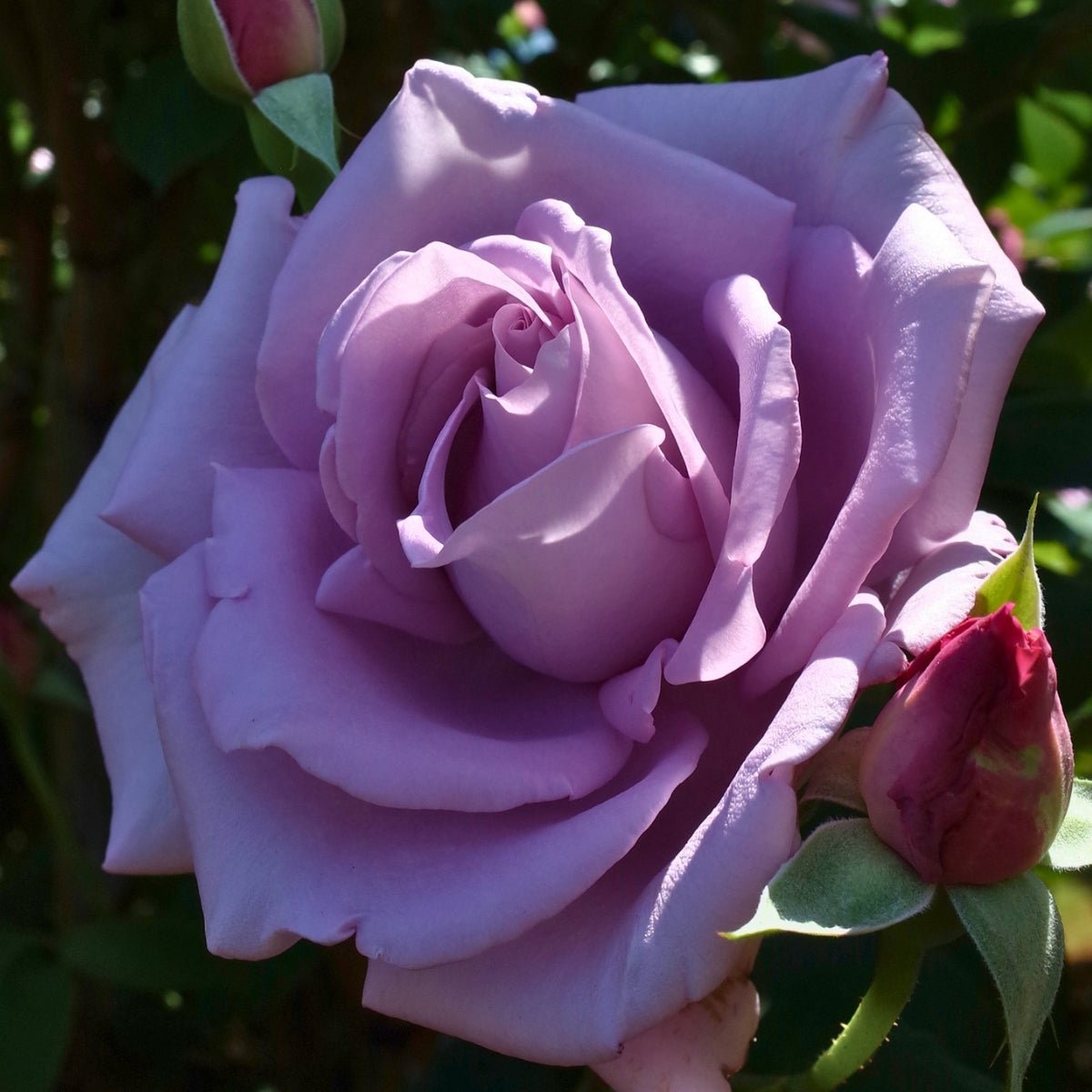
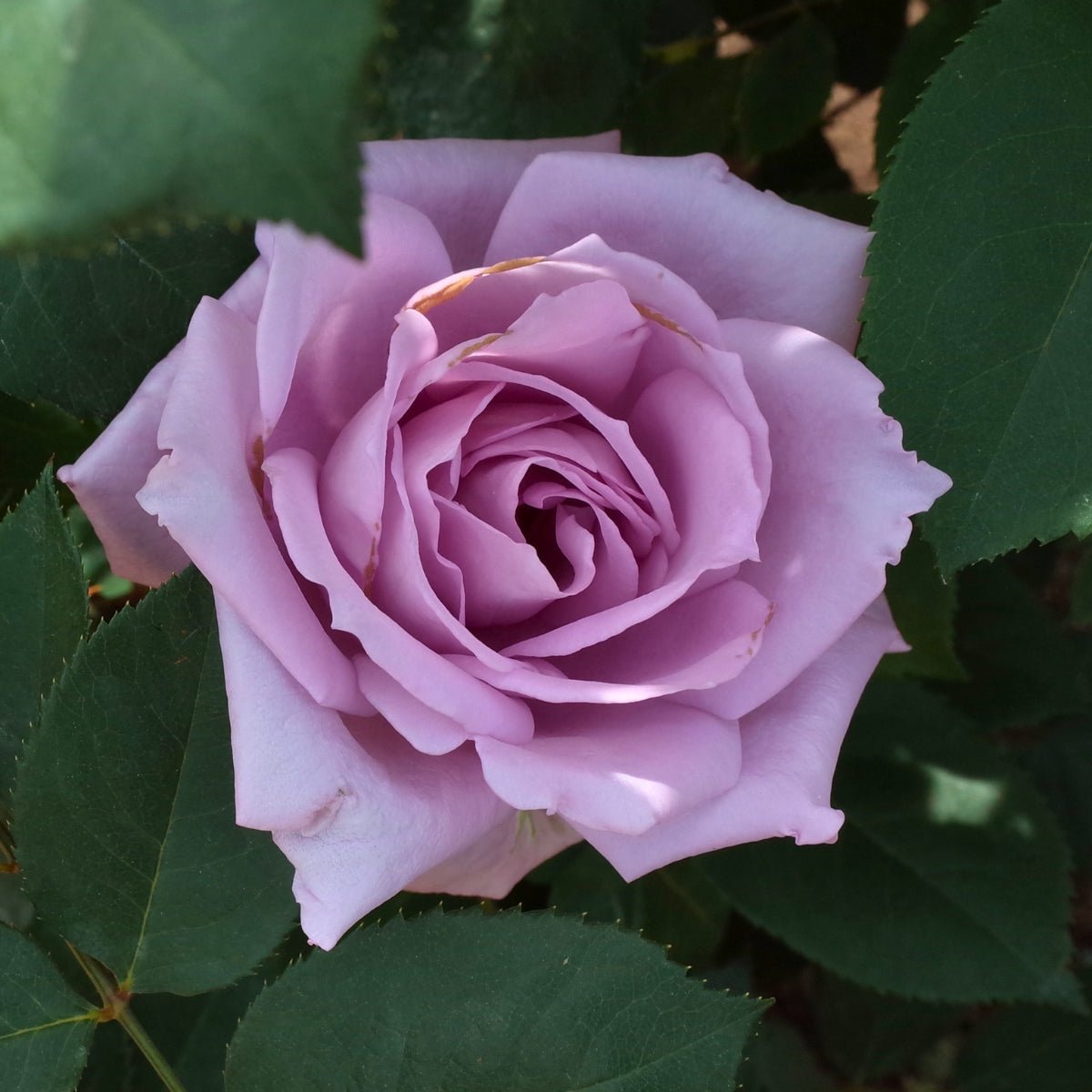
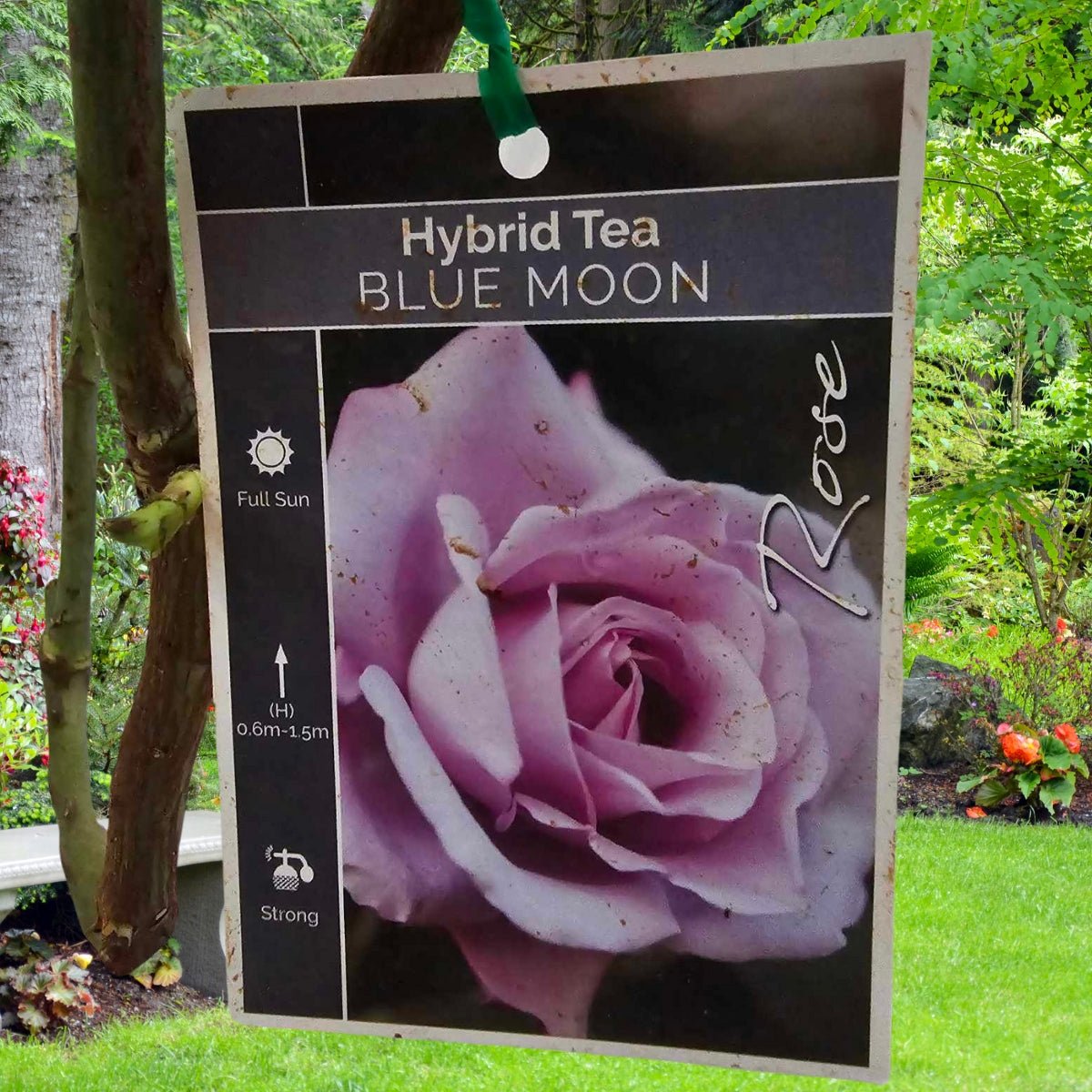
Rosa ‘Blue Moon’ is a highly fragrant hybrid tea rose prized for its large, double lilac to silvery-lavender flowers. The elegantly shaped blooms are carried on long, slender stems above green foliage, making this upright bush rose an excellent choice for fragrant gardens, rose beds, feature planting and cut-flower displays.
Often described as a blue rose, Blue Moon does not produce genuinely blue flowers. Its blooms are more accurately lilac, lavender-blue, mauve or silvery purple. Flower colour can vary with temperature, sunlight, soil conditions and the age of each bloom.
This vigorous, free-flowering hybrid tea rose produces repeated flushes from spring through autumn in suitable Australian climates. Its powerful fragrance is one of its defining features, making it particularly suitable for planting near paths, patios, entrances and outdoor areas where the perfume can be appreciated.
Blue Moon has an upright growth habit and can reach approximately 1.8 metres high and 1.1 metres wide when established.
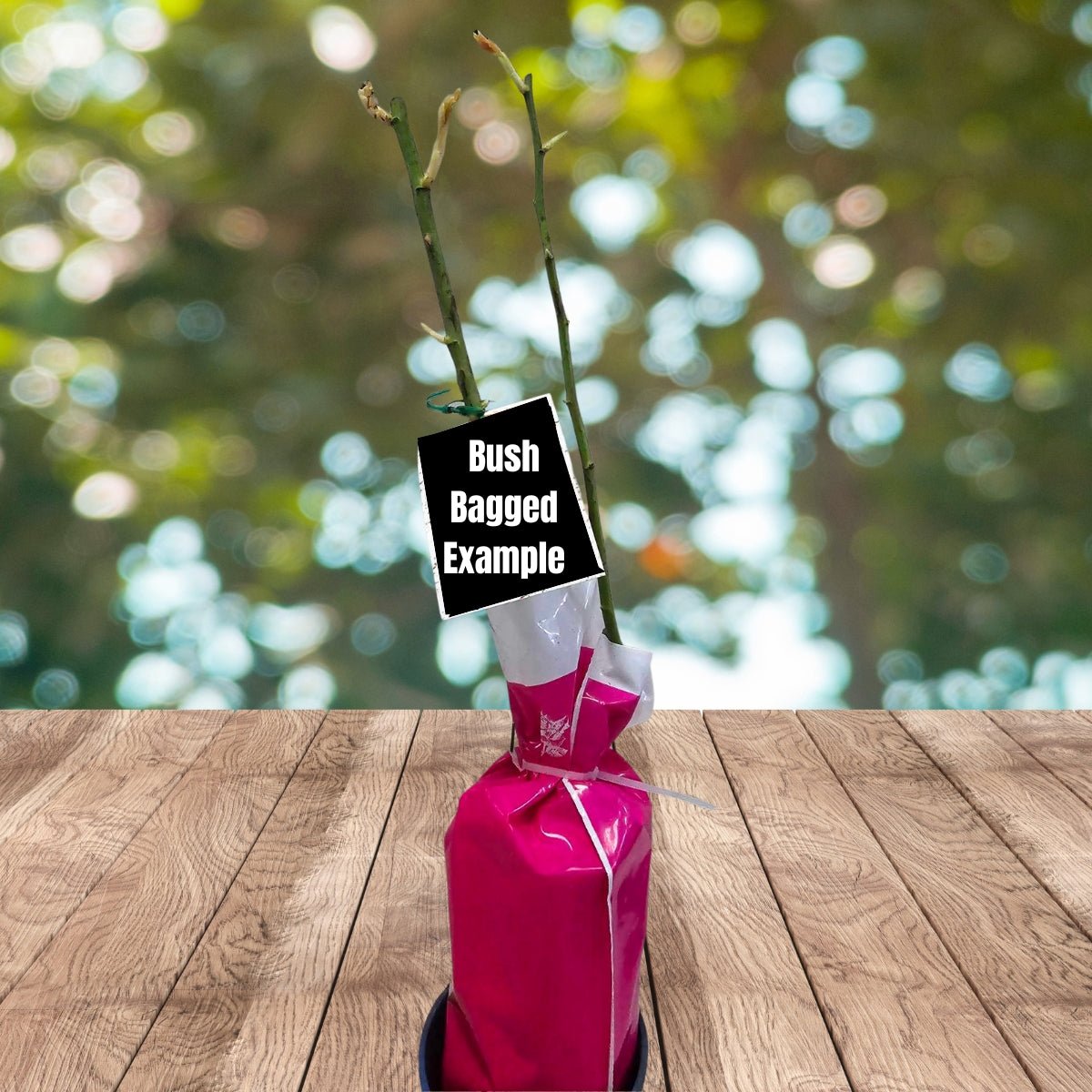
Supplied as a bagged, bare-rooted rose.
Plant Size Note
Supplied as a dormant or semi-dormant bagged, bare-rooted bush rose.
A bare-rooted rose is supplied without a pot or established foliage. The roots are enclosed in protective packaging to help retain moisture during storage and transport.
Depending on the climate and time of dispatch, the rose may arrive with no leaves, swelling buds or a small amount of new growth. The canes and roots may have been trimmed before packing.
This dormant appearance is normal and does not mean the plant is dead.
Bare-rooted roses should be unpacked and planted promptly after delivery. Keep the roots cool and moist until planting, but do not leave them submerged in water for an extended period.
Features
- Large, double lilac to silvery-lavender flowers
- Strong and distinctive rose fragrance
- Classic hybrid tea flower form
- Long stems suitable for cutting
- Vigorous, upright bush
- Repeat flowering through the warmer months
- Suitable for rose beds, borders and feature planting
- Can be grown in a large container
- Deciduous or semi-deciduous during winter
- Supplied bagged and bare-rooted
- Mature height of approximately 1.8 metres
- Mature width of approximately 1.1 metres
Flower Colour
Blue Moon produces large lilac, silvery-mauve or lavender-blue flowers.
Despite its name, this rose does not produce a true blue pigment. The flowers generally display cool lavender and mauve tones that may appear more blue under soft light.
Colour intensity can vary according to:
- Day and night temperatures
- Sun exposure
- Soil and plant nutrition
- Flower maturity
- Seasonal conditions
- Local climate
Flowers may appear deeper lilac during cooler weather and paler or more silvery during warm conditions. Strong summer sun may fade mature flowers more quickly.
Flower Form and Fragrance
The flowers are large and double, with a classic hybrid tea form. Buds generally open into high-centred blooms with layered petals.
Flowers are commonly produced singly or in small groups on long stems, making them suitable for cutting and displaying in vases.
Blue Moon is known for its very strong fragrance. The perfume is generally described as a rich traditional rose scent with sweet and citrus-like notes.
Fragrance strength may vary with temperature, humidity, time of day and flower maturity.
Growth Habit and Mature Size
Blue Moon develops into a vigorous, upright and relatively open bush rose.
Its long flowering stems rise above the main framework of the plant, producing flowers at a useful height for cutting.
Under suitable growing conditions, it can reach approximately:
Mature Height: 1.8 metres
Mature Width: 1.1 metres
Final size will depend on climate, soil fertility, water availability, pruning and the length of the local growing season.
Plants grown in warm subtropical climates may grow for a longer period each year and may require more frequent pruning than plants in cool-temperate gardens.
Allow sufficient space around the plant for airflow and maintenance. Avoid crowding it tightly between other shrubs, as restricted airflow can increase fungal disease pressure.
Plant Characteristics
Blue Moon is a grafted hybrid tea bush rose with woody, thorn-bearing canes and green compound foliage.
The bush produces long flowering stems with large terminal blooms. It is primarily grown for its fragrance, unusual lilac flower colour and suitability as a cut flower.
Like most hybrid tea roses, it performs best with regular pruning, feeding, watering and disease monitoring.
The foliage may be affected by common rose problems such as black spot, powdery mildew, rust, aphids and mites, particularly during humid, wet or poorly ventilated conditions.
Good airflow, adequate sunlight, garden hygiene and watering at soil level will help reduce disease pressure.
Plant Class and Life Cycle
Blue Moon is a hybrid tea bush rose from the Rosaceae family.
It is a woody, long-lived perennial.
The plant is usually deciduous in cool-temperate climates, losing its foliage and becoming dormant during winter.
In subtropical and mild coastal climates, it may remain partly foliated or only experience a short period of reduced growth rather than becoming fully dormant.
The bagged bare-root plant is supplied during its natural dormant or reduced-growth stage.
Planting a Bagged Bare-Root Rose
Open the packaging promptly after delivery and inspect the plant.
Do not allow the roots to dry out.
Remove the rose from the bag and gently remove loose packing material from around the roots. Soak the roots in a bucket of clean water for approximately two to four hours before planting.
Do not leave the entire plant submerged and do not soak the roots for longer than necessary.
Choose a planting position with at least six hours of direct sunlight each day and good airflow.
Dig a planting hole wide enough for the roots to spread naturally without being bent tightly or twisted. Create a small mound of soil in the centre of the hole and arrange the roots evenly over it.
Position the rose so the graft or bud union sits approximately level with or slightly above the finished soil surface in most mild Australian climates.
Backfill with the original improved soil, gently firming it around the roots to remove large air pockets.
Water thoroughly after planting.
Do not place concentrated fertiliser directly against bare roots at planting time. Begin regular fertilising after the plant has established and produced healthy new growth.
Apply mulch around the root zone to conserve moisture, but keep the mulch clear of the graft and main canes.
Preferred Soil Type
Blue Moon grows best in fertile, well-drained soil containing organic matter.
Suitable soils include:
- Improved loam
- Sandy loam enriched with compost
- Well-structured clay that drains freely
- Raised garden beds with quality soil
- Premium potting mix formulated for roses
A slightly acidic to neutral soil is generally preferred.
Heavy clay should be improved before planting to prevent waterlogging. Raised planting may be required where drainage is poor.
Very sandy soil should be enriched with compost or other well-decomposed organic matter to improve moisture and nutrient retention.
Avoid planting into soil that remains permanently wet, compacted or poorly aerated.
Where another rose has recently died, replace or substantially improve the surrounding soil before replanting to reduce the risk of poor establishment.
Sunlight
Plant Blue Moon in full sun.
A position receiving at least six hours of direct sunlight each day will generally produce the strongest growth, best flowering and healthiest foliage.
Morning sun is particularly useful because it helps dry moisture from the leaves.
In very hot inland climates, some protection from severe late-afternoon sun may help reduce flower fading and petal scorch. However, excessive shade can result in weak growth, fewer flowers and increased fungal disease.
Blue Moon is not recommended for deeply shaded garden positions.
Watering Needs
Water deeply and regularly while the bare-root rose establishes.
Newly planted roses have a limited active root system and should not be allowed to dry out during their first growing season.
Once established, water deeply when the upper soil begins to dry rather than applying frequent shallow watering.
The required frequency will depend on:
- Temperature
- Rainfall
- Soil type
- Wind exposure
- Plant size
- Whether the plant is grown in the ground or a container
During hot Australian summers, roses may require additional deep watering.
Apply water around the root zone rather than repeatedly wetting the flowers and foliage. Watering early in the day allows accidental leaf moisture to dry more quickly.
Avoid permanently saturated soil, as poor drainage can damage the roots.
Flowering Season
Blue Moon is a repeat-flowering rose.
The main flowering period is generally from spring through autumn, with blooms produced in successive flushes.
In warm subtropical and mild coastal climates, flowering may begin earlier and continue later than in cool-temperate districts.
Flower production may slow during:
- Extreme summer heat
- Prolonged drought
- Cold winter weather
- Severe pest or disease pressure
- Periods immediately after heavy pruning
Removing spent flowers encourages the plant to redirect energy into new flowering growth rather than seed development.
A newly planted bare-root rose may flower during its first growing season, but the size and number of blooms will increase as the plant establishes.
Flower production cannot be guaranteed within a particular timeframe.
Australian Climate and Hardiness
Blue Moon can be grown in many Australian rose-growing regions, including:
- Subtropical climates
- Warm-temperate climates
- Cool-temperate climates
- Mediterranean-style climates
- Mild coastal areas
- Sheltered inland gardens
- Frost-prone districts where roses enter winter dormancy
It generally performs best where it receives strong sunlight, good airflow, freely draining soil and distinct seasonal conditions.
Subtropical Gardens
Blue Moon can grow in subtropical Australian gardens, including the Northern Rivers of NSW and south-east Queensland.
Warmth and humidity can increase the risk of black spot and other fungal diseases. Plant in an open, sunny position and avoid crowding.
Remove fallen diseased leaves, water at soil level and monitor foliage regularly.
Winter pruning may need to be timed according to local conditions, as subtropical roses may not become completely dormant.
Tropical Gardens
Hybrid tea roses can be more difficult in persistently hot, humid tropical climates.
Blue Moon may require careful site selection, strong airflow, regular disease management and protection from extreme heat.
It is generally better suited to elevated, seasonally cooler or less humid tropical locations than consistently hot, wet lowland conditions.
Cool-Temperate Gardens
Blue Moon is well suited to cool-temperate rose-growing climates.
Winter dormancy supports annual pruning and strong spring growth. Protect emerging shoots from severe late frost where necessary.
Frost Tolerance
Established dormant roses tolerate normal winter frosts.
Fresh spring growth, developing flower buds and open blooms can be damaged by severe or late frost.
A newly planted bare-root rose should be protected from unusually severe conditions until it has established.
Heat Tolerance
Blue Moon can tolerate warm Australian summers when supplied with adequate water and mulch.
Extreme heat may:
- Fade the lilac flower colour
- Shorten flower life
- Scorch petal edges
- Reduce bloom size
- Cause temporary flowering pauses
In very hot inland districts, light afternoon protection can be beneficial provided the plant still receives sufficient direct sunlight.
Humidity Tolerance
The plant will grow in humid climates but may require increased fungal disease management.
Provide good spacing, morning sun and airflow. Avoid frequent overhead watering and remove affected leaves promptly.
Coastal Tolerance
Blue Moon is suitable for many coastal gardens where it is protected from direct salt spray and severe ocean winds.
Strong salt exposure can burn foliage and flowers.
Drought Tolerance
Established roses can tolerate short dry periods, but Blue Moon will flower and grow best with consistent moisture.
Prolonged drought may reduce flowering, cause leaf drop and increase stress-related pest problems.
It should not be treated as a no-water plant.
Suitable Spaces and Landscape Uses
Blue Moon is suitable for:
- Dedicated rose gardens
- Fragrant garden beds
- Cut-flower gardens
- Mixed perennial borders
- Feature planting
- Front gardens
- Cottage-style gardens
- Formal gardens
- Paths and entrances
- Patio surrounds
- Large containers
- Memorial gardens
- Subtropical rose gardens
- Cool-climate gardens
Plant near frequently used outdoor spaces to make the most of its strong fragrance.
Its upright habit makes it useful toward the middle or rear of a rose bed, depending on the height of surrounding plants.
Avoid planting directly against walls or among dense shrubs where airflow will be restricted.
Growing in Pots
Blue Moon can be grown in a large container.
Choose a stable pot with generous drainage holes and enough depth for a strong rose root system.
Use a premium potting mix suitable for roses or flowering shrubs. Do not use ordinary garden soil in containers, as it may compact and drain poorly.
Container-grown roses require:
- More frequent watering
- Regular fertilising
- Annual renewal of the upper potting mix
- Monitoring for root congestion
- Protection from overheated pots
- Consistent pruning and deadheading
Do not allow the container to stand continuously in water.
A container may restrict the plant below its potential mature size, but it will still require sufficient room to develop a healthy framework.
Pruning
Blue Moon benefits from annual pruning to maintain shape, encourage strong new flowering stems and remove unproductive wood.
Winter Pruning
In cool and warm-temperate climates, carry out the main prune during winter while the plant is dormant.
Remove:
- Dead or damaged canes
- Weak, thin growth
- Crossing or inward-growing stems
- Diseased wood
- Suckers arising from below the graft
- Old canes that are no longer producing strong growth
Shorten healthy remaining canes to create an open framework with outward-facing buds.
In frost-prone areas, avoid pruning too early if it may encourage new growth before the final severe frost.
Subtropical Pruning
In mild subtropical climates, roses may not become fully dormant. Pruning can generally be carried out during the cooler and drier part of the year.
Avoid severe pruning immediately before extended wet weather or extreme heat.
Deadheading
Remove spent flowers during the growing season to encourage repeat flowering.
Cut back to a healthy outward-facing leaf or bud rather than removing only the flower head.
Use clean, sharp secateurs and wear gloves to protect against thorns.
Fertilising
Do not place concentrated fertiliser directly against the roots of a newly planted bare-root rose.
Allow the plant to establish and begin producing healthy new foliage before starting a regular feeding program.
Once established, apply a fertiliser formulated for roses during active growth, following the product directions.
Roses generally benefit from feeding:
- As new spring growth begins
- After major flowering flushes
- During the active growing season
- After pruning when new growth is established
Compost and well-decomposed organic matter can help improve soil structure and nutrient availability.
Water before and after applying granular fertiliser.
Avoid excessive nitrogen, which may produce soft foliage growth at the expense of flowers and increase susceptibility to pests and disease.
Reduce or stop feeding as the plant approaches winter dormancy in cooler climates.
Pests and Disease Management
Blue Moon may require regular monitoring for common rose pests and diseases.
Potential problems include:
- Black spot
- Powdery mildew
- Rust
- Aphids
- Thrips
- Spider mites
- Scale
- Rose dieback
Warm, humid and wet conditions can increase fungal disease pressure.
To reduce problems:
- Plant in full sun
- Provide good airflow
- Water at soil level
- Remove fallen rose leaves
- Dispose of diseased material
- Disinfect pruning tools when necessary
- Avoid overcrowding
- Maintain balanced nutrition
- Inspect new growth regularly
Flower thrips may mark pale lilac petals, particularly during warm and dry weather.
No rose is completely resistant to every pest or disease. The level of care required will vary between gardens and climates.
Pollinator and Wildlife Value
Rose flowers may be visited by bees and other insects.
Because Blue Moon has large, double blooms with many petals, its pollen and flower centre may be less accessible than those of single-flowered roses.
It should not be relied upon as a major pollinator plant.
For better wildlife value, combine it with a range of single-flowered native and exotic plants that bloom at different times of the year.
If spent flowers are not removed, some roses may form hips. Hip production on Blue Moon is not its primary garden feature and cannot be guaranteed.
Pet Safety
Rosa species are generally classified as non-toxic to dogs and cats.
However, Blue Moon should not be described as completely hazard-free.
The thorns can cause puncture wounds or eye injuries, and chewed plant material may still cause mild digestive upset.
Rose fertilisers, pesticides, fungicides and other garden treatments may also be harmful to animals.
Keep pets away from recently treated plants and store all garden chemicals securely. Follow the safety instructions on any product used around the rose.
Seek veterinary advice if a pet is injured by thorns or develops symptoms after chewing treated plant material.
Product Details
Plant Name: Blue Moon Hybrid Tea Rose
Botanical Name: Rosa ‘Blue Moon’
Cultivar or Breeder Code: ‘Tannacht’
Common Names: Blue Moon Rose, Blue Moon Hybrid Tea Rose, Lilac Rose, Lavender Rose
Rose Class: Hybrid Tea Rose
Plant Family: Rosaceae
Plant Life Cycle: Woody perennial
Seasonal Habit: Deciduous in cool climates; may be semi-deciduous in mild climates
Plant Material: Bagged, bare-rooted grafted bush rose
Flower Colour: Lilac, silvery lavender, mauve to lavender-blue
Flower Form: Large, double, high-centred hybrid tea blooms
Fragrance: Very strong
Foliage: Green compound rose foliage
Growth Habit: Vigorous, upright and free flowering
Mature Height: Approximately 1.8 metres
Mature Width: Approximately 1.1 metres
Flowering Season: Repeated flushes from spring through autumn
Sunlight: Full sun, preferably at least six hours daily
Preferred Soil: Fertile, organic-rich and freely draining soil
Watering Needs: Regular during establishment; deep watering during active growth and dry weather
Australian Climate: Subtropical, warm-temperate, cool-temperate and Mediterranean-style climates
Frost Tolerance: Established dormant plants tolerate winter frost; new growth and flowers may be damaged
Heat Tolerance: Moderate to good with adequate moisture; flowers may fade in extreme heat
Humidity Tolerance: Can be grown in humid climates with good airflow and disease management
Coastal Tolerance: Suitable for protected coastal gardens away from direct salt spray
Drought Tolerance: Moderate once established, but flowers best with consistent moisture
Pet Safety: Rosa species are generally considered non-toxic, but thorns and garden chemicals present hazards
Pollinator Friendly: May be visited by insects, although double flowers offer limited access
Bird Attracting: Not regarded as a significant bird-attracting plant
Suitable Spaces: Rose beds, fragrant gardens, cutting gardens, borders, feature planting and large pots
Pot Suitability: Suitable for a large, well-drained container
Pruning: Annual winter pruning with regular deadheading during the flowering season
Pollination Requirement: No second rose is required for flowering
Shipping Restrictions: State, territory and regional biosecurity restrictions may apply
Important Note
Images show mature, established plants in flower and are provided as examples only.
You will receive a bagged, bare-rooted rose, not a leafy or flowering potted plant.
Bare-rooted roses are normally supplied dormant or semi-dormant and may resemble a group of leafless, pruned canes with exposed roots. This is the expected presentation for this type of plant material.
The roots and canes may have been trimmed before packing. Minor superficial marks, dried cane tips or variations in cane number are normal.
The rose will require planting, establishment and new seasonal growth before producing foliage and flowers.
Flower colour, size, fragrance, petal count, plant height and flowering performance will vary according to climate, temperature, sunlight, soil, water, fertiliser and plant maturity.
The lilac blooms may appear paler, darker, more mauve or more silvery than example images. Blue Moon does not produce a genuinely blue flower.
Growth and flowering within a particular timeframe cannot be guaranteed.
Biosecurity and Shipping
State, territory and regional biosecurity restrictions may apply to bare-rooted roses and other live plant material.
Please check whether this rose can be sent to your delivery address before ordering.
Some destinations may require additional inspection, treatment, certification or removal of packing material.
Orders placed for restricted destinations may need to be cancelled and refunded.
Biosecurity requirements may change without notice.
Frequently Asked Questions
What will I receive?
You will receive one bagged, bare-rooted Blue Moon hybrid tea bush rose. It will not be supplied growing in a pot.
Why does the rose have no leaves?
Bare-rooted roses are normally harvested and supplied while dormant. Leafless canes are expected and allow the rose to be transported and replanted during winter.
Is a bare-root rose dead?
No. A dormant bare-root rose may look like a group of bare sticks, but healthy buds and roots will begin growing when temperatures and soil conditions become suitable.
How soon should I plant it?
Plant it as soon as practical after delivery. Until planting, keep the roots cool, protected and moist without leaving them waterlogged.
Should I soak the roots before planting?
Yes. Soaking the roots in clean water for approximately two to four hours before planting can help rehydrate the plant. Do not leave the entire rose submerged for an extended period.
Should I fertilise it when planting?
Do not place concentrated fertiliser directly against the bare roots. Begin feeding after the rose has established and produced healthy new growth.
Will it arrive in flower?
No. Bagged bare-root roses are generally supplied dormant and will not be flowering when dispatched.
How long will it take to flower?
A healthy bare-root rose may flower during its first growing season, but timing depends on planting date, climate, establishment and care. Flowering cannot be guaranteed within a set period.
What colour are Blue Moon rose flowers?
The flowers are lilac, silvery lavender or mauve. They may appear lavender-blue under some light conditions but are not genuinely blue.
Why does the flower colour look different from the photograph?
Rose colour is affected by temperature, sunlight, soil, season and flower age. Cool weather may deepen the colour, while heat and strong sun may cause flowers to fade.
Is Blue Moon strongly fragrant?
Yes. Blue Moon is particularly valued for its strong rose fragrance.
Are the flowers suitable for cutting?
Yes. Its large flowers and long stems make Blue Moon suitable for cut-flower arrangements.
How large does Blue Moon grow?
It can reach approximately 1.8 metres high and 1.1 metres wide when established.
Is Blue Moon a climbing rose?
No. This listing is for the upright hybrid tea bush form of Blue Moon, not the separate climbing form.
Is it evergreen?
No. It is generally deciduous in cool climates. It may retain some foliage or have a shorter dormant period in mild subtropical climates.
When does it flower?
Blue Moon generally flowers in repeated flushes from spring through autumn.
Does it need full sun?
Yes. At least six hours of direct sunlight each day is recommended for strong growth and flowering.
Can it grow in part shade?
It may tolerate light shade, but flowering and plant health are usually better in full sun. Deep shade is unsuitable.
What soil does it prefer?
It prefers fertile, organic-rich soil that drains freely. Avoid permanently wet, compacted or waterlogged soil.
How often should it be watered?
Water regularly while it establishes. Once growing strongly, water deeply when the upper soil begins to dry. Frequency will vary according to climate and soil type.
Is it drought tolerant?
It has moderate drought tolerance once established, but prolonged dryness will reduce growth and flowering.
Is it frost tolerant?
Dormant established roses tolerate winter frost. Fresh shoots, buds and flowers may be damaged by severe or late frost.
Is Blue Moon suitable for subtropical Australian gardens?
Yes, but humid subtropical gardens can have increased black spot and fungal disease pressure. Full sun, airflow and careful watering are important.
Can it grow in cooler Australian areas?
Yes. Hybrid tea roses generally perform well in cool-temperate climates with winter dormancy and full sun.
Can it tolerate hot summers?
Yes, with adequate water and mulch. Extreme heat may fade the flowers and shorten their vase and garden life.
Can it grow near the coast?
Yes, in a protected coastal position away from severe wind and direct salt spray.
Can Blue Moon grow in a pot?
Yes. Use a large container with quality potting mix and generous drainage. Container plants require regular watering and fertilising.
Does it need pruning?
Yes. Annual pruning encourages strong new flowering stems and helps maintain an open, healthy framework.
Should spent flowers be removed?
Yes. Regular deadheading encourages further flowering and keeps the bush tidy.
Does Blue Moon require another rose for pollination?
No. A second plant is not required for Blue Moon to produce flowers.
Does it attract bees?
Bees may visit the flowers, but the dense double petals can make pollen less accessible than in single-flowered roses.
Is Blue Moon pet-safe?
Rosa species are generally classified as non-toxic to dogs and cats. However, thorns can cause injuries, and pesticides or fertilisers applied to roses may be harmful.
Are there biosecurity restrictions?
State, territory and regional biosecurity restrictions may apply to bare-rooted roses. Delivery eligibility depends on current requirements for the destination.