


Rlc. Subprasert ‘No. 1’ Cattleya Orchid Mericlone
- Regular price
-
$84.95 - Regular price
-
- Sale price
-
$84.95
Couldn't load pickup availability
-
Hurry, only 2 items left in stock!
Shipping information & Pickup
Shipped from Wardell, NSW. Shipping is calculated at checkout by weight, cubic weight and location.
Standard delivery is usually 2–8 business days. WA, NT and TAS may take 14–30 business days due to biosecurity inspection.
Free Local Pickup: Enter 1335 Wardell Road, Wardell NSW 2477 as the delivery address at checkout to display this option. Free delivery is available within 2 km. Travelling through or need something urgently? Contact us first, as some items may need to be ordered in.
Returns
If you aren't happy with your order. we accept returns.

Description
Add rich, saturated colour and dramatic ruffled flower form to your orchid collection with Rlc. Subprasert ‘No. 1’.
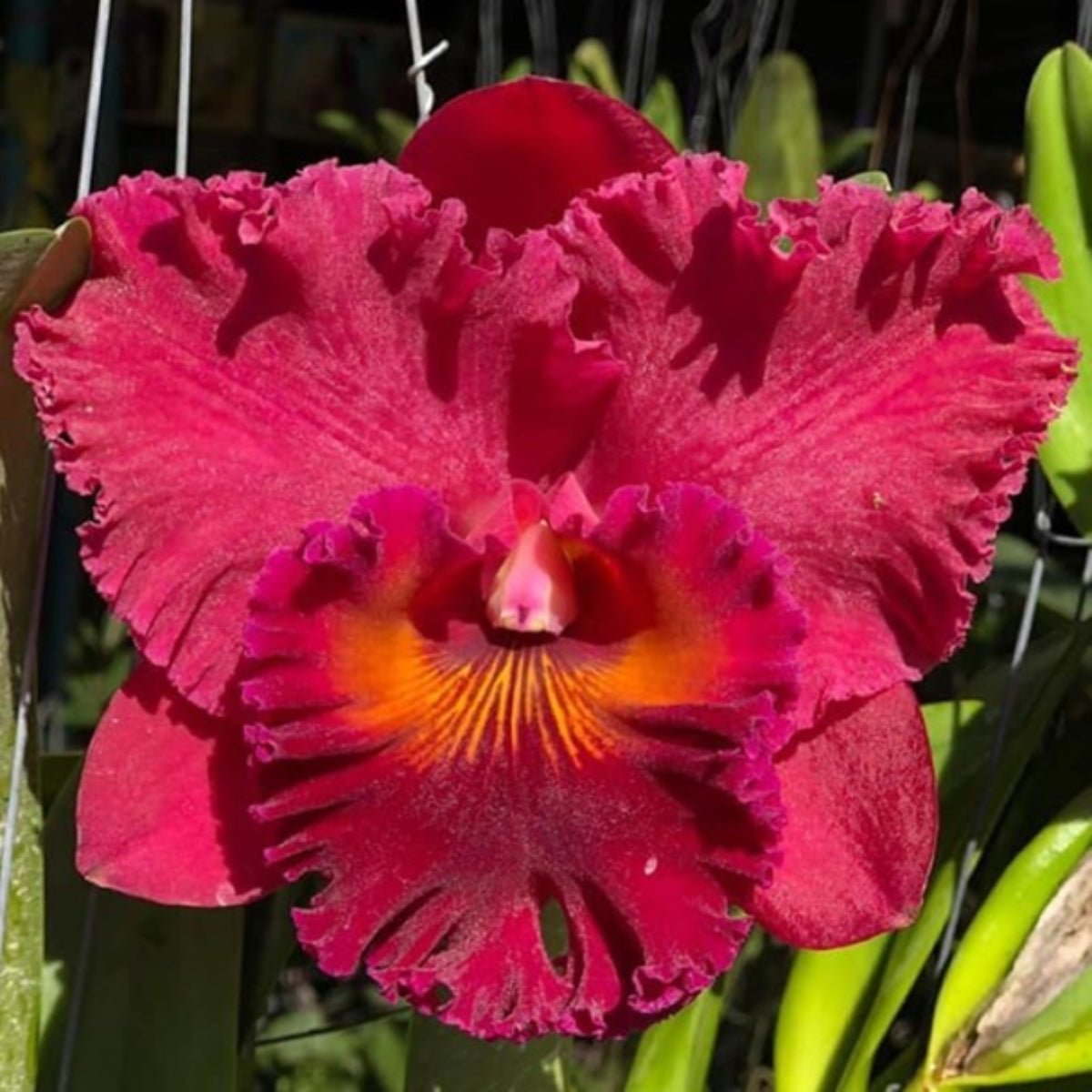
This impressive Cattleya hybrid produces large, rounded flowers in deep raspberry-red to magenta tones. The broad petals have heavily ruffled margins, while the full maroon-red lip features a glowing red-orange throat marked with fine golden-yellow lines.
Rlc. Subprasert is a registered hybrid produced from Rlc. Sanyung Ruby × Rlc. Boonyarit Sunset. ‘No. 1’ is a selected clone valued for its intense colour, broad petals, full flower form and deeply ruffled edges.
This plant is supplied as a mericlone, providing greater consistency in growth and mature flower characteristics than seed-grown orchids.
Flower Characteristics
- Large, richly coloured flowers
- Deep raspberry-red to magenta petals and sepals
- Broad, rounded petals
- Heavily ruffled petal margins
- Large maroon-red lip
- Glowing red-orange throat
- Fine golden-yellow throat markings
- Full, rounded Cattleya-style flower form
- Excellent display variety for collectors
Size Options
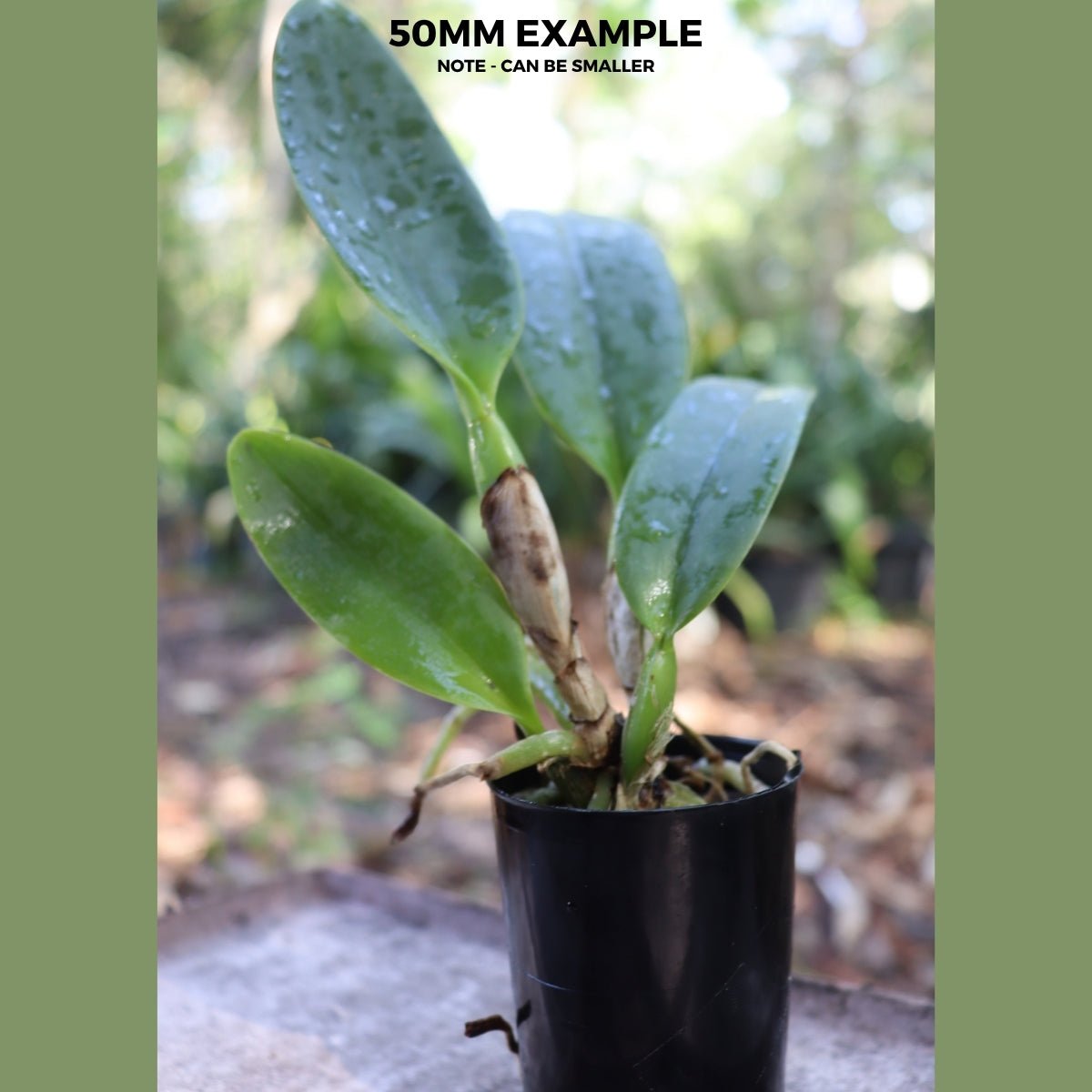
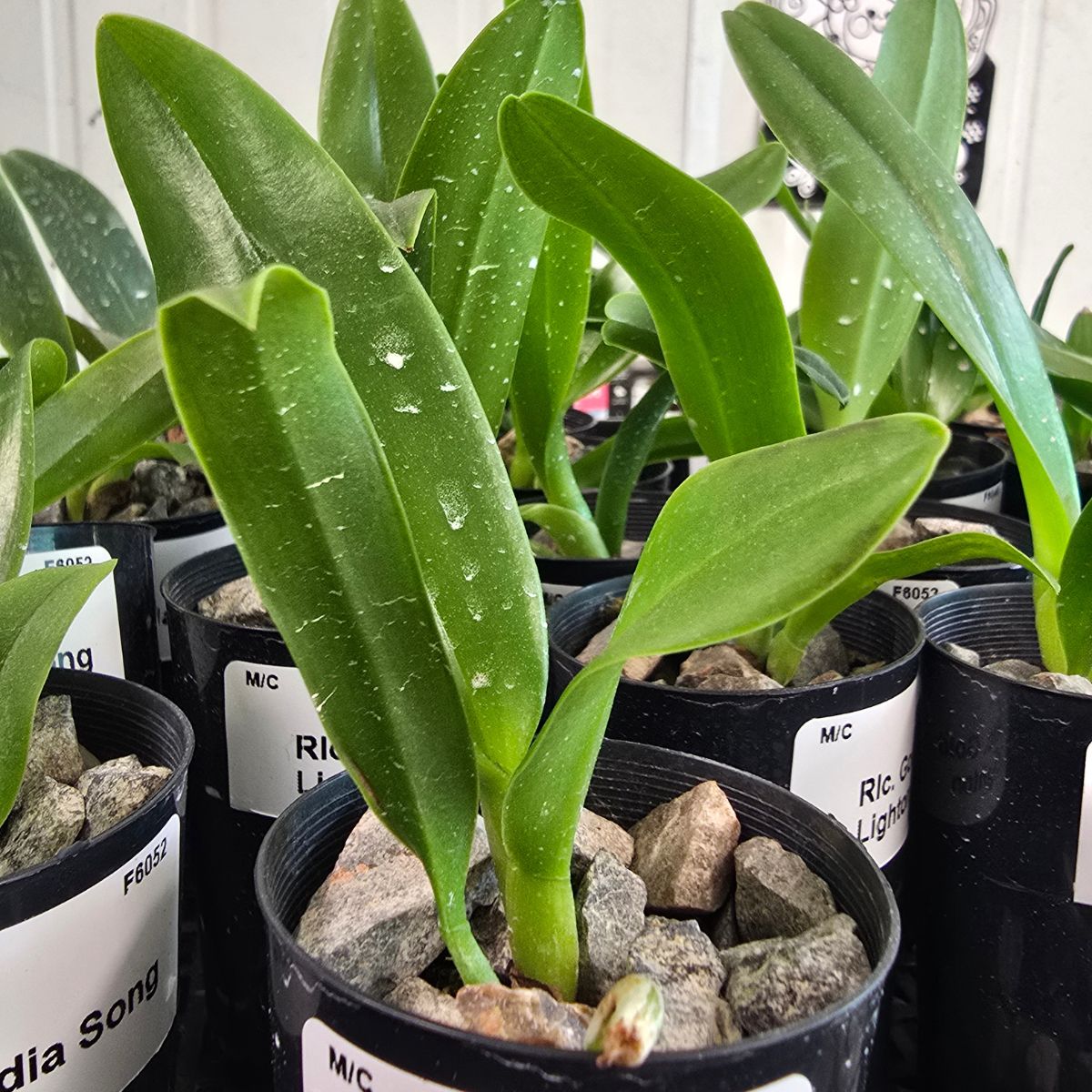
50mm Pot
Supplied as one young, established mericlone in a 50mm nursery pot.
Plants supplied in 50mm pots are not flowering size and require further time to grow and develop. Plant size, leaf number and root development will vary naturally.
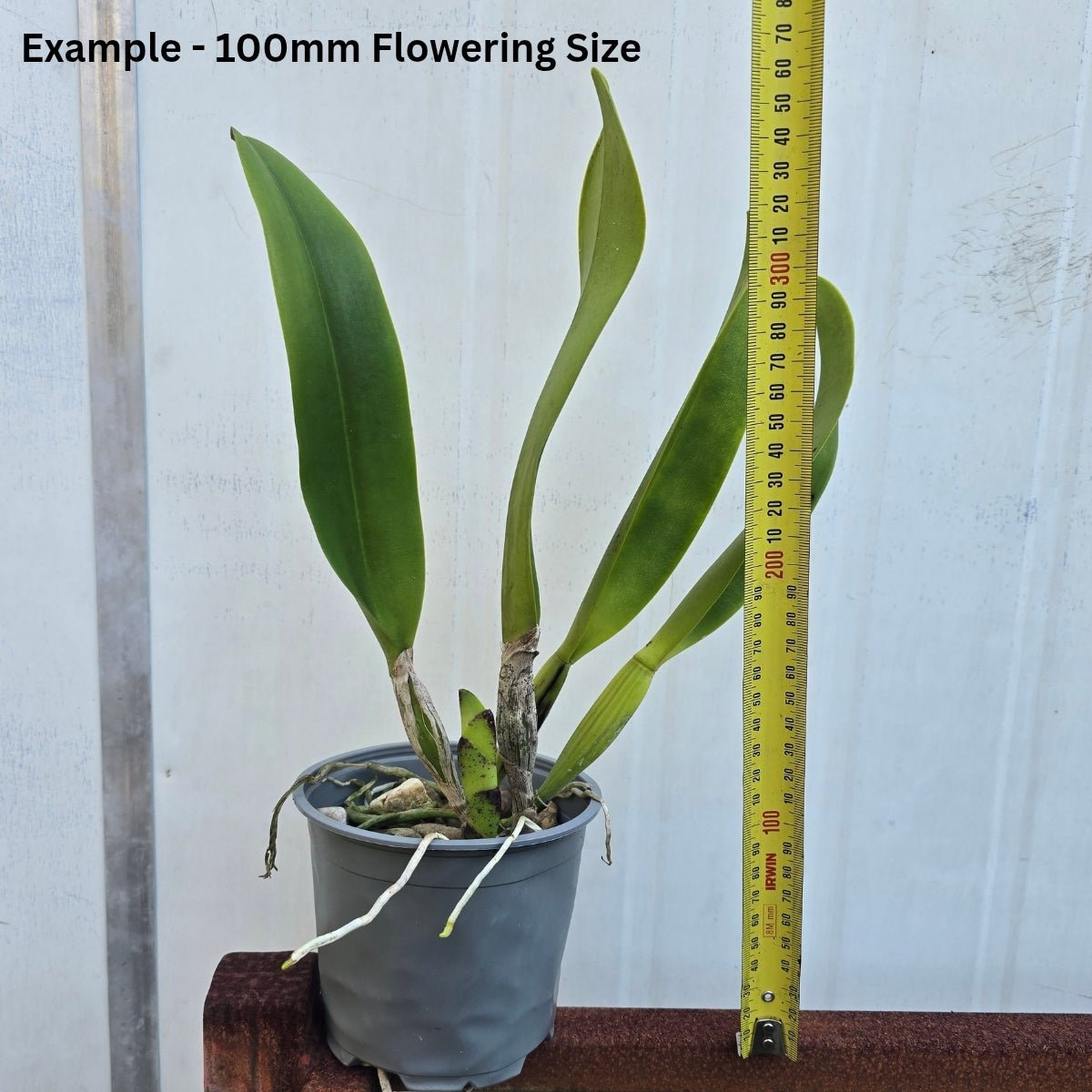
100mm Pot – Flowering Size, Bare-Rooted
Where available, the 100mm option is a larger, more developed flowering-size plant. It is suitable for customers wanting a more advanced orchid without the additional growing time required by the younger 50mm option.
The plant is grown in a 100mm nursery pot and supplied bare-rooted, with the original pot and growing medium removed before dispatch. The 100mm measurement refers to the nursery pot in which the plant was grown—not its overall height or width.
Plant size, pseudobulb number, leaf growth and root development will vary naturally.
Key Features
- Named Rlc. Subprasert ‘No. 1’ mericlone
- Large raspberry-red to magenta flowers
- Broad, rounded petals
- Heavily ruffled flower edges
- Deep maroon-red lip
- Red-orange throat with golden-yellow markings
- Full Cattleya-style flower form
- Strong collector appeal
- Available in different sizes when shown in the selector
- Suitable for orchid pots and baskets
- Can be mounted with appropriate care
- Ideal for greenhouses and shade houses
- Suitable for protected patios and verandahs
- Can be grown indoors with sufficient bright, filtered light
- Prefers warm, protected and frost-free conditions
Suitable Uses
- Cattleya collections
- Red and magenta orchid collections
- Collector orchid displays
- Orchid houses and shade houses
- Greenhouses
- Protected patios and verandahs
- Bright indoor growing positions
- Tropical and subtropical displays
- Orchid pots and baskets
- Mounted orchid displays
- Living gifts for orchid enthusiasts
Potting the Bare-Root 100mm Plant
Unpack the bare-root plant promptly after delivery and pot it into a clean, appropriately sized orchid pot.
Use a medium-grade, free-draining Cattleya orchid mix. Position the oldest growth towards the edge of the pot, leaving room for new growth to develop across the remaining space.
Keep the rhizome and bases of the pseudobulbs at or slightly above the surface of the growing medium. Do not bury them deeply.
Secure the plant firmly so it does not move while new roots establish. Water after potting and allow the container to drain completely.
Care Instructions
Light
Grow Rlc. Subprasert ‘No. 1’ in bright, filtered light.
Cattleyas generally require more light than many common indoor orchids, but they should be protected from harsh direct afternoon sun.
Suitable positions include:
- A bright window with filtered light
- A covered patio or verandah
- A well-ventilated shade house
- A suitably shaded greenhouse
- A protected outdoor position in a frost-free climate
Healthy foliage is generally medium green. Very dark green foliage may indicate insufficient light, while yellowing, bleaching or scorched patches may indicate excessive direct sun.
Watering
Water thoroughly and allow the orchid mix to approach dryness before watering again.
This orchid prefers a wet-and-dry watering cycle and should not remain constantly wet. Empty saucers and decorative pots after watering so the roots are not left sitting in water.
Watering frequency will depend on:
- Plant and pot size
- Temperature
- Season
- Humidity
- Air circulation
- Type of orchid mix
Young plants in 50mm pots can dry more quickly than larger orchids. Check the growing medium regularly during warm or windy weather.
Reduce watering during cooler periods when active growth slows, but do not allow the pseudobulbs to become severely shrivelled.
Humidity and Airflow
Provide moderate to high humidity combined with good air circulation.
Avoid stagnant or continually damp conditions, particularly during cooler weather. Air movement helps the leaves and roots dry properly after watering.
Potting Mix
Use a free-draining orchid medium that allows plenty of air to circulate around the roots.
A fine-to-medium orchid bark mix is generally suitable for a young 50mm plant. A medium-grade Cattleya mix may be used for a larger 100mm plant.
The ideal grade will depend on your climate and watering habits. Avoid ordinary garden soil or dense potting mixes that remain wet for extended periods.
Temperature and Climate
Rlc. Subprasert ‘No. 1’ prefers warm, protected and frost-free conditions.
It is well suited to tropical and subtropical climates when grown under filtered light with good airflow. In warm-temperate climates, protect the plant from frost and cold winter weather.
In cooler regions, grow it indoors beside a bright window or provide protection in a greenhouse or enclosed orchid-growing area.
Protect the plant from:
- Frost
- Cold draughts
- Extreme heat
- Harsh exposed positions
- Sudden temperature changes
Feeding
Apply a suitable orchid fertiliser at a light rate during active root, leaf and pseudobulb growth.
Follow the fertiliser label directions and avoid applying concentrated fertiliser to dry or damaged roots. Reduce feeding during cooler periods or whenever active growth slows.
Repotting
Repot when the orchid has outgrown its container or when the growing medium begins to break down.
The best time to repot is generally when fresh roots are beginning to emerge. Choose a pot that provides enough room for the next few growths without leaving excessive wet growing medium around the roots.
Cattleyas generally perform best when fitted reasonably snugly into their pots.
Mounting
Rlc. Subprasert ‘No. 1’ may also be grown on cork bark, hardwood or another suitable orchid mount.
Mounted plants dry more quickly and require more frequent watering. This method is best suited to growers who can provide regular moisture, suitable humidity and good airflow.
Product Details
Botanical Name: Rhyncholaeliocattleya Subprasert ‘No. 1’
Abbreviation: Rlc. Subprasert ‘No. 1’
Common Name: Subprasert No. 1 Cattleya Orchid
Family: Orchidaceae
Parentage: Rlc. Sanyung Ruby × Rlc. Boonyarit Sunset
Product Type: Live orchid plant
Propagation Type: Mericlone
Available Sizes: Select from the available product options
50mm Supply Format: Supplied in a 50mm nursery pot
100mm Supply Format: Flowering-size plant supplied bare-rooted from a 100mm nursery pot
Flower Colour: Raspberry red, magenta and maroon with a red-orange throat
Flower Form: Large and rounded with broad petals and heavily ruffled edges
Growth Habit: Sympodial orchid with pseudobulbs
Light: Bright, filtered light
Watering: Water thoroughly, then allow the medium to approach dryness
Growing Medium: Free-draining orchid bark mix
Humidity: Moderate to high humidity with good airflow
Climate: Tropical, subtropical and protected warm-temperate conditions
Frost Tolerance: Frost sensitive
End Use: Orchid collections, patios, shade houses, greenhouses and bright indoor positions
FAQ
What colour are Rlc. Subprasert ‘No. 1’ flowers?
The flowers are deep raspberry red to magenta with a darker maroon-red lip. The throat features glowing red-orange colouring and fine golden-yellow lines.
What is the parentage of Rlc. Subprasert?
Rlc. Subprasert was produced from Rlc. Sanyung Ruby × Rlc. Boonyarit Sunset.
What sizes are available?
Available sizes are shown in the product selector. Options may include a young plant in a 50mm pot and a larger flowering-size plant grown in a 100mm pot.
What is the difference between the 50mm and 100mm options?
The 50mm option is a young plant that requires further time to grow and develop. The 100mm option is a larger, more developed flowering-size plant.
How are the plants supplied?
The 50mm option is supplied in its nursery pot. Where available, the 100mm flowering-size option is removed from its nursery pot and supplied bare-rooted.
What does mericlone mean?
A mericlone is propagated from selected plant material rather than grown from seed. This provides greater consistency in growth and mature flower characteristics, although minor natural variation can still occur.
Can this orchid be grown indoors?
Yes, provided it receives plenty of bright, filtered light and good airflow. A dim indoor position is unlikely to provide suitable long-term growing conditions.
What potting mix should I use?
Use a free-draining orchid bark mix that allows air to circulate around the roots. Avoid ordinary garden soil and dense potting media that remain wet.