


Gardenia ‘Professor Pucci’ – Fragrant Double White Flowers – 42mm Tube
- Regular price
-
$4.65 - Regular price
-
- Sale price
-
$4.65
Couldn't load pickup availability
Shipping information & Pickup
Shipped from Wardell, NSW. Shipping is calculated at checkout by weight, cubic weight and location.
Standard delivery is usually 2–8 business days. WA, NT and TAS may take 14–30 business days due to biosecurity inspection.
Free Local Pickup: Enter 1335 Wardell Road, Wardell NSW 2477 as the delivery address at checkout to display this option. Free delivery is available within 2 km. Travelling through or need something urgently? Contact us first, as some items may need to be ordered in.
Returns
If you aren't happy with your order. we accept returns.

Description
Gardenia ‘Professor Pucci’ is an evergreen shrub prized for its large, highly fragrant, double creamy-white flowers and glossy dark-green foliage.
Flowering predominantly from late spring through summer, with blooms sometimes continuing into autumn in warm climates, it brings rich perfume and year-round greenery to garden beds, entrances, courtyards and outdoor entertaining areas.
Its naturally rounded growth can be maintained as a feature shrub, informal fragrant hedge or large container plant.
Supplied in a 42mm Tube
This product is supplied as a young live plant growing in a 42mm nursery tube measuring approximately 80mm high.
The tube measurement refers to the nursery container—not the plant’s overall height. Plant size, leaf number and root development will vary naturally.
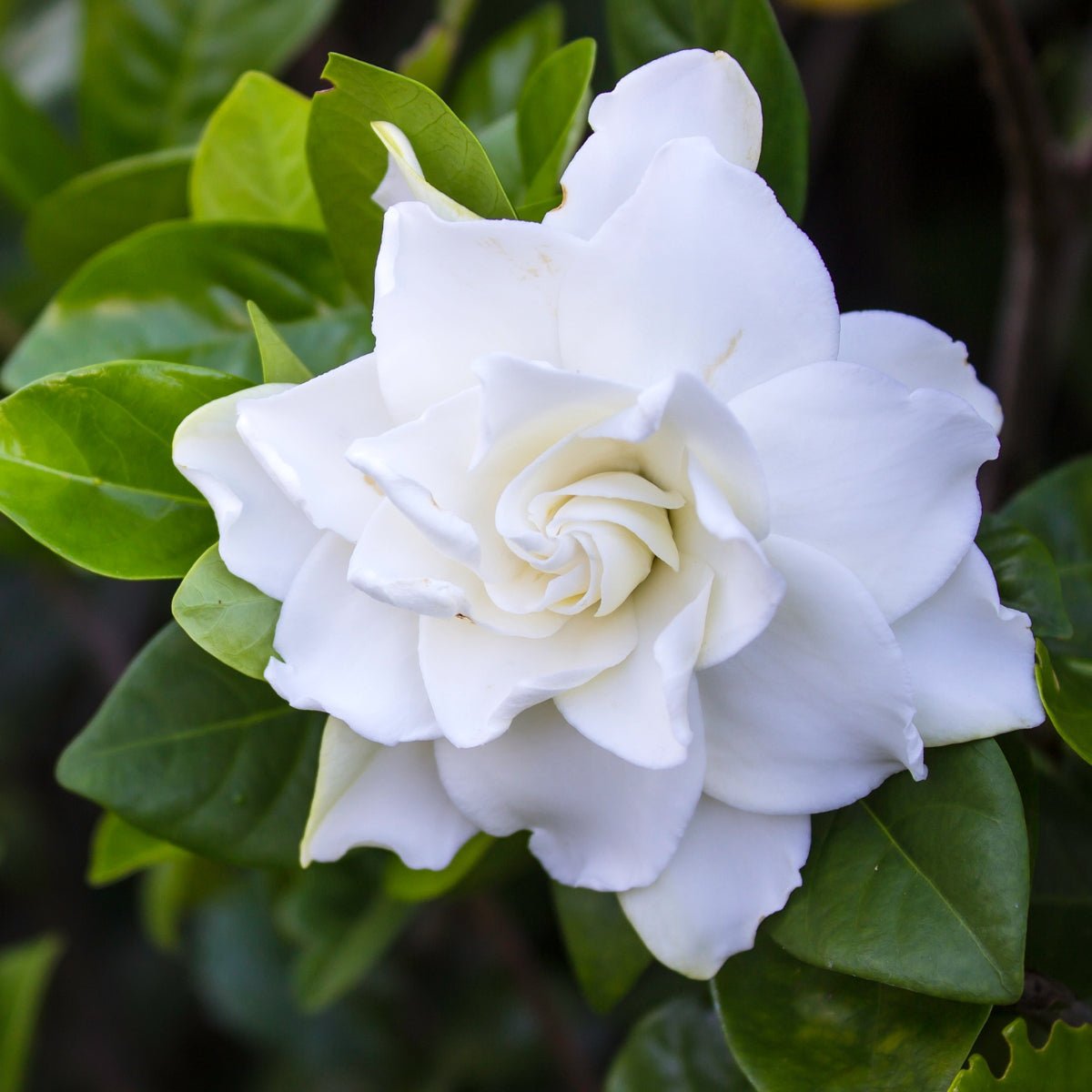
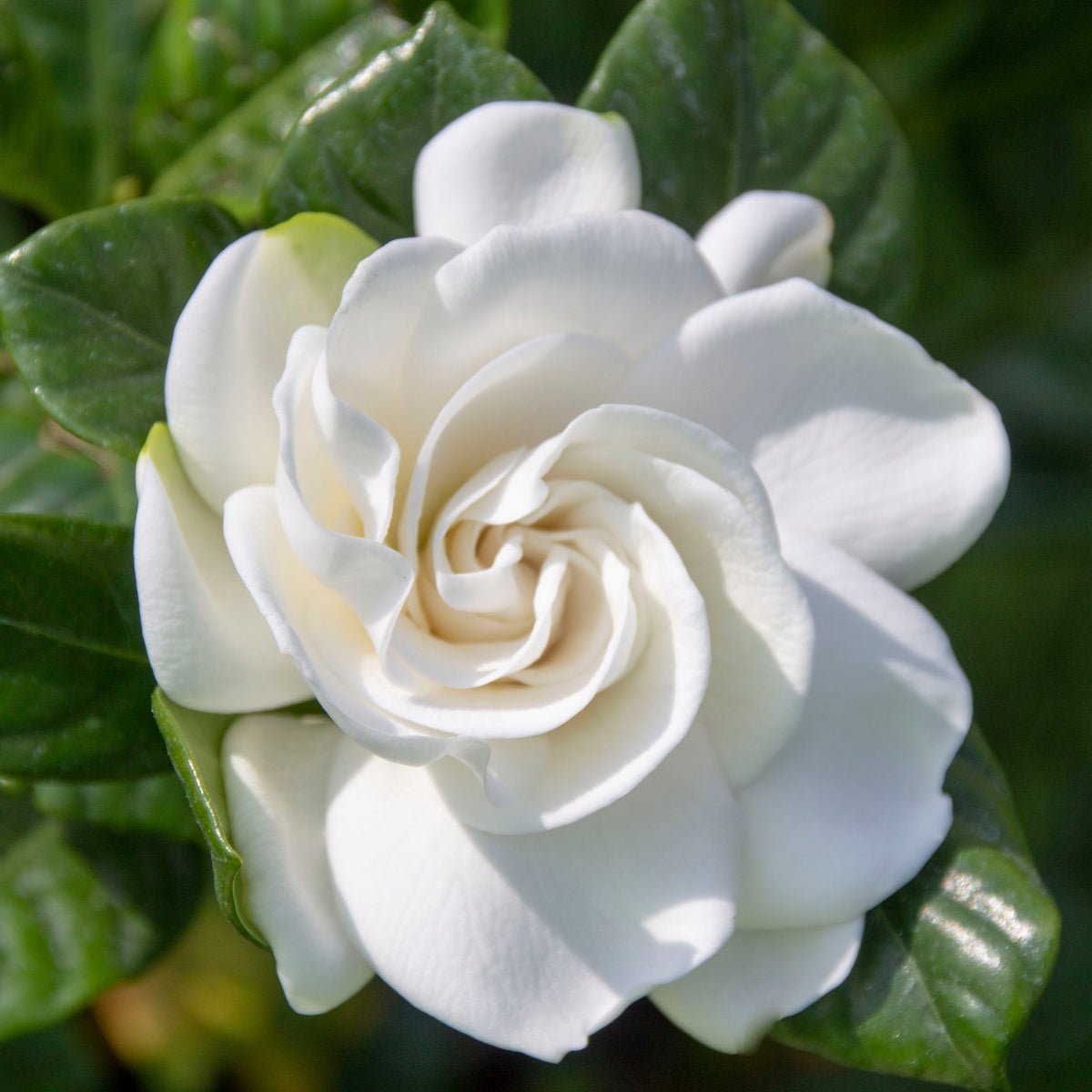
The photographs show examples of mature flowering plants. The plant supplied may not be flowering when dispatched.
Flower Characteristics
- Large, double flowers
- Creamy-white to milky-white colouring
- Flowers may develop warmer cream tones as they age
- Strong, sweet gardenia fragrance
- Main flowering period from late spring through summer
- Flowering may extend into autumn in warm climates
- Excellent for planting near paths, entrances and entertaining areas
- Suitable for cutting and small floral arrangements
Flowering time and abundance will vary with climate, plant maturity, sunlight, nutrition and care.
Key Features
- Highly fragrant evergreen shrub
- Glossy dark-green foliage
- Large double creamy-white flowers
- Rounded, bushy growth habit
- Suitable for informal hedging and feature planting
- Performs well in large containers
- Prefers acidic, organic-rich soil
- Best in warm, sheltered conditions
- Responds well to light pruning after flowering
Suitable Uses
- Feature shrub
- Fragrant garden beds
- Informal low hedges
- Courtyards and patios
- Entrances and pathways
- Outdoor entertaining areas
- Cottage gardens
- Tropical and subtropical gardens
- Large decorative containers
- Cut flowers
Mature Size
- Height: Approximately 1.2–1.5m
- Width: Approximately 1–1.2m
Final size will depend on climate, soil, pruning and growing conditions.
For hedging, space plants approximately 80cm to 1m apart, depending on the desired density and available growing space.
Position
Plant in a warm, sheltered position with morning sun, filtered light or part shade.
In mild climates, it can tolerate more direct sunlight. In hot regions, protection from harsh afternoon sun will help prevent leaf scorch, heat stress and rapid moisture loss.
Protect young plants from frost and strong, drying winds.
Soil Requirements
Gardenias grow best in:
- Slightly acidic soil
- Fertile soil containing organic matter
- Moist but freely draining conditions
- Mulched garden beds with a cool root zone
Avoid alkaline soils and permanently waterlogged positions. When growing in a container, use a quality potting mix suitable for gardenias, azaleas or camellias.
Planting Guide
- Water the plant before removing it from its tube.
- Prepare a hole slightly wider than the root ball.
- Carefully remove the plant without excessively disturbing its roots.
- Plant at the same depth at which it was growing in the tube.
- Backfill gently and firm the surrounding soil.
- Water thoroughly after planting.
- Apply organic mulch while keeping it clear of the stem.
Watering and Feeding
Water regularly while the plant establishes, keeping the soil consistently moist without allowing it to become waterlogged.
Established plants still benefit from deep watering during flowering and prolonged dry weather. Container-grown plants will require more frequent watering.
Apply a fertiliser formulated for gardenias, azaleas or other acid-loving plants during the active growing season. Always follow the application rate printed on the fertiliser packaging.
Pruning
Lightly prune after the main flowering period to maintain a dense, rounded shape. Avoid severe pruning unless rejuvenation is required, as excessive pruning can reduce the following flowering display.
Remove yellowing leaves, dead growth and spent flowers as needed.
Pest Management
Gardenias may occasionally attract scale, aphids, mealybugs, whitefly or other sap-sucking insects.
If treatment is required, use a registered horticultural oil such as Eco-Oil strictly according to its label directions. Avoid spraying during extreme heat or when the plant is moisture-stressed.
Live Plant Notice
Plant size, shape, foliage density and root development will vary naturally. Plants may be trimmed before dispatch and may not be flowering when supplied.
Seasonal leaf yellowing, minor blemishes and small differences between plants are normal for live nursery stock.
Frequently Asked Questions
How large does Gardenia ‘Professor Pucci’ grow?
It generally reaches approximately 1.2–1.5m tall and 1–1.2m wide, depending on climate, pruning and care.
When does it flower?
The main flowering period is from late spring through summer. Flowering may continue into autumn in warm, favourable conditions.
Are the flowers strongly scented?
Yes. ‘Professor Pucci’ is known for its highly fragrant double flowers. The perfume is often most noticeable during calm mornings and evenings.
Can it be planted in full sun?
It can tolerate full sun in mild climates, but morning sun or filtered light with protection from harsh afternoon heat is preferable in warmer regions.
Can it be grown as a hedge?
Yes. It is suitable for an informal fragrant hedge approximately 1.2–1.5m tall. Light pruning will help encourage dense growth.
Can it be grown in a pot?
Yes. Use a large container with drainage holes and a quality potting mix formulated for acid-loving plants. Regular watering and feeding will be required.
Why do gardenia leaves turn yellow?
Yellowing may be associated with alkaline soil, nutrient deficiencies, poor drainage, excessive watering, cold conditions or natural ageing. Check the soil moisture and pH before applying additional fertiliser.
Will the supplied plant be flowering?
Not necessarily. This product is supplied as a young plant in a 42mm nursery tube. Flowering will begin once the plant reaches sufficient maturity under suitable conditions.