


Valencia Orange Tree (Citrus sinensis ‘Valencia’) | 50mm Tube
- Regular price
-
$12.95 - Regular price
-
$12.95 - Sale price
-
$12.95
Couldn't load pickup availability
-
Hurry, only 3 items left in stock!
Shipping information & Pickup
Shipped from Wardell, NSW. Shipping is calculated at checkout by weight, cubic weight and location.
Standard delivery is usually 2–8 business days. WA, NT and TAS may take 14–30 business days due to biosecurity inspection.
Free Local Pickup: Enter 1335 Wardell Road, Wardell NSW 2477 as the delivery address at checkout to display this option. Free delivery is available within 2 km. Travelling through or need something urgently? Contact us first, as some items may need to be ordered in.
Returns
If you aren't happy with your order. we accept returns.

Description
Grow one of Australia’s best-known juicing oranges with the Valencia Orange.
Valencia is valued for its sweet, juicy flesh and excellent juice quality. The rounded fruit develops an orange rind when mature and can be eaten fresh, squeezed for juice or used in cooking, drinks, preserves and desserts.
This evergreen citrus tree also provides glossy green foliage and fragrant white flowers, making it both productive and ornamental. Valencia is generally considered a late-season orange, although flowering and harvest times vary according to climate, location and growing conditions.
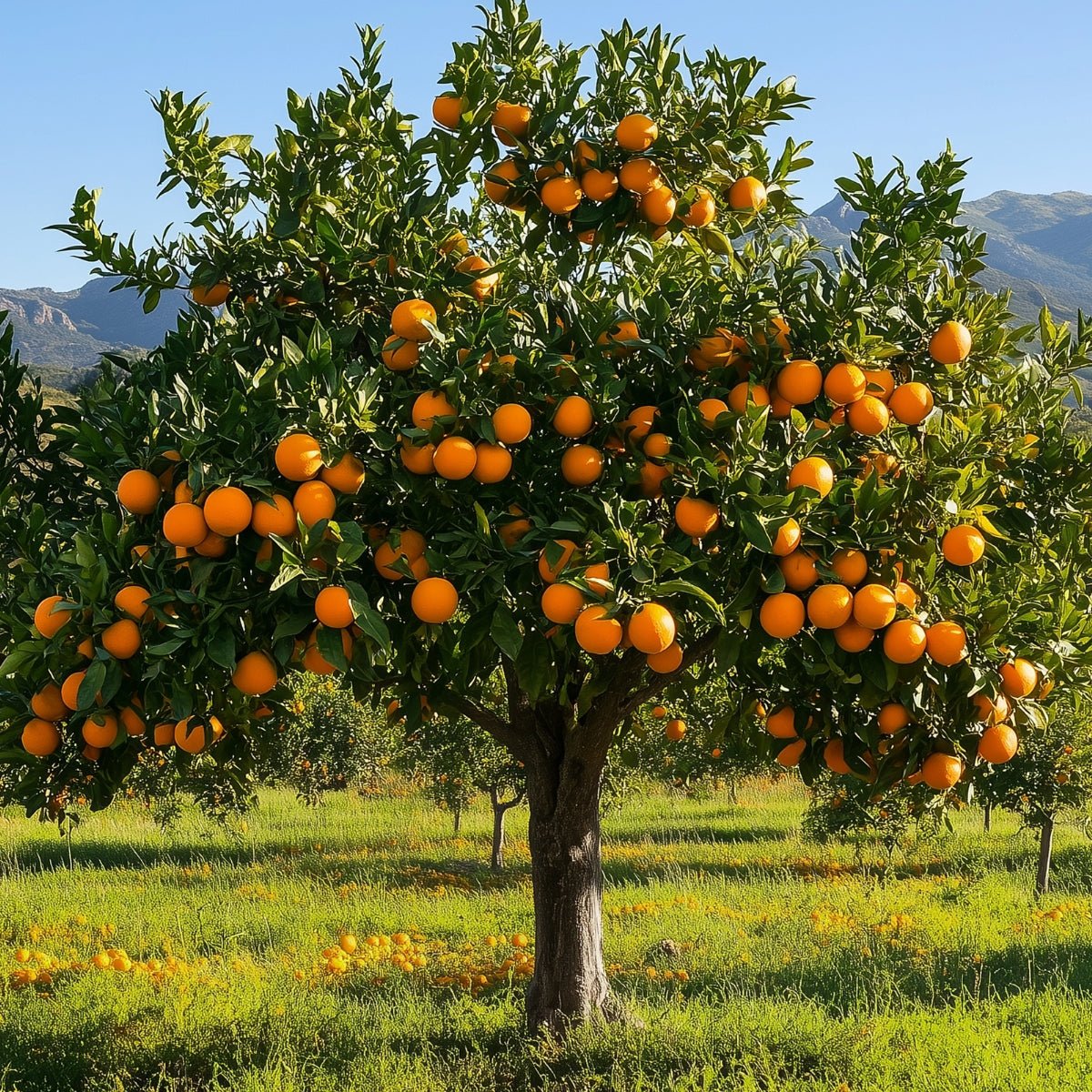
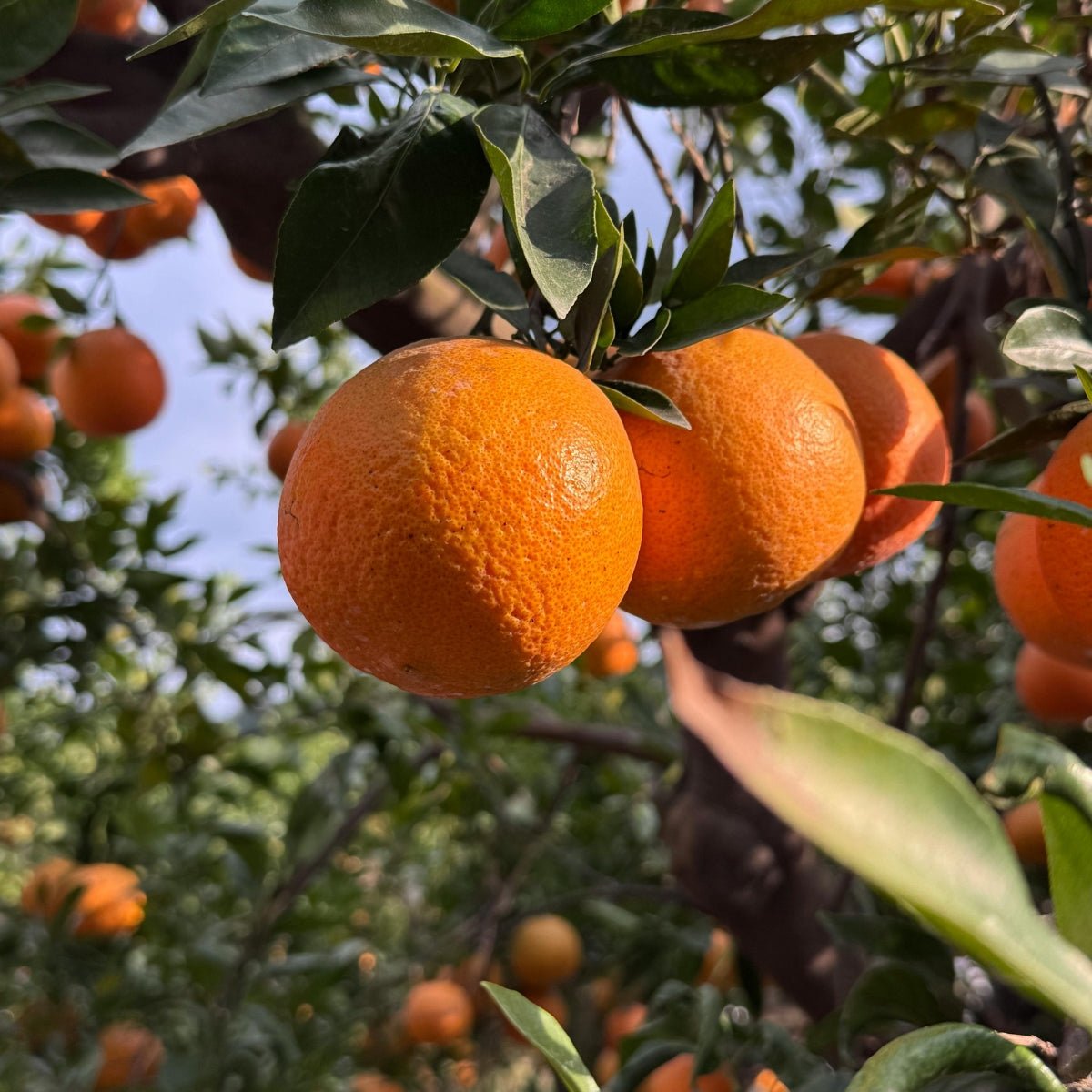
EXAMPLE IMAGE ONLY: Fruit and tree images show examples of the expected mature variety. Fruit size, rind colour, seed number, harvest time and crop quantity will vary naturally according to climate, plant maturity, pollination and care. The supplied product is a young plant in a 50mm tube—not a mature or fruit-bearing tree.
Fruit Characteristics
-
Sweet, juicy orange flesh
-
Excellent variety for fresh orange juice
-
Can also be eaten fresh
-
Rounded sweet-orange fruit
-
Orange rind when fully coloured
-
Late-season citrus variety
-
Suitable for drinks, cooking, desserts and preserves
-
Fruit size and seed number may vary
-
Harvest timing varies between climates
Supplied in a 50mm Tube
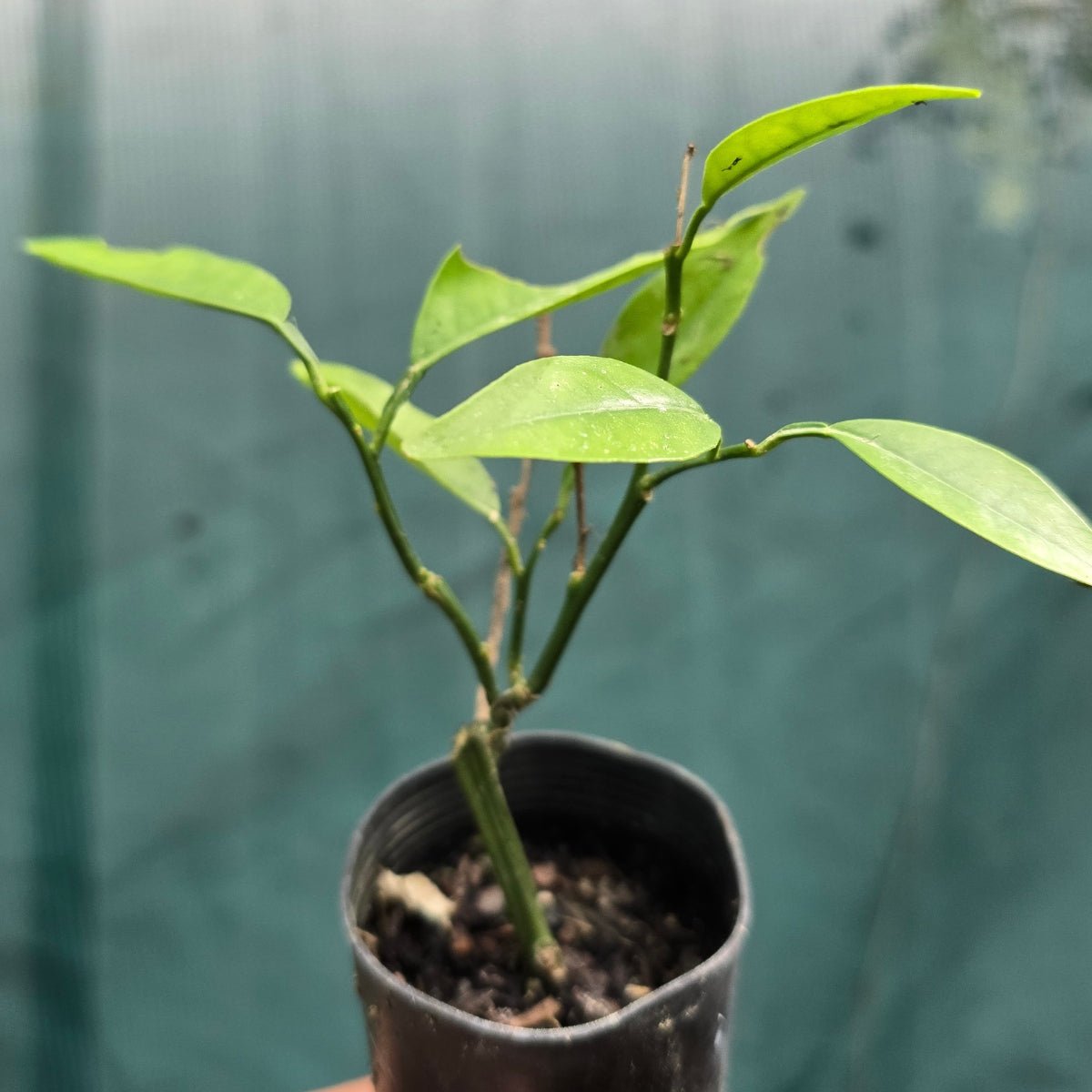
Supplied as a young Valencia Orange plant growing in a 50mm nursery tube.
The 50mm measurement refers to the width of the nursery container—not the plant’s height or canopy spread.
Plant height, stem thickness, leaf growth and root development will vary naturally. Young citrus plants require further growth and establishment before they can produce a mature fruit crop.
The plant is not supplied flowering or carrying fruit.
Key Features
-
Named Valencia sweet orange
-
One of Australia’s principal juicing oranges
-
Sweet fruit with abundant juice
-
Suitable for eating fresh and juicing
-
Fragrant white citrus flowers
-
Glossy evergreen foliage
-
Productive edible garden tree
-
Suitable for subtropical and warm-temperate gardens
-
Can be maintained in a large container
-
Supplied as a young plant in a 50mm tube
Suitable Uses
-
Home orchards
-
Edible gardens
-
Backyard fruit-tree collections
-
Citrus collections
-
Juicing oranges
-
Kitchen gardens
-
Large containers
-
Courtyards and patios
-
Subtropical gardens
-
Warm-temperate gardens
-
Mediterranean-style landscapes
Planting Instructions
Choose a sunny position with fertile, free-draining soil.
Water the plant before carefully removing it from the nursery tube. Avoid pulling the plant by its stem or unnecessarily disturbing the young root system.
Dig a hole approximately twice the width of the root ball but no deeper than its existing growing level. Position the plant with the top of the root ball level with the surrounding soil.
Backfill gently, firm the soil lightly and water thoroughly.
Apply mulch around the root zone to conserve moisture and reduce weed growth, leaving a clear space around the trunk to prevent moisture collecting against the stem.
Care Instructions
Position
Grow Valencia oranges in full sun, ideally with at least six hours of direct sunlight each day.
A warm, sheltered position encourages healthy growth, flowering and fruit development. Insufficient sunlight may result in weaker growth and reduced cropping.
Soil
Plant in fertile, free-draining soil containing organic matter.
Citrus trees do not tolerate continually waterlogged ground. Improve heavy clay soil before planting or grow the tree in a raised garden bed or suitable container.
A slightly acidic to neutral soil is generally suitable.
Watering
Water regularly while the young tree establishes.
Maintain reasonably consistent soil moisture during active growth, flowering and fruit development, but allow excess water to drain freely. Avoid allowing the root zone to remain saturated.
Container-grown citrus requires closer watering attention, particularly during hot, dry or windy weather.
Feeding
Citrus trees require regular nutrition to support foliage, flowers and fruit development.
Apply a fertiliser formulated for citrus and fruit trees during active growth, following the product directions. Divide applications throughout the growing season rather than applying an excessive amount at once.
Water thoroughly after applying granular fertiliser and avoid placing concentrated fertiliser directly against the trunk.
Mulching
Apply organic mulch around the root zone to help maintain soil moisture and moderate soil temperature.
Keep mulch several centimetres away from the trunk. Mulch resting against the stem can create continually damp conditions and contribute to collar problems.
Pruning
Valencia orange trees generally require only moderate pruning.
Remove dead, damaged, crossing or poorly positioned branches when necessary. Light pruning can also be used to control height and improve access to the fruit.
If the plant has a visible graft union, remove any shoots emerging from below the graft.
Avoid severe pruning during extremely hot weather, as suddenly exposed branches may be vulnerable to sunburn.
Temperature and Climate
Valencia oranges perform well in subtropical and warm-temperate climates.
Protect young trees from frost, cold winds and sudden temperature extremes. In cooler regions, choose a warm, sheltered position that receives plenty of sunlight.
During extreme heat, maintain adequate soil moisture and protect the shallow root zone with mulch.
Container Growing
Valencia oranges can be maintained in a large container with appropriate care and pruning.
Pot the young plant into a container only moderately larger than its current tube. Continue increasing the container size gradually as the root system develops.
Use a premium free-draining potting mix and ensure the container has generous drainage holes. Container-grown trees require regular watering and feeding.
Unless specifically stated on the plant label, a dwarfing rootstock is not guaranteed.
Pollination
Valencia orange flowers are generally self-fertile, so a second orange tree is not usually required for fruit production.
Bees and other visiting insects can assist pollination. Avoid applying insecticides while the tree is flowering unless the product is specifically approved for that use and applied according to its label directions.
Product Details
Botanical Name: Citrus sinensis ‘Valencia’
Common Name: Valencia Orange or Sweet Orange
Family: Rutaceae
Product Type: Live citrus plant
Supply Format: Young plant growing in a 50mm nursery tube
Fruit Type: Sweet orange
Fruit Colour: Orange rind with orange flesh
Fruit Flavour: Sweet and juicy
Primary Use: Juicing and fresh eating
Flower Colour: White
Foliage: Evergreen, glossy green leaves
Growth Habit: Upright, branching citrus tree
Potential Height: Commonly approximately 3–5m if unpruned; final size varies
Position: Full sun
Soil: Fertile and free-draining
Water Needs: Regular while establishing and during fruit development
Harvest Period: Late season; timing varies with climate and selection
Climate: Subtropical and warm-temperate conditions
Frost Tolerance: Young plants are frost sensitive
End Use: Home orchards, edible gardens, large containers and juicing
Important Information
-
Supplied as a young plant in a 50mm nursery tube
-
The supplied plant will not arrive carrying mature fruit
-
Plant height, leaf growth and root development will vary naturally
-
Time to flowering and fruiting depends on maturity, propagation and care
-
A particular graft or dwarfing rootstock is not guaranteed unless stated on the plant label
-
Fruit size, seed number and rind colour may vary
-
Harvest timing varies significantly between climates and locations
-
Mature size can be controlled through pruning and container culture
-
Images show examples of a mature Valencia orange tree and fruit only
-
Biosecurity restrictions may limit delivery of citrus plants to some states or regions
Frequently Asked Questions
What are Valencia oranges best used for?
Valencia oranges are particularly valued for juicing because of their sweet flavour and abundant juice. They can also be eaten fresh or used in cooking, drinks, desserts and preserves.
What size plant is supplied?
The plant is supplied growing in a 50mm nursery tube. The measurement refers to the width of the container and not the plant’s height.
Will the plant arrive with fruit?
No. This product is a young citrus plant and will require further growth and establishment before producing a mature fruit crop.
When do Valencia oranges ripen?
Valencia is generally a late-season orange. Australian fruit is commonly available during the warmer months, but home harvest timing varies according to climate, location and the particular selection.
Is Valencia a dwarf orange tree?
Not necessarily. No dwarfing rootstock is guaranteed unless specifically stated on the plant label. The tree can still be maintained at a smaller size through pruning and container growing.
Does it need another orange tree for pollination?
No. Valencia oranges are generally self-fertile and can produce fruit without another orange variety nearby. Visiting pollinating insects may help improve fruit set.
Can it be grown in a container?
Yes. Use a large container with excellent drainage and premium potting mix. Gradually increase the pot size as the young plant develops.
How large will the tree grow?
Valencia can commonly develop into a tree approximately 3–5m tall when left unpruned. Final size depends on propagation method, climate, soil, pruning and whether it is grown in the ground or a container.