





Great
Australian Everlasting Daisy Seed Bomb | Native Wildflower Mix
- Regular price
-
$18.95 - Regular price
-
$21.95 - Sale price
-
$18.95
Tax included.
Shipping calculated at checkout.
Couldn't load pickup availability
-
Hurry, only 15 items left in stock!
Shipping information & Pickup
Shipped from Wardell, NSW. Shipping is calculated at checkout by weight, cubic weight and location.
Standard delivery is usually 2–8 business days. WA, NT and TAS may take 14–30 business days due to biosecurity inspection.
Free Local Pickup: Enter 1335 Wardell Road, Wardell NSW 2477 as the delivery address at checkout to display this option. Free delivery is available within 2 km. Travelling through or need something urgently? Contact us first, as some items may need to be ordered in.
Returns
If you aren't happy with your order. we accept returns.
Description
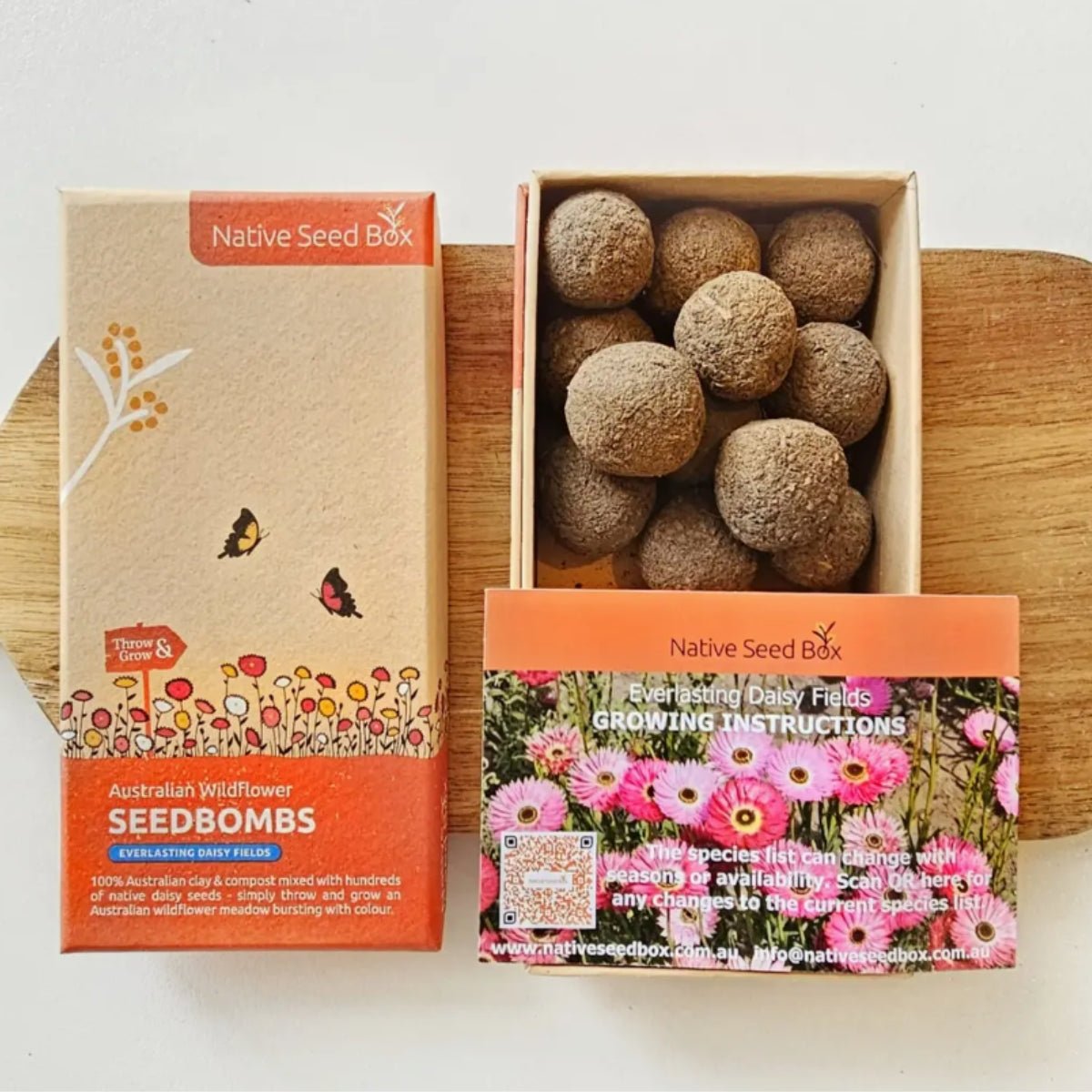
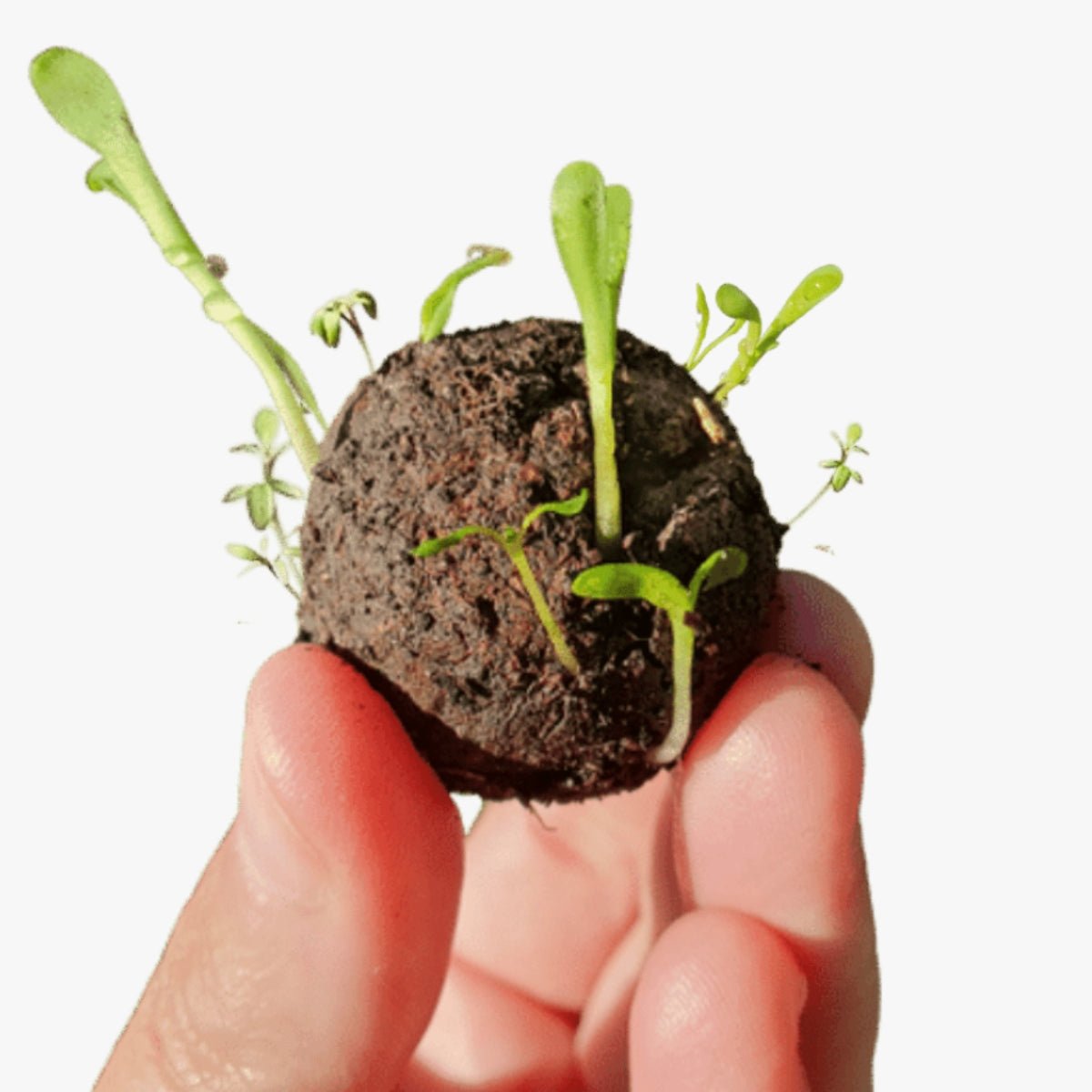
Create a colourful display of Australian everlasting daisies with this easy-to-plant native seed bomb.
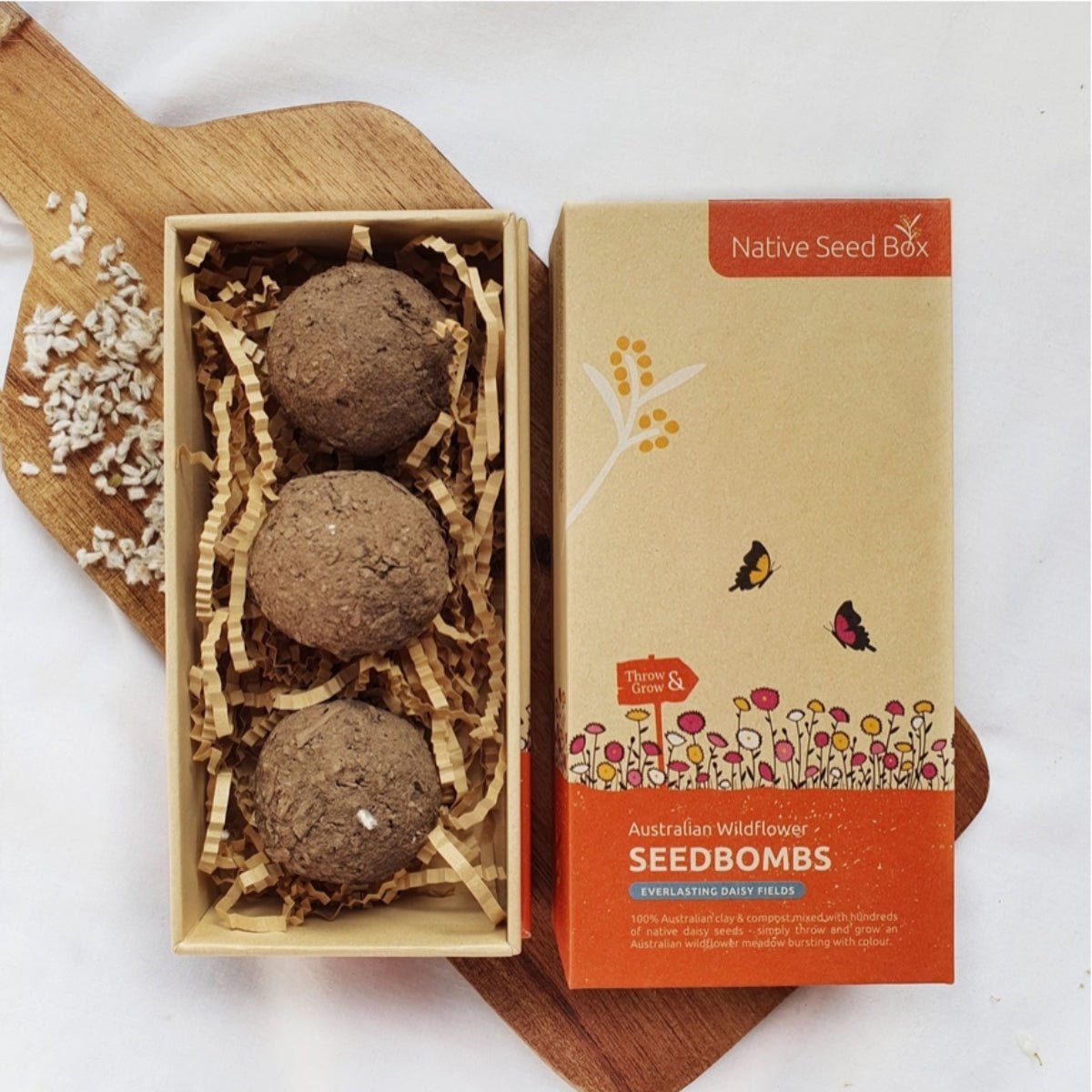
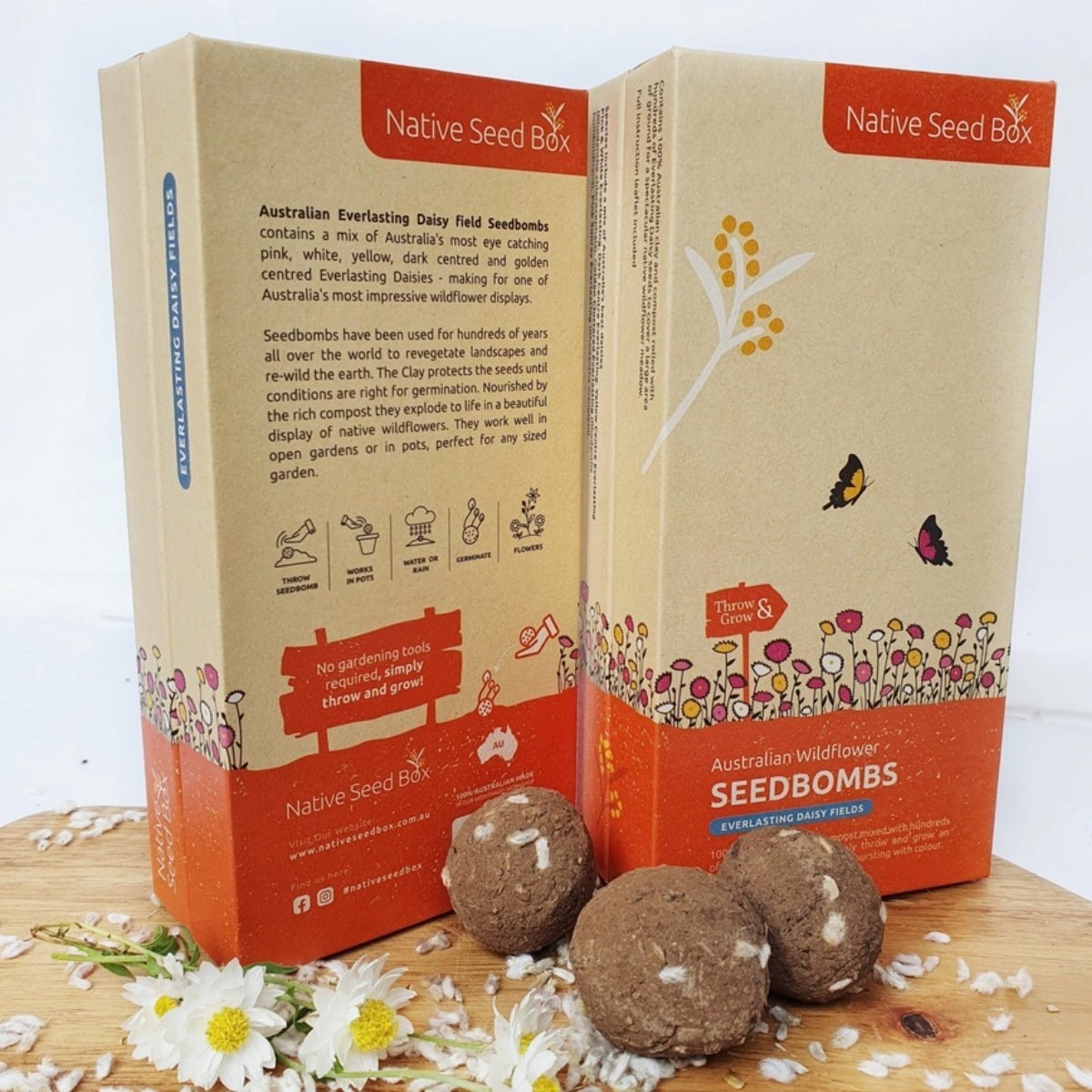
Made in Australia using Australian clay, nutrient-rich compost and hundreds of everlasting daisy seeds, it offers a simple way to establish a bright wildflower display in garden beds, raised gardens or large pots.
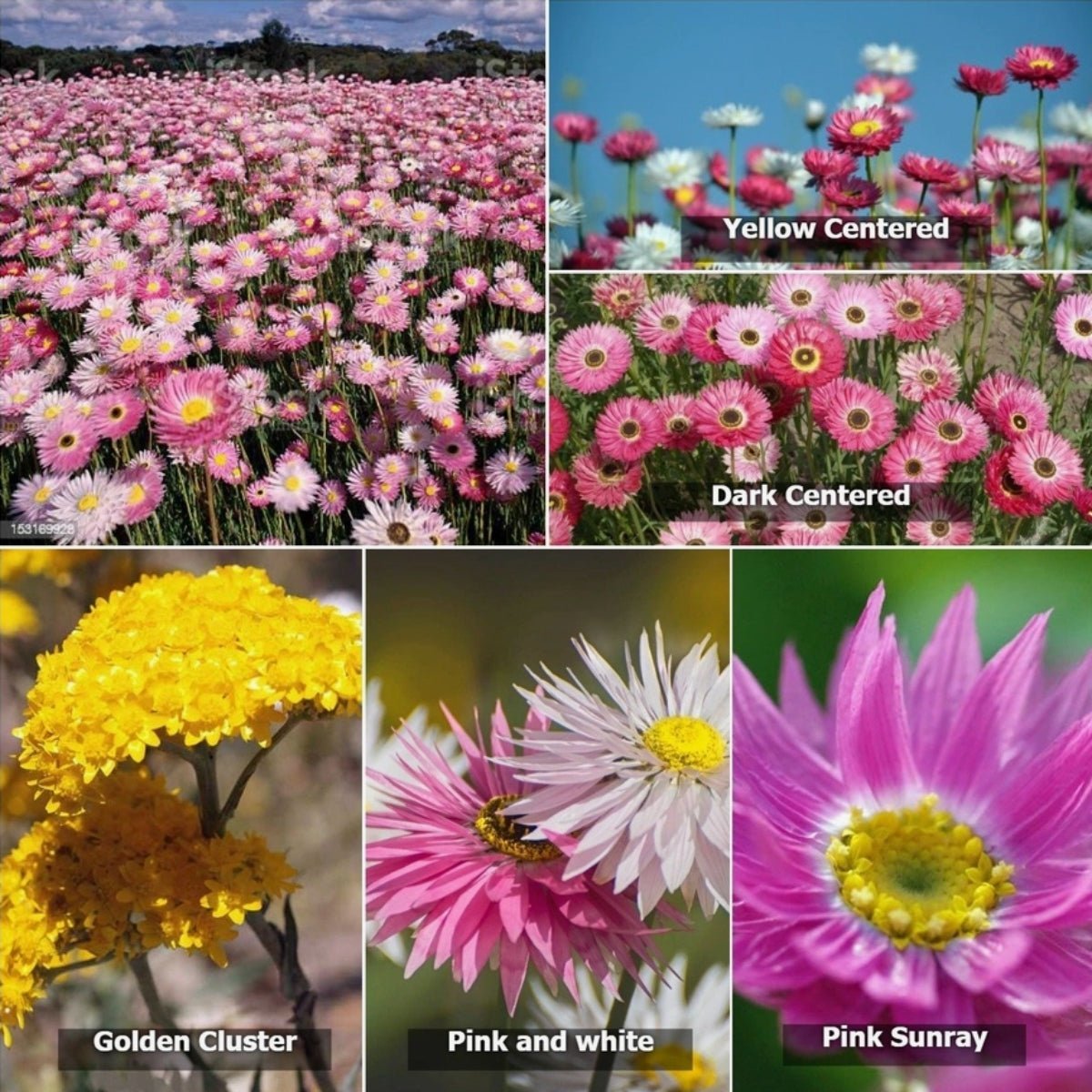
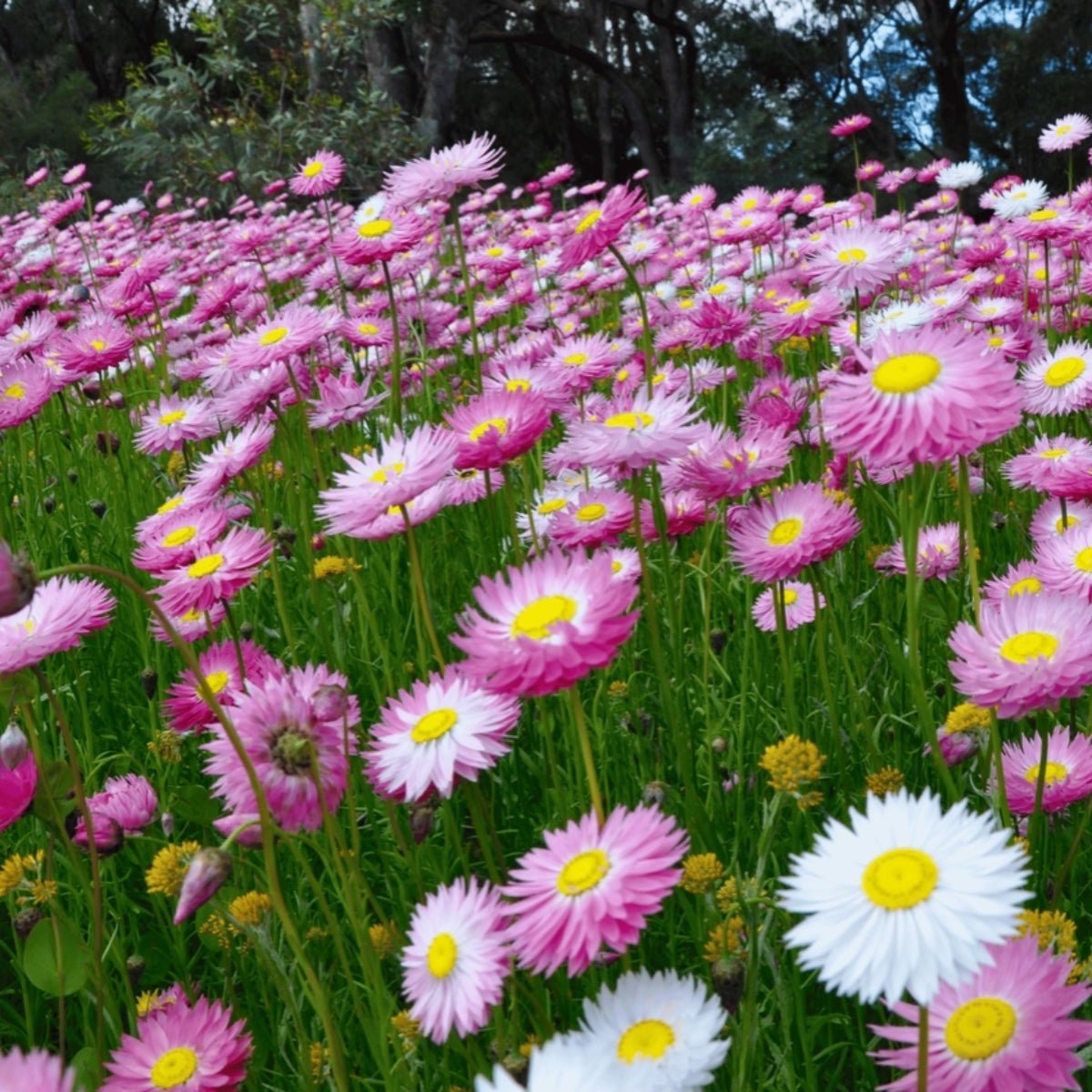
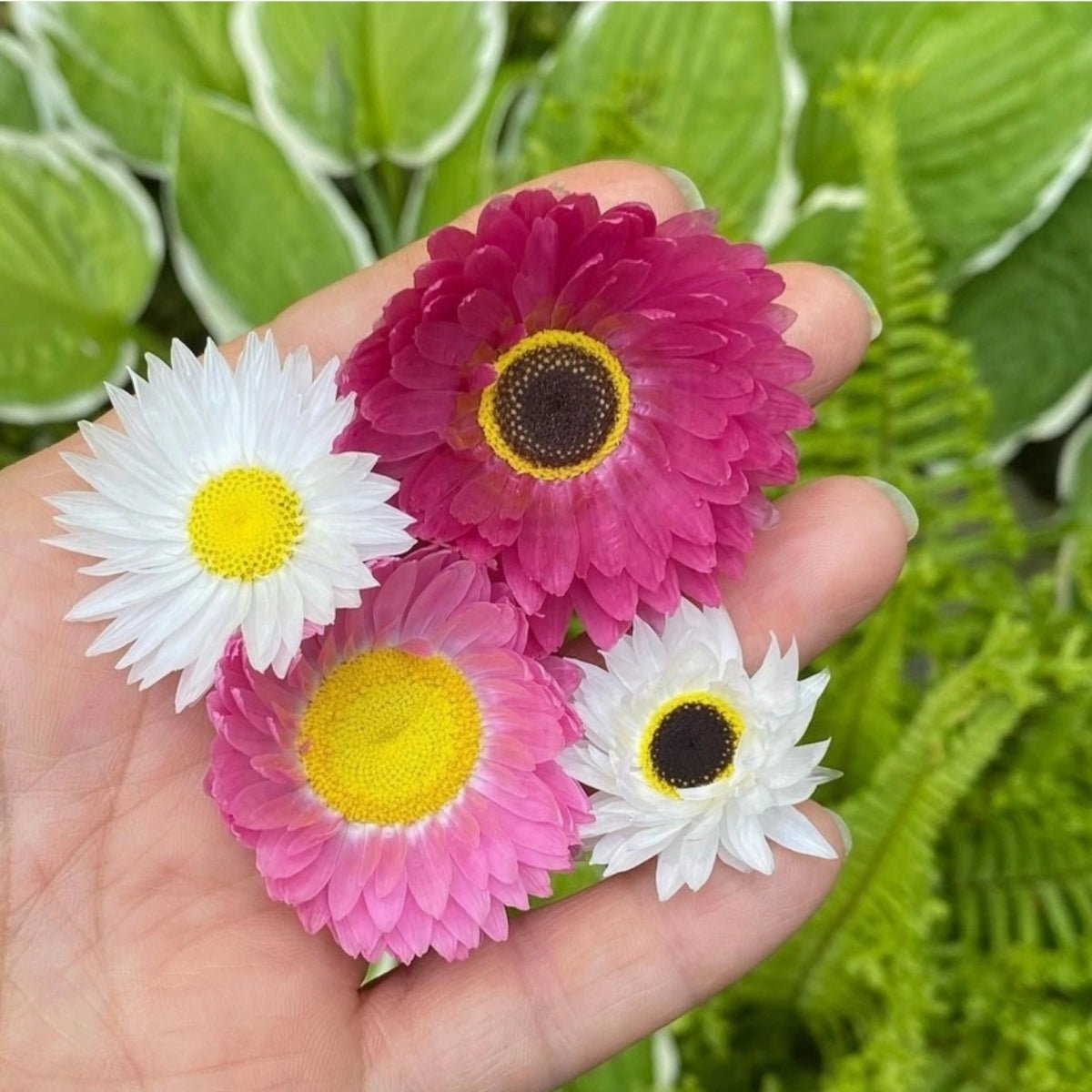
The mixed seeds may produce pink, white, yellow and golden flowers, creating a naturally varied display for native gardens, pollinator-friendly plantings, cottage gardens and Australian gardening gifts.
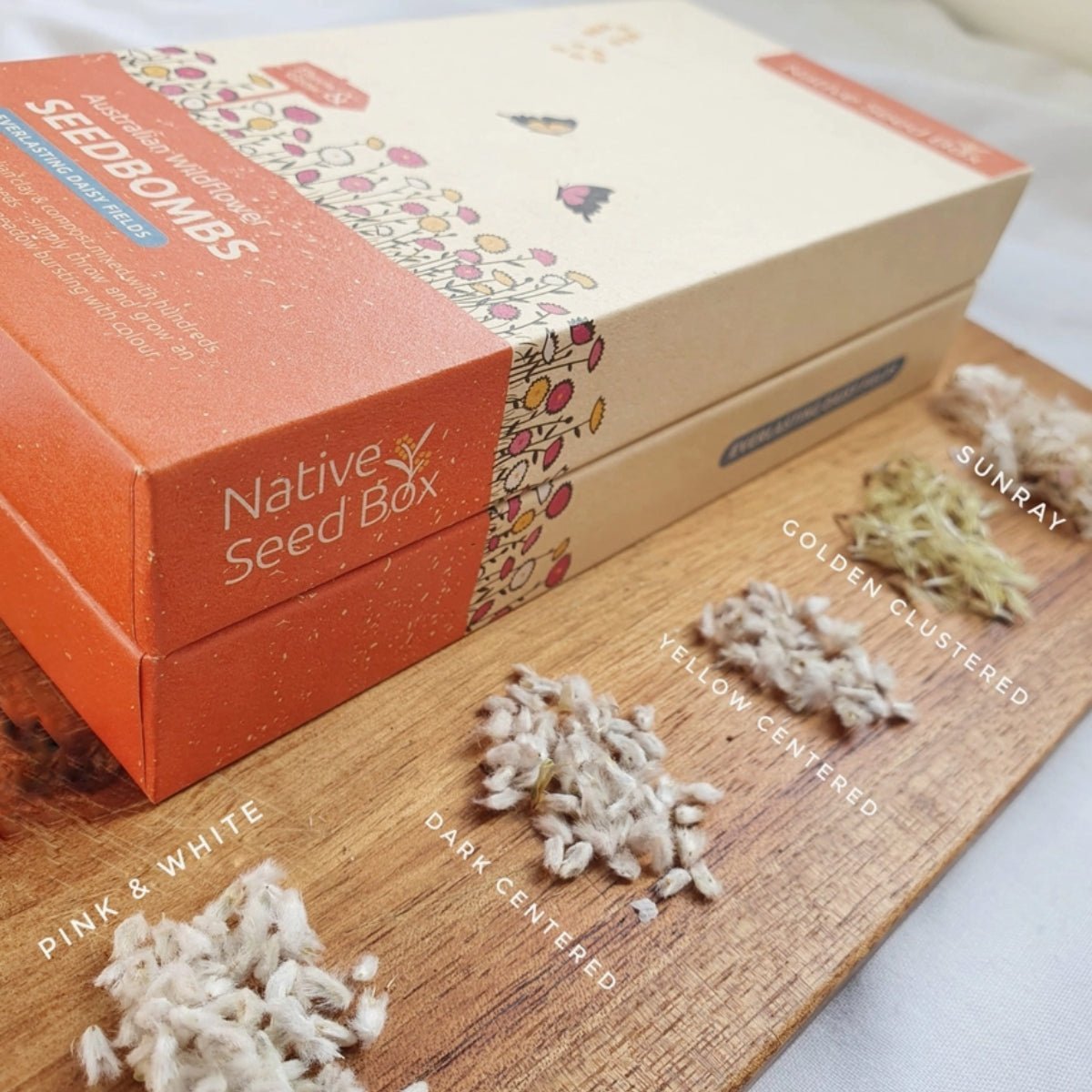
Daisy Mix May Include
- Pink and White Everlasting (Rhodanthe chlorocephala subsp. rosea)
- Dark Centre Everlasting
- Yellow Centre Everlasting (Rhodanthe chlorocephala)
- Golden Cluster Everlasting (Rhodanthe humboldtiana)
- Pink Sunray Everlasting (Rhodanthe manglesii)
The exact species, colour forms and proportions may vary according to seasonal seed availability.
Supplied as an Australian-Made Seed Bomb
Made in Australia using Australian clay, compost and a mixed selection of everlasting daisy seeds.
Seed bombs may vary naturally in size, shape, colour and surface texture. Small cracks or chips can occur during transport without affecting the seeds inside.
Each seed bomb contains hundreds of seeds; however, the number of seedlings that germinate and establish will depend on planting conditions and ongoing care.
Key Features
- Made in Australia
- Contains hundreds of everlasting daisy seeds
- Mixed Australian native daisy species
- May produce pink, white, yellow and golden flowers
- Easy to plant
- Suitable for garden beds, raised gardens and large pots
- Supports colourful native-style garden displays
- Flowers may attract bees, butterflies and other pollinators
- Suitable as an Australian gardening gift
- Exact seed mixture varies seasonally
Why Grow Everlasting Daisies?
Everlasting daisies produce distinctive papery flowers that create an impressive display when planted in groups.
Their blooms may provide pollen and nectar for native bees, butterflies and other beneficial insects visiting the garden. Many varieties are also suitable for cutting and drying.
Most everlasting daisies included in these mixtures are annuals, meaning they grow, flower and produce seed within one growing season. Flowering time and duration will depend on the species, local climate, planting time and growing conditions.
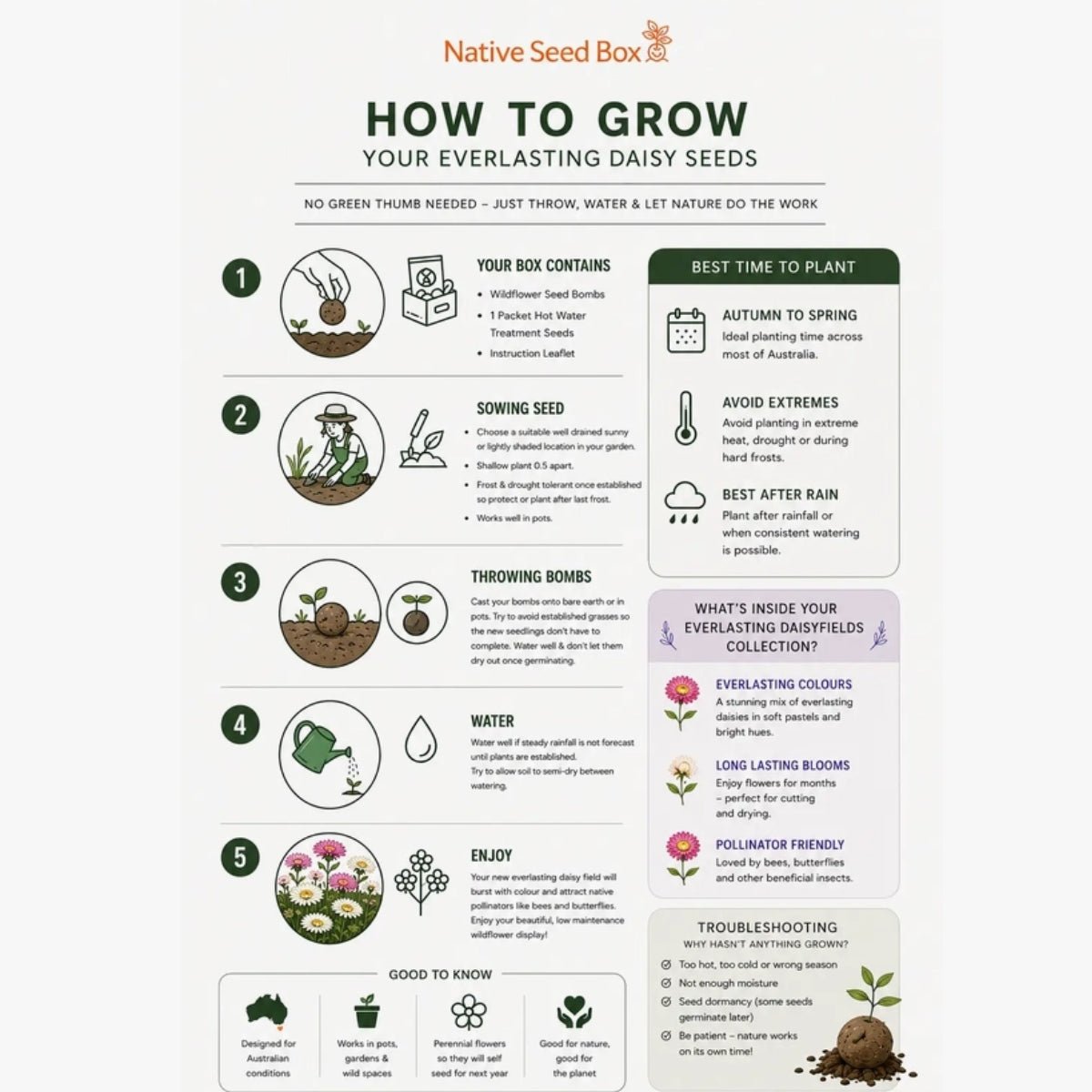
How to Plant
- Choose a sunny position with free-draining soil.
- Remove weeds and lightly loosen the soil surface.
- Place the seed bomb directly onto the prepared soil.
- Press it gently into the surface to ensure good soil contact.
- Do not bury the seed bomb deeply.
- Water thoroughly after planting.
- Keep the area consistently moist while germination occurs.
The seed bomb can also be planted in a wide pot or raised garden bed using a quality, free-draining seed-raising or native potting mix.
Growing and Care
Position
Plant in full sun for the strongest growth and flowering.
Some protection from intense afternoon sun may benefit young seedlings in very hot climates.
Soil
Use free-draining soil that does not remain waterlogged.
Remove weeds before planting to reduce competition for light, moisture and nutrients. Avoid heavily mulching over the seed bomb, as the small seeds require shallow planting and access to light.
Watering
Keep the planting area lightly and consistently moist while the clay breaks down and germination occurs.
Use a gentle spray to avoid washing away exposed seeds or damaging young seedlings. Once established, gradually reduce watering and allow the soil surface to begin drying between applications.
Feeding
Avoid strong fertilisers during germination.
If feeding is required after establishment, apply a mild fertiliser suitable for Australian native plants according to the product directions.
Thinning Seedlings
A large number of seedlings may emerge close together.
Seedlings can be thinned or carefully transplanted once they have developed several true leaves. Allowing adequate space between plants can improve airflow and flowering.
Drying the Flowers
Many everlasting daisies retain their papery appearance and colour when dried.
Harvest mature flowers during dry weather. Bundle the stems loosely and hang them upside down in a cool, shaded and well-ventilated position.
Important Information
- The exact species, colours and proportions may vary
- Germination and the number of established plants cannot be guaranteed
- Seeds may germinate at different times
- Results depend on temperature, moisture, soil preparation, planting depth, weather and ongoing care
- Many everlasting daisies are annual plants
- Future self-seeding cannot be guaranteed
- Plant only in managed garden beds, raised gardens or pots
- Do not plant in bushland, reserves, roadsides, national parks or other natural areas
- Australian native species are not necessarily indigenous to every local environment
Product Details
Product Name: Australian Everlasting Daisy Seed Bomb
Product Type: Australian native seed bomb
Contents: Australian clay, compost and mixed everlasting daisy seeds
Seed Quantity: Hundreds of seeds
Flower Colours: May include pink, white, yellow and gold
Plant Type: Predominantly annual wildflowers
Position: Full sun
Soil: Free-draining soil or native potting mix
Planting Locations: Garden beds, raised gardens and large pots
Germination: Varies according to species and growing conditions
Uses: Native gardens, wildflower displays, pollinator gardens and gifts
Origin: Made in Australia
Important: Exact species and colour proportions may vary
FAQ
Does every seed bomb contain every daisy listed?
Not necessarily. Each seed bomb contains a mixed selection of everlasting daisy seeds. The exact species, colour forms and proportions may vary according to seasonal seed availability.
How long will germination take?
Germination varies between species and growing conditions. Some seedlings may emerge within several weeks, while others may take longer.
When should I plant it?
Plant during mild conditions when the soil can be kept consistently moist. In many Australian regions, autumn and winter sowing can support spring flowering, although suitable timing varies between climates.
Can it be grown in a pot?
Yes. Choose a wide pot with drainage holes and use a free-draining seed-raising or native potting mix. A larger container provides more room for seedlings to establish and flower.
Does it need full sun?
A sunny position is recommended for strong growth and flowering. Young seedlings may benefit from protection against intense afternoon sun in very hot climates.
Will the flowers return every year?
Many everlasting daisies are annuals. Established plants may self-seed when conditions are suitable, but future germination and flowering cannot be guaranteed.
Are everlasting daisies suitable for pollinators?
Their flowers may provide pollen and nectar for native bees, butterflies and other beneficial insects visiting the garden.
Can the flowers be dried?
Yes. Many everlasting daisies retain their papery appearance and colour when dried. Harvest mature flowers during dry weather and hang them upside down in a shaded, well-ventilated position.