


Cinnamon Myrtle – Backhousia myrtifolia | 42mm Tube
- Regular price
-
$4.95 - Regular price
-
- Sale price
-
$4.95
Couldn't load pickup availability
Shipping information & Pickup
Shipped from Wardell, NSW. Shipping is calculated at checkout by weight, cubic weight and location.
Standard delivery is usually 2–8 business days. WA, NT and TAS may take 14–30 business days due to biosecurity inspection.
Free Local Pickup: Enter 1335 Wardell Road, Wardell NSW 2477 as the delivery address at checkout to display this option. Free delivery is available within 2 km. Travelling through or need something urgently? Contact us first, as some items may need to be ordered in.
Returns
If you aren't happy with your order. we accept returns.
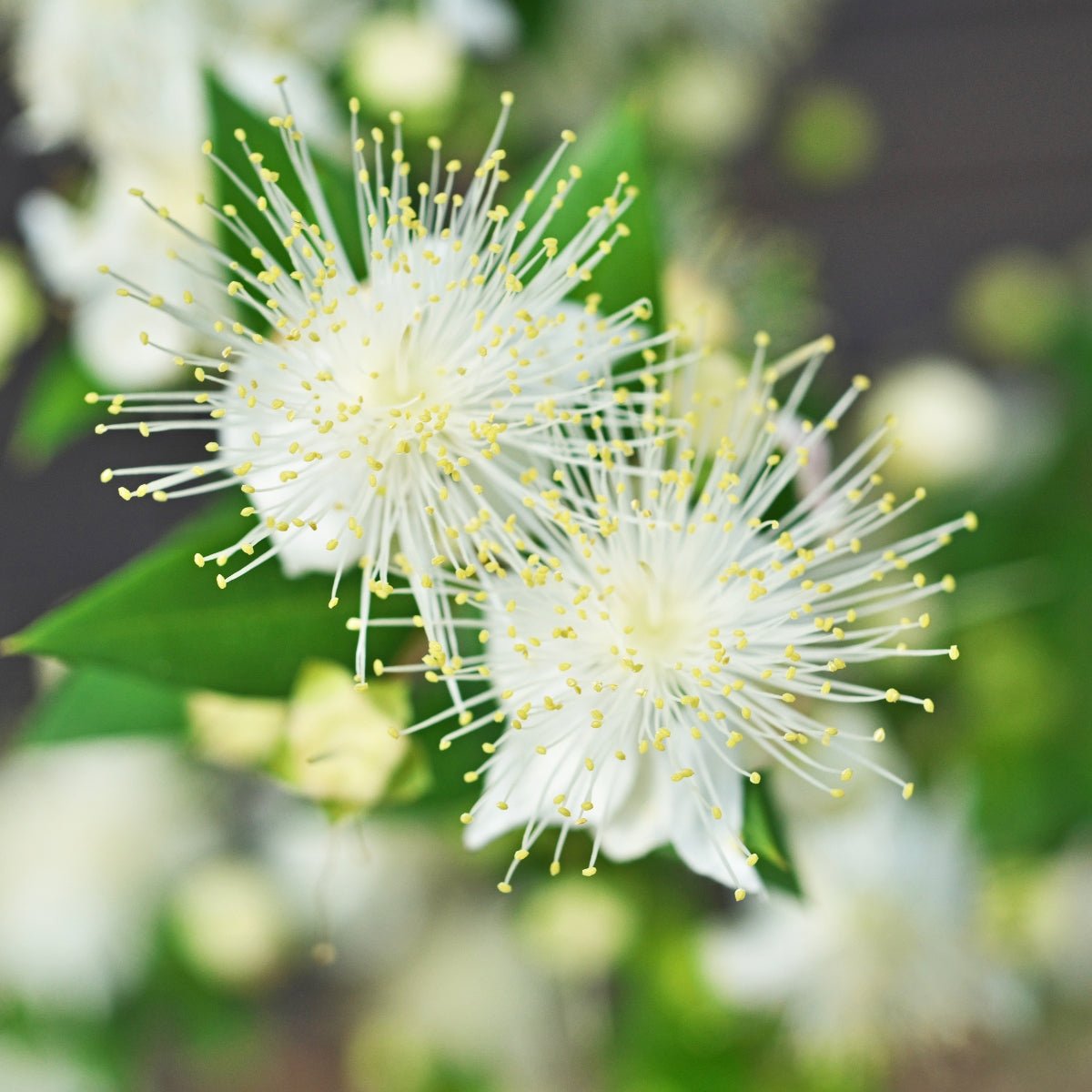
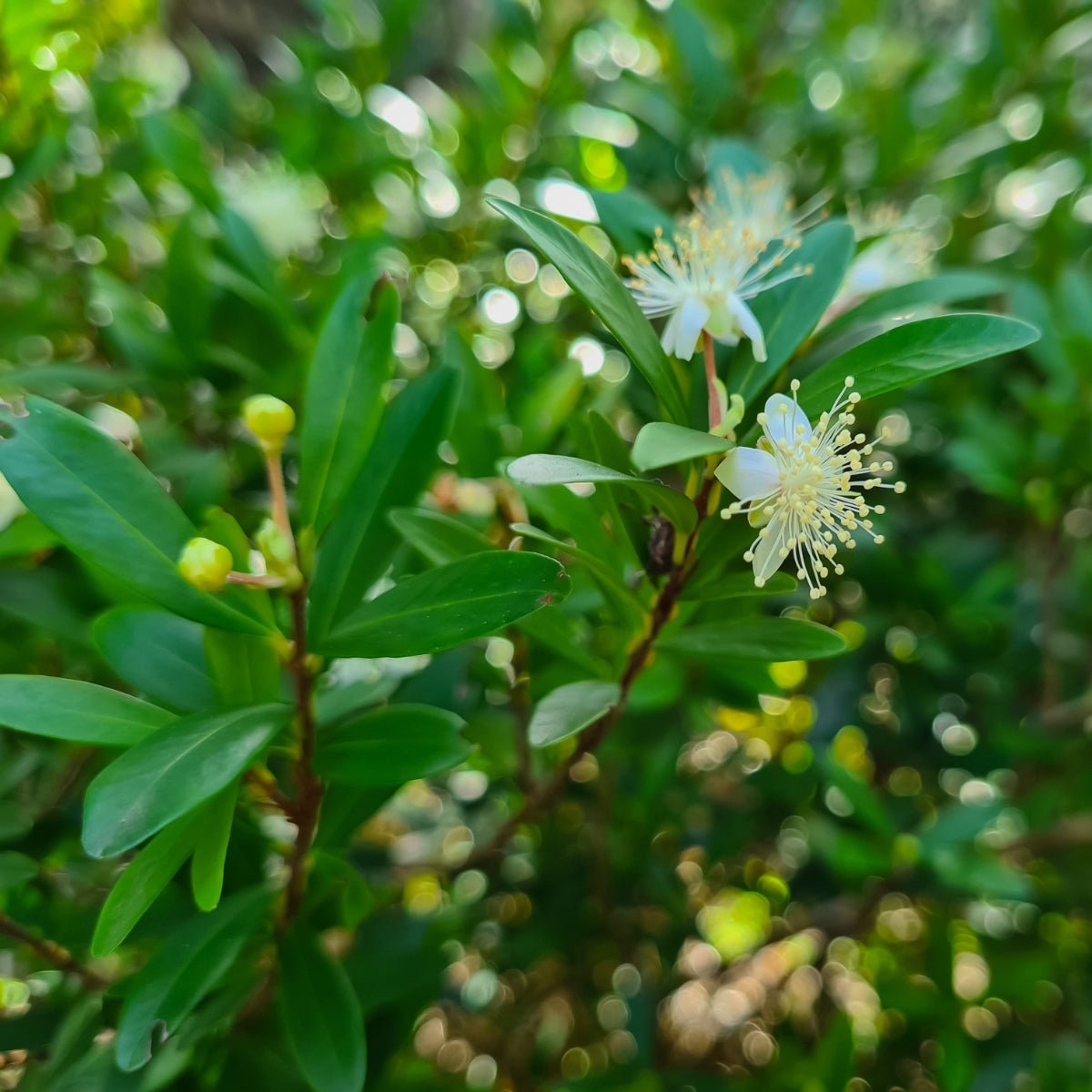
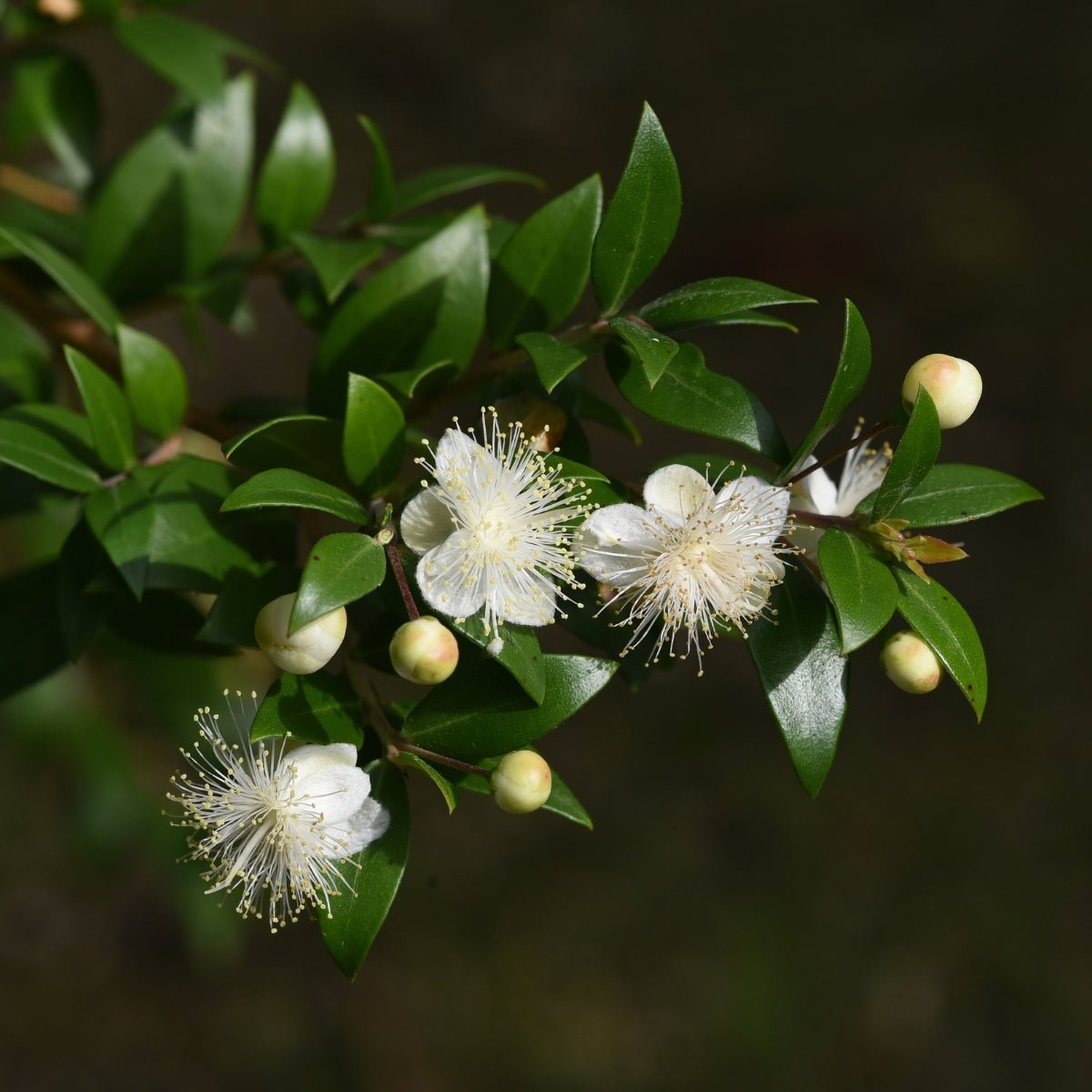
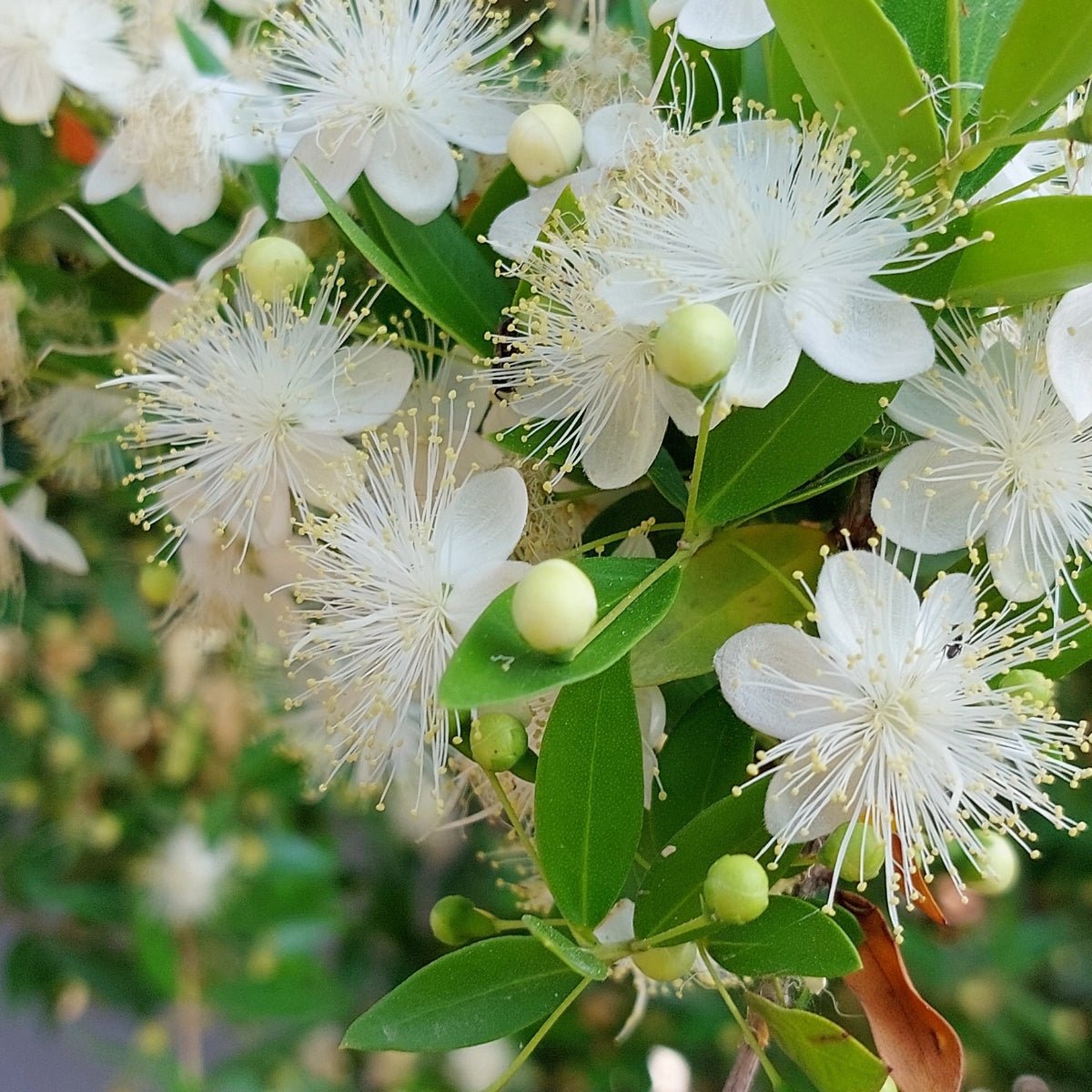

Description
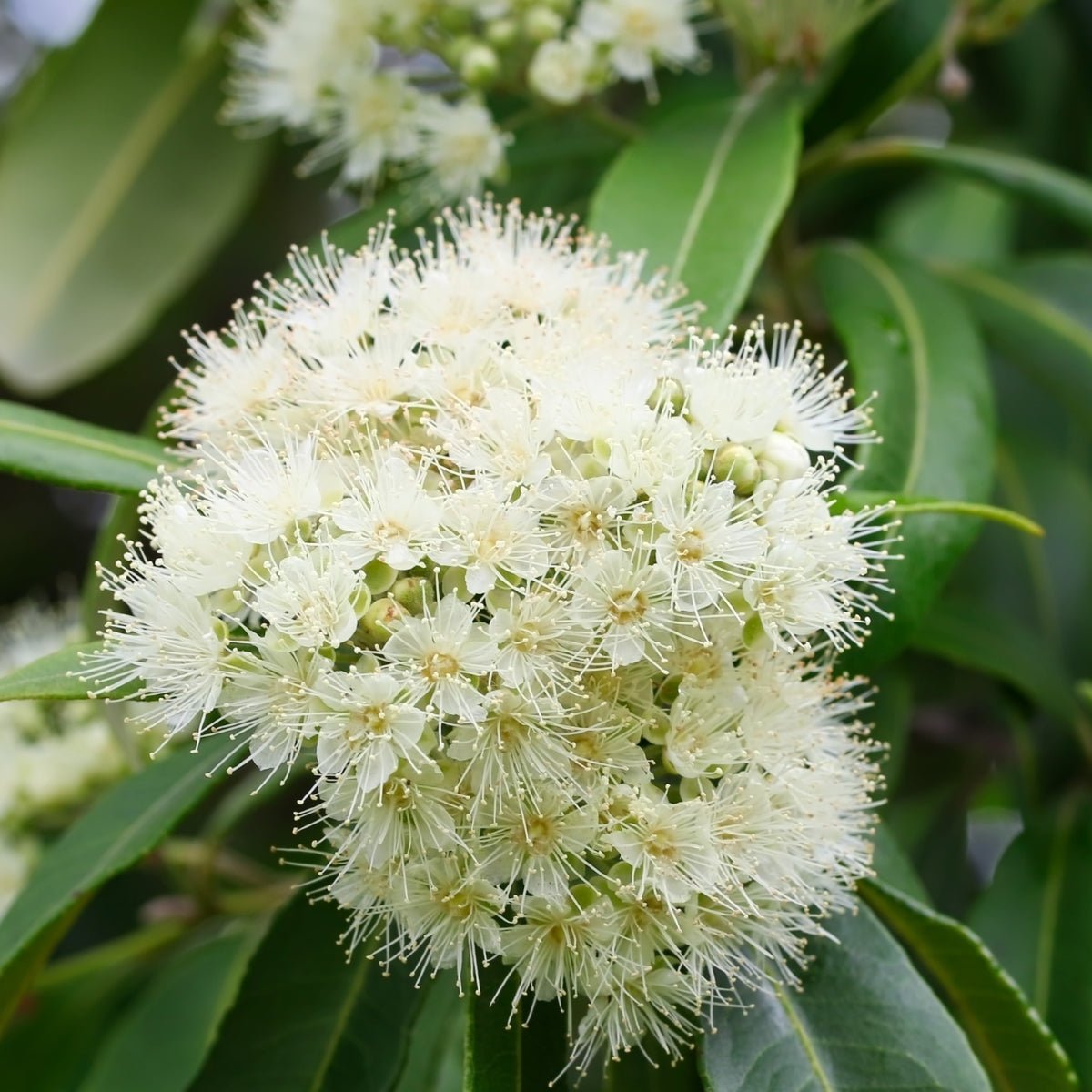
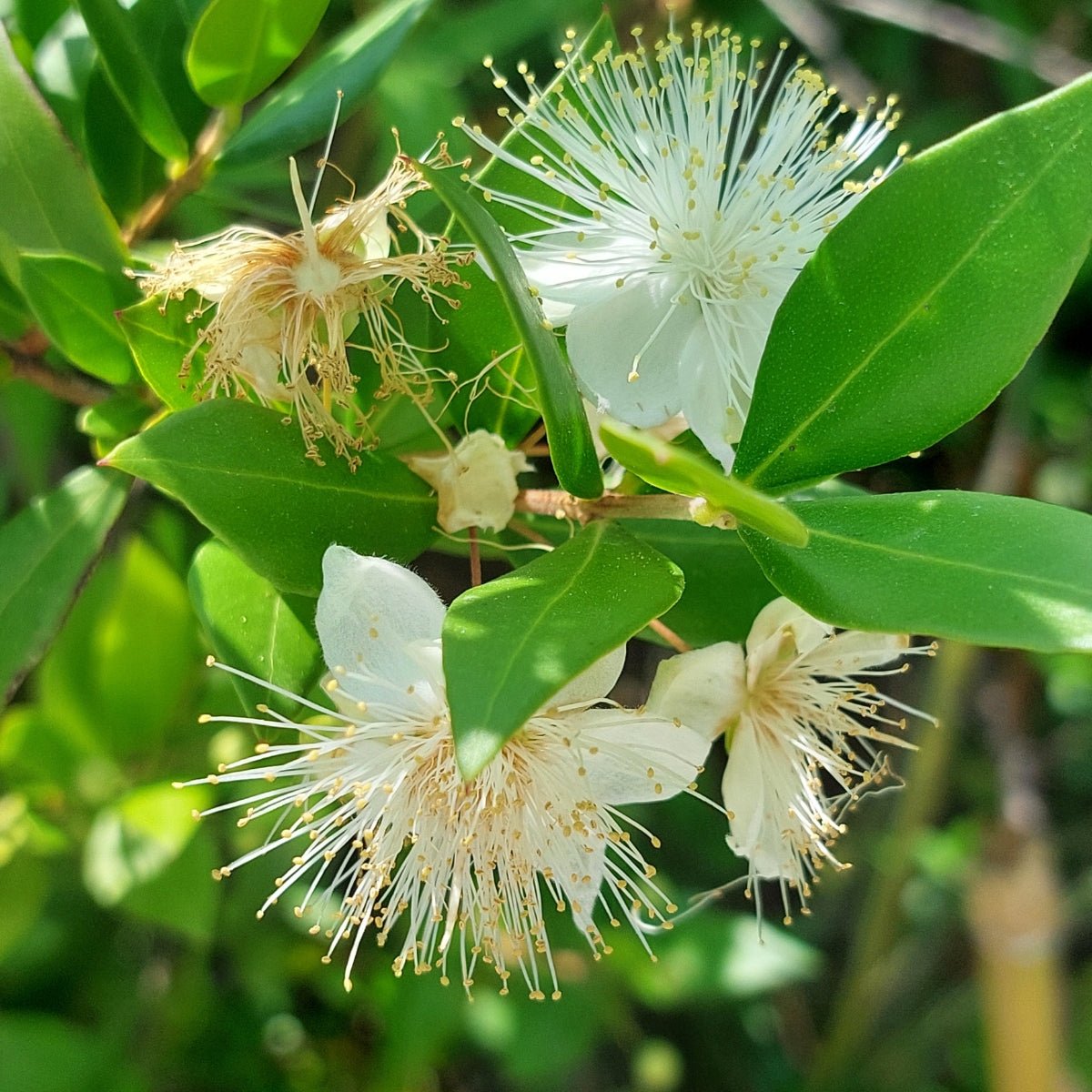
Cinnamon Myrtle is an attractive Australian native tree with dense evergreen foliage, clusters of cream-white summer flowers and leaves that release a sweet cinnamon-like fragrance when crushed.
Also known as Grey Myrtle, it develops into a useful screening, shade or feature tree. Regular pruning can maintain a denser, more compact shape for suburban gardens.
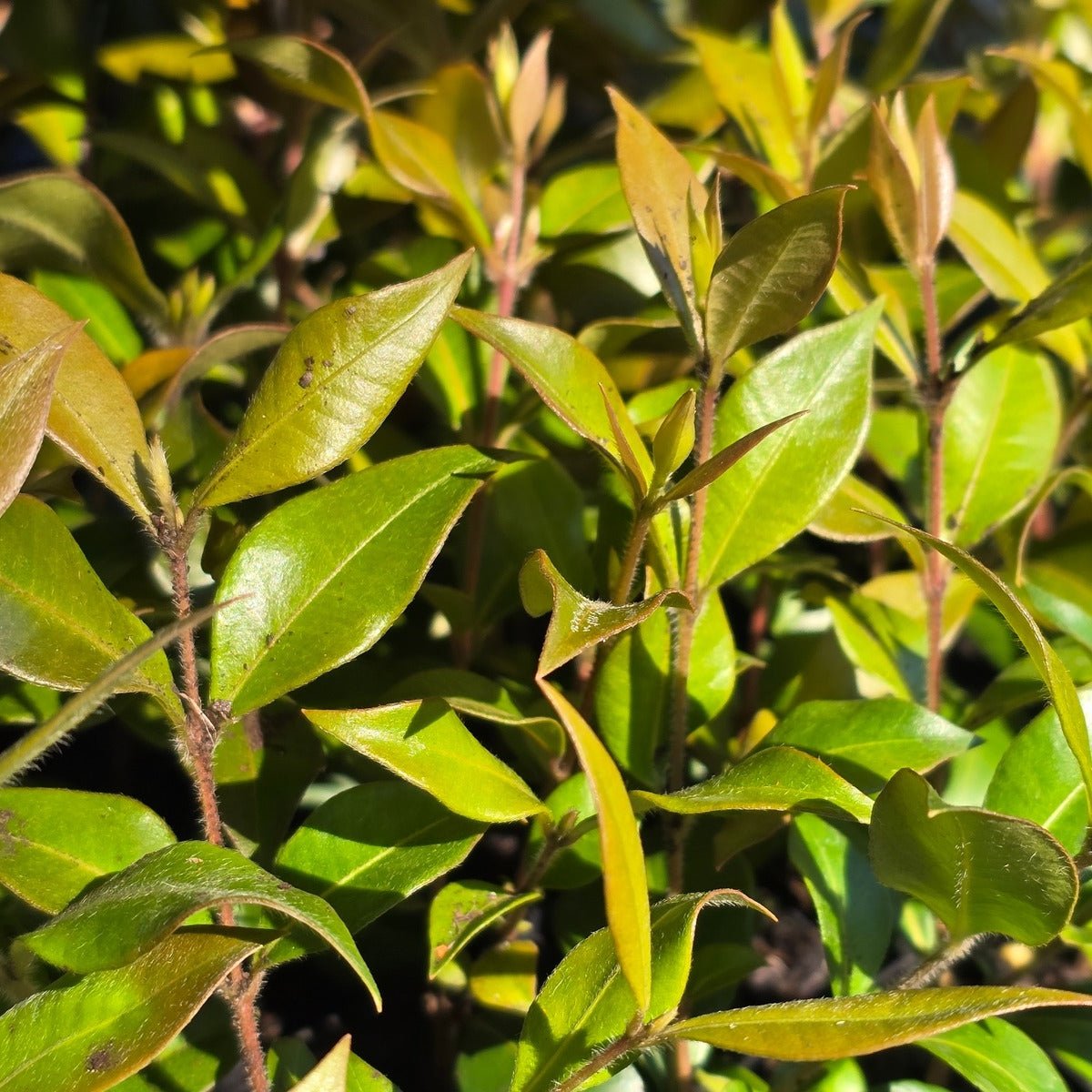
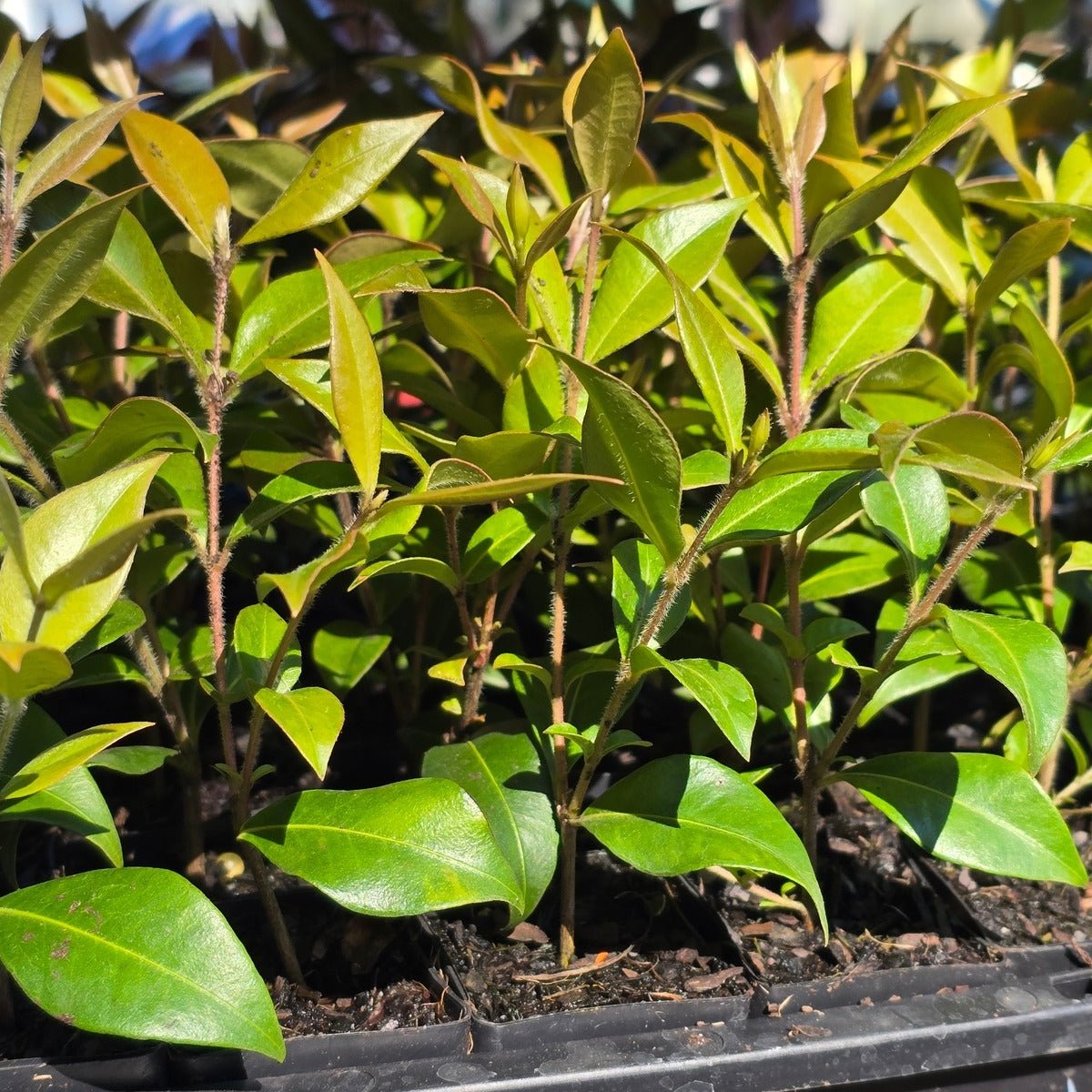
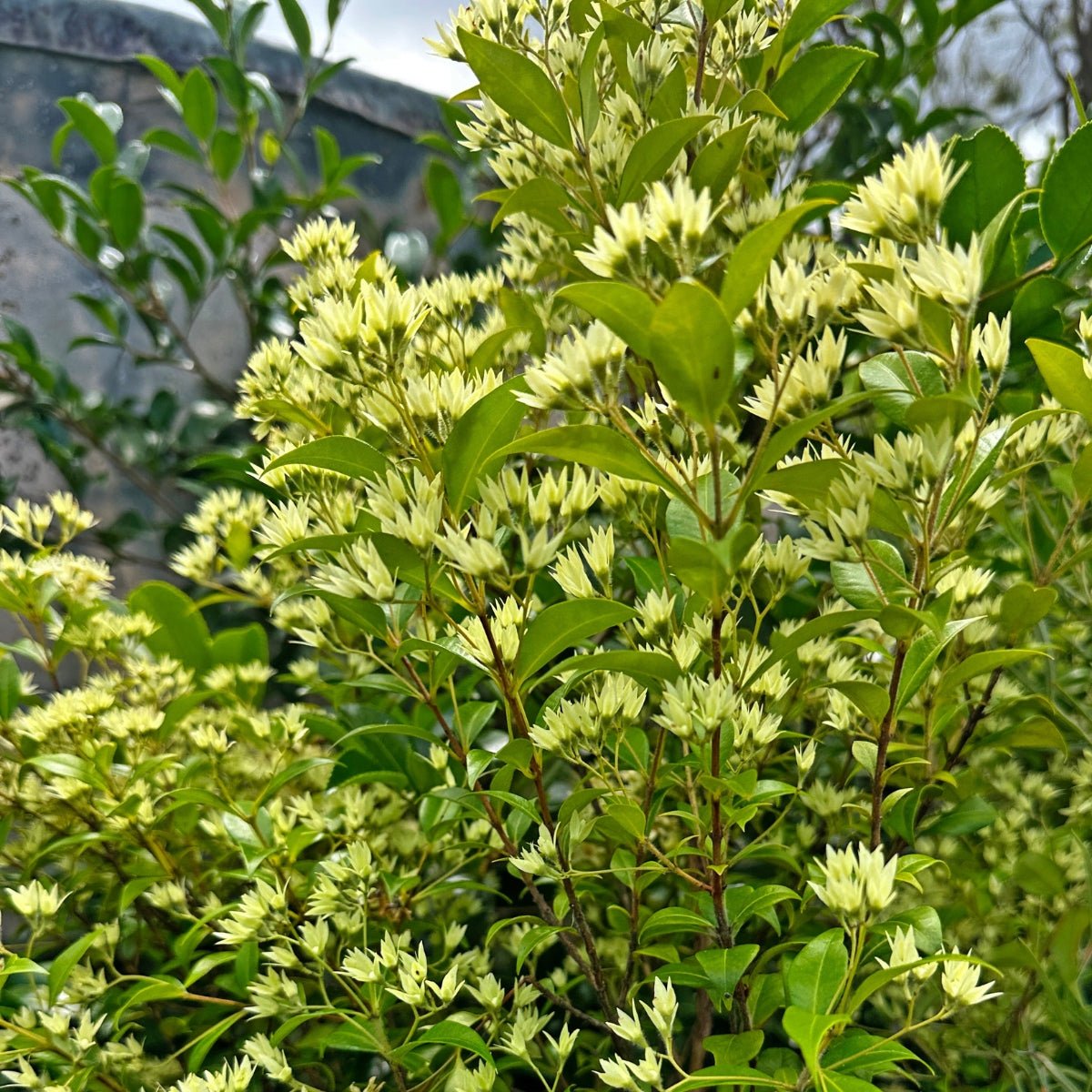
Please note: Images are stock images for illustrative purposes only and do not show the exact plant supplied. You will receive one young plant in a 42mm tube. Size, shape and foliage may vary naturally.
Key Features
- Australian native evergreen tree
- Cinnamon-scented foliage
- Cream-white summer flowers
- Dense growth suitable for screening
- Provides shade and garden structure
- Attracts birds, bees and other pollinators
- Can be maintained as a large shrub with pruning
- Supplied in a 42mm tube
Suitable Uses
- Native and wildlife gardens
- Privacy screens and windbreaks
- Feature or shade trees
- Rainforest-style gardens
- Bushfood gardens
- Large pots while young
Product Details
- Botanical name: Backhousia myrtifolia
- Common names: Cinnamon Myrtle, Grey Myrtle, Carrol and Ironwood
- Family: Myrtaceae
- Plant type: Evergreen native tree or large shrub
- Typical garden height: Approximately 3–7m
- Typical spread: Approximately 2–4m
- Potential size: May reach 10m or more in ideal sheltered conditions
- Flower colour: Cream to white
- Flowering period: Summer
- Foliage: Dark green and aromatic
- Position: Full sun to part shade
- Soil: Enriched, free-draining soil
- Frost tolerance: Light frost once established
- Supplied in: One 42mm nursery tube
Planting and Care
Water the plant thoroughly before removing it from the tube. Gently slide it from the container while keeping the young root ball intact.
Plant at the same depth as the existing potting mix, backfill and water thoroughly. Apply mulch around the plant while keeping it away from the trunk.
Water regularly during establishment, particularly through hot or dry weather. Once established, prune after flowering or as required to maintain the desired height, shape and density.
Protect young plants from heavy frost, strong wind and prolonged drying until established.
Culinary Use
The aromatic leaves are known for their cinnamon-like fragrance and have traditionally been used as an Australian bushfood flavouring.
Only consume plant material that has been positively identified and grown without chemicals unsuitable for edible crops. Wash thoroughly and research appropriate preparation before use.
Frequently Asked Questions
Is Cinnamon Myrtle the same as Lemon Myrtle?
No. Cinnamon Myrtle is Backhousia myrtifolia, while Lemon Myrtle is Backhousia citriodora. Their foliage has distinctly different aromas.
How large will it grow?
It commonly reaches approximately 3–7m in cultivated gardens but can grow considerably larger in ideal sheltered conditions.
Can it be kept smaller?
Yes. Regular pruning can maintain a denser and more compact shrub or screen.
Does the foliage smell like cinnamon?
The leaves release a sweet, cinnamon-like fragrance when rubbed or crushed.
Can it be grown as a hedge?
Yes. Its naturally dense growth responds to pruning and can be trained as a tall screen or informal hedge.
Does it attract wildlife?
The summer flowers can attract bees, pollinating insects and birds.
Can it tolerate frost?
Established plants can tolerate light frost. Protect young tubestock from significant frost while establishing.
What does 42mm tube mean?
It refers to the width of the small nursery container. The plant supplied is a healthy young tubestock plant rather than an established tree.
Important Information
The photograph shows an example of a mature plant. The supplied plant is a young plant growing in a 42mm nursery tube.
Plant height, shape, foliage density and seasonal appearance will vary between individual plants. Plants may be lightly pruned before dispatch to assist safe transport and healthy establishment.