


Dahlia ‘Bee Hive’ Tuber | Bronze-Orange Miniature Ball
- Regular price
-
$14.95 - Regular price
-
- Sale price
-
$14.95
Couldn't load pickup availability
Shipping information & Pickup
Shipped from Wardell, NSW. Shipping is calculated at checkout by weight, cubic weight and location.
Standard delivery is usually 2–8 business days. WA, NT and TAS may take 14–30 business days due to biosecurity inspection.
Free Local Pickup: Enter 1335 Wardell Road, Wardell NSW 2477 as the delivery address at checkout to display this option. Free delivery is available within 2 km. Travelling through or need something urgently? Contact us first, as some items may need to be ordered in.
Returns
If you aren't happy with your order. we accept returns.


Description
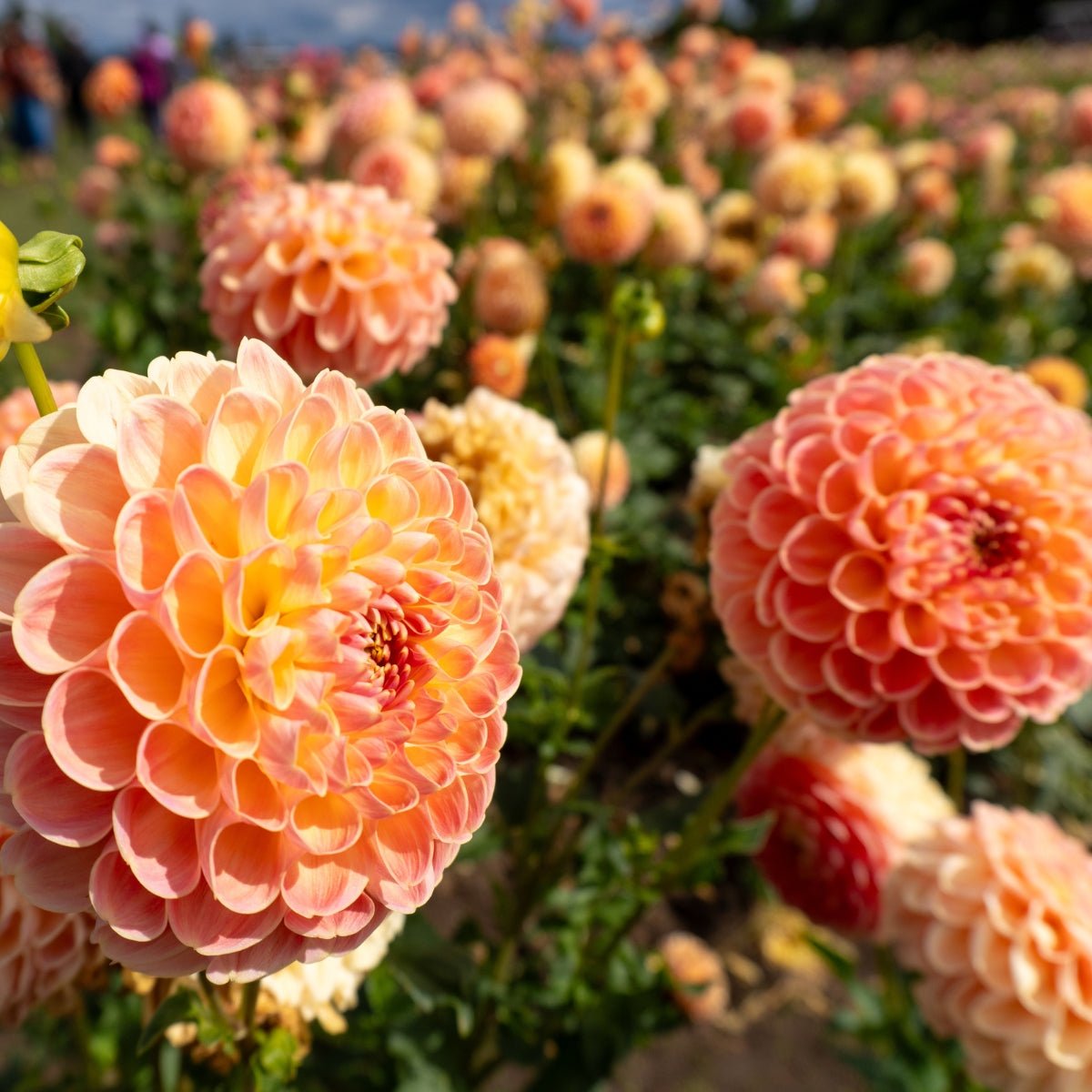
Dahlia ‘Bee Hive’ produces beautifully rounded bronze-orange miniature ball flowers with tightly arranged petals resembling the repeating pattern of a honeycomb.
The warm copper, amber and soft peach tones combine easily with pinks, yellows, oranges and creams in garden displays and flower arrangements. Introduced in 2024, ‘Bee Hive’ is a strong-growing and productive variety with sturdy stems and excellent cut-flower qualities.
Tuber Supply Note
Supplied as one dormant Dahlia tuber.
Example image only. Flower colour may vary slightly with temperature, sunlight, soil and growing conditions.
Tuber size, shape and the number of growing points will vary naturally. A smaller tuber can produce a plant and flowers equal to those produced by a larger tuber.
Key Features
- Warm bronze-orange flowers
- Copper, amber and soft peach tones
- Miniature ball flower form
- Tightly arranged honeycomb-like petals
- Flowers approximately 8–9cm across
- Strong, sturdy growth
- Long stems suitable for cutting
- Productive flowering variety
- Flowers repeatedly when regularly picked or deadheaded
- Introduced in 2024
- Suitable for garden beds and cut-flower gardens
Suitable Uses
- Cut-flower gardens
- Bouquets and floral arrangements
- Cottage gardens
- Mixed garden borders
- Warm-toned planting schemes
- Feature planting
- Large pots and containers
- Mass planting
Plant Details
Botanical Name: Dahlia ‘Bee Hive’
Common Name: Bee Hive Dahlia
Family: Asteraceae
Plant Type: Tuberous perennial
Flower Classification: Miniature Ball
Flower Colour: Bronze orange, copper, amber and soft peach
Flower Size: Approximately 8–9cm
Mature Height: Approximately 1.2–1.5m, depending on conditions
Flowering Period: Summer to autumn
Position: Full sun
Soil: Fertile and well drained
Water Needs: Moderate during active growth
Growth Habit: Upright and branching
Cut Flower: Yes
Supply Format: One dormant tuber
Planting Instructions
Plant in spring after the risk of frost has passed and the soil has begun to warm.
Choose a sunny position receiving approximately 6–8 hours of direct sunlight daily. Afternoon protection may be beneficial in very hot climates.
Plant the tuber horizontally approximately 10cm deep, with the growing point or eye facing upward. Space plants approximately 50–75cm apart to provide room for growth and airflow.
Avoid heavy watering before shoots appear unless the soil is particularly dry. Once active growth begins, water deeply and regularly without leaving the soil continually wet.
Install a stake at planting time or while the plant is still young to support its tall stems later in the season.
Care Instructions
Watering
Water deeply during active growth, particularly during hot or dry weather. Direct water towards the soil and avoid frequently wetting the foliage.
Allow excess water to drain freely, as tubers may rot in continually wet soil.
Feeding
Prepare the soil with compost or well-rotted organic matter before planting.
Apply a suitable flowering plant fertiliser once active growth is established. Avoid excessive nitrogen, which can encourage leafy growth at the expense of flowers.
Pinching and Flowering
Pinching the central growing tip when the young plant is approximately 20–30cm high can encourage branching and additional flowering stems.
Regularly cut flowers or remove spent blooms to promote continued flowering throughout summer and autumn.
Staking
‘Bee Hive’ can reach approximately 1.2–1.5m and should be supported with a sturdy stake, frame or suitable plant support.
Climate
Dahlias perform best in temperate and warm-temperate climates.
They can also be grown in subtropical areas with excellent drainage, good airflow and some protection from extreme afternoon heat. Planting times may need to be adjusted in warm, humid regions.
In frost-prone areas, wait until the danger of frost has passed before planting. Tubers may be lifted and stored after the foliage dies back where winters are cold or excessively wet.
FAQ
What colour is Dahlia ‘Bee Hive’?
The flowers are warm bronze orange with copper, amber and soft peach tones. Their appearance may shift slightly under different temperatures and light conditions.
What flower type is Bee Hive?
‘Bee Hive’ is classified as a Miniature Ball Dahlia, producing rounded flowers with tightly arranged petals.
How large are the flowers?
The blooms reach approximately 8–9cm across under suitable growing conditions.
How tall does Bee Hive grow?
Plants generally reach approximately 1.2–1.5m and should be supported with a sturdy stake.
Is Bee Hive suitable for cutting?
Yes. Its sturdy stems, productive flowering and compact ball-shaped blooms make it an excellent cut-flower variety.
When will it flower?
Dahlias generally flower from summer into autumn. Flowering commonly begins around 90 days after planting, depending on climate and growing conditions.
Can it be grown in a pot?
Yes, but use a large container with drainage holes and provide a sturdy support. Container-grown Dahlias may require more frequent watering and feeding.
Will my tuber look like the one pictured?
Tuber size and shape vary naturally. The product image shows an example of the mature flowers rather than the exact tuber supplied.
Important Product Image Note
Example image only. The image shows the expected mature flowers and is not a photograph of the exact tuber supplied. Flower colour, size and appearance may vary slightly with climate, temperature, sunlight and growing conditions.
Tuber Supply Note
Supplied as one dormant Dahlia tuber.
Tuber size, shape and the number of growing points will vary naturally. A smaller tuber can produce a plant and flowers equal to those produced by a larger tuber.