


Hippeastrum ‘Red Rascal’ Bulb | Bright Red Sonatini Amaryllis
- Regular price
-
$32.90 - Regular price
-
- Sale price
-
$32.90
Couldn't load pickup availability
-
Hurry, only 5 items left in stock!
Shipping information & Pickup
Shipped from Wardell, NSW. Shipping is calculated at checkout by weight, cubic weight and location.
Standard delivery is usually 2–8 business days. WA, NT and TAS may take 14–30 business days due to biosecurity inspection.
Free Local Pickup: Enter 1335 Wardell Road, Wardell NSW 2477 as the delivery address at checkout to display this option. Free delivery is available within 2 km. Travelling through or need something urgently? Contact us first, as some items may need to be ordered in.
Returns
If you aren't happy with your order. we accept returns.

Description
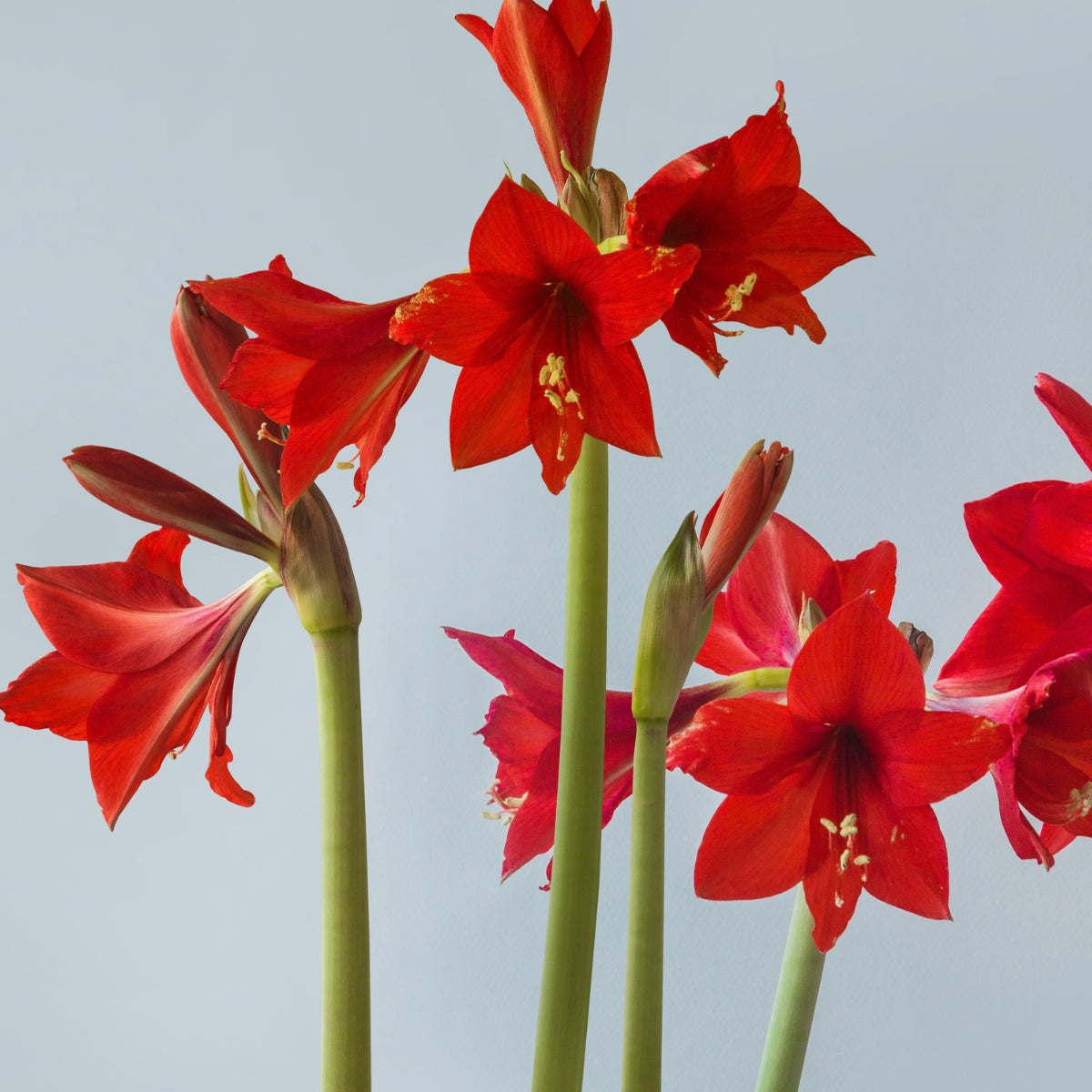
Create a vivid summer display with Hippeastrum ‘Red Rascal’, a compact Sonatini Hippeastrum producing brilliant post-box-red flowers on strong, sturdy stems.
The upward-facing, trumpet-shaped flowers display rich scarlet-red colouring that may deepen towards the throat. Their bold colour and compact growth make ‘Red Rascal’ highly effective in garden beds, borders, patio pots and grouped bulb displays.
Unlike many larger traditional Hippeastrums, ‘Red Rascal’ maintains a shorter, more manageable habit while still producing an impressive floral display. Once established, a mature bulb may produce multiple flower stems, with each stem carrying several blooms.
Sonatini Hippeastrums were developed for vigorous garden performance and greater cold tolerance than many traditional large-flowered cultivars. They can remain in the ground and gradually form clumps where the soil drains freely and local conditions are suitable.
EXAMPLE IMAGE ONLY: The flower image shows an example of the expected mature bloom. The intensity of the red colouring, flower size, stem number and flowering time may vary according to bulb maturity, climate and growing conditions. The supplied product is a bulb—not a flowering plant.
Flower Characteristics
-
Bright post-box-red flowers
-
Scarlet to rich crimson-red colouring
-
Colour may deepen towards the throat
-
Single, trumpet-shaped flower form
-
Flowers approximately 6–12cm across
-
Several upward-facing blooms may be carried on each stem
-
Compact Sonatini Hippeastrum classification
-
Strong, sturdy flower stems
-
Excellent visual impact in grouped plantings
-
Suitable for garden display and cutting
-
Flowers during the warmer months under suitable Australian conditions
Supplied as a Bulb
Supplied as the selected quantity of Hippeastrum ‘Red Rascal’ bulbs.
Hippeastrum bulbs naturally vary in size, shape and external appearance. Dry or peeling outer layers are normal and help protect the bulb.
Bulbs may arrive dormant or with developing roots, leaves or flower shoots depending on the season. The presence or absence of visible growth does not determine whether the bulb is healthy.
Flowering performance will depend on bulb maturity, planting time, climate and ongoing care.
What Is a Sonatini Hippeastrum?
Sonatini Hippeastrums are compact hybrids developed for strong garden performance and greater cold tolerance than many traditional large-flowered Hippeastrums.
They generally produce shorter stems and slightly smaller flowers, but established bulbs can compensate by producing multiple stems and numerous blooms.
Their compact, sturdy growth makes them particularly useful for pots, garden borders and mass planting.
Key Features
-
Named Hippeastrum cultivar ‘Red Rascal’
-
Compact Sonatini hybrid
-
Vivid post-box-red flowers
-
Scarlet to crimson colouring
-
Flowers approximately 6–12cm across
-
Grows approximately 30–45cm tall
-
Compact and sturdy growth habit
-
Established bulbs may produce two or three flower stems
-
Each stem may carry several blooms
-
Suitable for garden beds and containers
-
Excellent cut-flower variety
-
Perennial bulb under suitable conditions
-
Greater cold tolerance than many traditional Hippeastrum hybrids
-
Suitable for cool through to tropical Australian climates with appropriate care
-
Supplied as a bulb
Suitable Uses
-
Red flowering gardens
-
Garden beds and borders
-
Patio pots
-
Courtyard gardens
-
Balcony containers
-
Cottage gardens
-
Subtropical gardens
-
Cool-climate bulb gardens
-
Cut-flower gardens
-
Temporary indoor flowering displays
-
Mass bulb planting
-
Hippeastrum collections
-
Amaryllis collections
-
Red and white displays with ‘White Rascal’
-
Living gifts for gardeners
Planting Instructions
Plant Hippeastrum ‘Red Rascal’ into fertile, free-draining soil or a premium-quality potting mix.
Position the bulb with the roots facing downwards and the pointed neck facing upwards. Keep the neck and upper shoulders of the bulb at or slightly above the soil surface, particularly in warm or humid climates.
Do not bury the bulb deeply, as continually damp soil around the neck can increase the risk of rot.
Space bulbs approximately 15–20cm apart when planting in groups, allowing room for offsets and future clump development.
Water lightly after planting to settle the soil. Avoid repeated heavy watering until active root, leaf or flower growth begins.
Care Instructions
Position
Grow Hippeastrum ‘Red Rascal’ in full sun to semi-shade.
A position receiving morning sun with some protection from intense late-afternoon heat is suitable in particularly hot Australian climates.
Adequate light is important for strong flowering. Plants growing in heavy shade may produce healthy foliage but fewer flowers.
Protect developing flower stems and open blooms from strong or damaging winds.
Soil
Plant in fertile, humus-rich and free-draining soil.
Hippeastrum bulbs are susceptible to rot when planted in dense soil that remains continually wet. Improve heavy clay before planting or grow the bulb in a raised garden bed or container.
In pots, use a premium-quality potting mix with excellent drainage.
Watering
Water sparingly immediately after planting, particularly if the bulb is dormant.
Increase watering once active leaves or flower stems begin growing. Water thoroughly, then allow the upper soil surface to begin drying before watering again.
Avoid allowing water to collect around the neck of the bulb. Reduce watering when the foliage naturally yellows or growth slows.
In warm climates, foliage may remain green for much of the year. Continue watering according to active growth, rainfall and local conditions.
Feeding
Apply a suitable bulb fertiliser once active leaf growth is established.
Additional feeding after flowering helps the foliage replenish the bulb’s stored energy for the following season.
Avoid placing concentrated fertiliser directly against the bulb. Always follow the fertiliser label directions and water thoroughly after applying.
After Flowering
Remove individual faded flowers before seed pods begin developing unless seed production is intended.
Once every flower on a stem has finished, cut the flower stem near the base without damaging the surrounding leaves.
Do not remove healthy green foliage. The leaves use sunlight to rebuild the bulb’s energy reserves and support future flowering.
Allow the foliage to yellow naturally before removing it.
Growing in Containers
‘Red Rascal’ is particularly well suited to container growing because of its compact size and sturdy stems.
Choose a container with generous drainage holes. A relatively snug pot is preferable to an excessively large container that holds unnecessary moisture around the bulb.
Position the bulb with its neck and upper shoulders exposed above the potting mix. Water carefully and never allow the container to remain standing in water.
Container-grown bulbs may require more frequent watering and feeding during active growth.
Indoor Display
Potted bulbs can be brought indoors temporarily while flowering.
Place the pot in a bright position away from heaters, air conditioners and dark interior areas. Cooler indoor temperatures can help the flowers remain attractive for longer.
Return the plant to a bright outdoor growing position after flowering so the foliage can rebuild the bulb.
Climate and Cold Tolerance
Sonatini Hippeastrums have greater cold tolerance than many traditional large-flowered Hippeastrums.
In cool climates, plant once severe frost conditions have passed or provide protection while the bulb establishes. A dry winter mulch may help protect bulbs in colder gardens.
Excellent drainage remains particularly important during cold or wet weather.
In warm-temperate and subtropical climates, bulbs can generally remain in the ground throughout the year where the soil drains freely.
Dividing Established Clumps
Established bulbs may gradually produce offsets and form clumps.
Divide overcrowded clumps while growth is dormant or slowing. Carefully separate offsets with their roots attached and replant promptly.
Small offsets may require several growing seasons before reaching flowering size.
Product Details
Botanical Name: Hippeastrum × hybridum ‘Red Rascal’
Cultivar: ‘Red Rascal’
Cultivar Group: Sonatini
Common Name: Hippeastrum or Amaryllis
Family: Amaryllidaceae
Plant Type: Perennial flowering bulb
Supply Format: Bulb
Flower Colour: Bright post-box red to scarlet red
Flower Form: Single, trumpet-shaped flowers
Flower Size: Approximately 6–12cm
Plant Height: Approximately 30–45cm
Plant Width: Approximately 15cm before clumping
Flowering Period: Generally during the warmer months; timing varies by climate
Position: Full sun to semi-shade
Soil: Fertile, humus-rich and free-draining
Planting Depth: Neck and upper shoulders at or slightly above the soil surface
Plant Spacing: Approximately 15–20cm
Water Needs: Moderate during active growth; reduced during dormancy
Climate: Cool, temperate, subtropical and tropical climates with appropriate care
Frost Tolerance: Greater cold tolerance than many traditional Hippeastrums; protect newly planted bulbs from severe frost
End Use: Garden beds, containers, cut flowers and temporary indoor displays
Important Information
-
The supplied product is a bulb—not a flowering plant
-
Bulb size, shape and external appearance will vary naturally
-
Dry or peeling outer layers are normal
-
Bulbs may arrive with or without visible roots or shoots
-
Flowering time varies according to climate, planting time and bulb maturity
-
The number of flower stems and blooms cannot be guaranteed
-
Mature, established bulbs generally produce stronger floral displays
-
‘Red Rascal’ is a compact Sonatini Hippeastrum
-
Its flowers are smaller than those of many giant Hippeastrum cultivars
-
Flowers may appear scarlet, crimson or post-box red under different lighting
-
Keep the bulb neck above or close to the soil surface
-
Avoid waterlogged soil and continually wet conditions around the bulb
-
All parts should be considered harmful if eaten, particularly the bulb
-
Wear gloves when handling and wash hands after
-
Keep bulbs away from children and animals
FAQ
What colour are Hippeastrum ‘Red Rascal’ flowers?
The flowers are a bright post-box red that may appear scarlet or crimson under different lighting. Some blooms may display slightly deeper colouring towards the throat.
What does Sonatini mean?
Sonatini Hippeastrums are compact hybrids developed for sturdy growth, reliable garden performance and greater cold tolerance. They generally have shorter stems and smaller flowers than traditional giant Hippeastrums.
How tall does ‘Red Rascal’ grow?
Plants generally reach approximately 30–45cm tall, making this variety suitable for pots, garden borders and positions where a shorter Hippeastrum is preferred.
How many flowers will one bulb produce?
An established bulb may produce two or three flower stems, with several flowers carried on each stem. The first season’s display will depend on bulb maturity, stored energy and growing conditions.
When should I plant the bulb?
Plant during winter or spring when local conditions are suitable. In subtropical climates, early spring is generally suitable. In colder climates, delay planting until the danger of severe frost has passed and the soil has begun to warm.
Can ‘Red Rascal’ be grown in a pot?
Yes. Its compact habit makes it particularly suitable for pots. Use a free-draining potting mix and a container with drainage holes, leaving the bulb’s neck and upper shoulders exposed.
Will the bulb flower during its first season?
Flowering depends on bulb maturity, storage conditions, planting time and care. Healthy flowering-size bulbs may bloom during their first suitable season, but flowering cannot be guaranteed.
Can the bulb remain in the ground permanently?
Yes, where the soil drains freely and the climate is suitable. Sonatini Hippeastrums have improved cold tolerance, but newly planted bulbs should still be protected from severe frost and prolonged winter waterlogging.