


Lomandra longifolia Seedling | Native Mat Rush | 50mm Pot
- Regular price
-
$3.90 - Regular price
-
- Sale price
-
$3.90
Couldn't load pickup availability
Shipping information
Shipped from Wardell, NSW. Shipping is calculated at checkout by weight, cubic weight and location.
Standard delivery is usually 2–8 business days. WA, NT and TAS may take 14–30 business days due to biosecurity inspection.
Free local pickup is available from 1335 Wardell Road, Wardell NSW for eligible postcodes within 50km. Travelling through or need something urgently? Please contact us before ordering, as some items may need to be ordered in.
Returns
If you aren't happy with your order. we accept returns.

Description
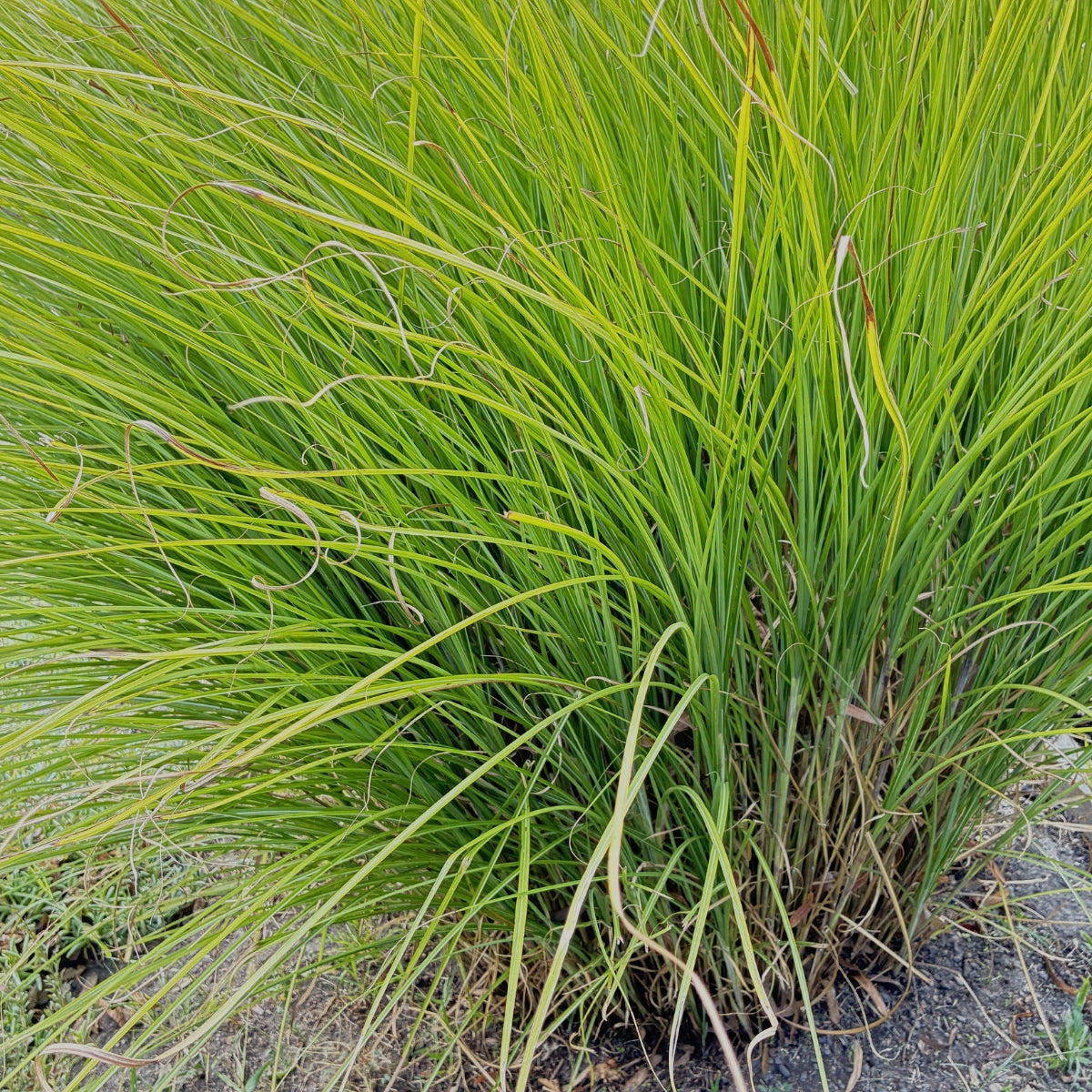
Create hardy, low-maintenance structure in the garden with Lomandra longifolia, a reliable Australian native clumping plant with long, arching green foliage.
Commonly known as Spiny-headed Mat Rush, this adaptable species develops a dense tussock that provides year-round texture. Cream to yellow flower clusters appear on branched spikes during late winter and spring, often producing a noticeable sweet fragrance.
Ideal for mass planting, borders, embankments, revegetation projects and difficult garden positions, Lomandra longifolia tolerates a broad range of soils and conditions once established.
Seed-Grown Plants
These plants are grown from seed and are not a named cultivar.
Seed-grown plants display natural genetic variation. Mature height, foliage width, growth habit, leaf colour and flowering characteristics may differ slightly between individual plants.
Customers requiring the highly uniform appearance of a specific Lomandra cultivar should select a clonally propagated named variety instead.
Supplied in 50mm Pots
Supplied as one young, established seedling in a 50mm nursery pot.
The 50mm measurement refers to the pot in which the plant is growing—not the plant’s overall height or width.
Plant height, leaf number, foliage length and root development will vary naturally according to the growing cycle and time of year.
Plant Characteristics
- Dense, clumping growth habit
- Long, arching green foliage
- Leaves generally reaching approximately 50–100cm long
- Cream to yellow flower clusters
- Flowering mainly during late winter and spring
- Flowers may produce a strong, sweet fragrance
- Evergreen in suitable conditions
- Strong, fibrous root system
- Naturally variable seed-grown form
- Long-lived Australian native species
Key Features
- Australian native clumping plant
- Hardy and adaptable
- Approximately 50cm–1m tall
- Approximately 60cm–1m wide
- Suitable for full sun or part shade
- Tolerates sandy, loamy and clay soils
- Drought tolerant once established
- Can tolerate periodic wet conditions
- Frost tolerant once established
- Useful for erosion control and revegetation
- Suitable for mass planting
- Requires minimal ongoing maintenance
- Supplied in a 50mm nursery pot
Suitable Uses
- Australian native gardens
- Mass planting
- Garden borders
- Driveway and pathway planting
- Embankments and slopes
- Erosion-control projects
- Revegetation planting
- Commercial landscapes
- Parks and public gardens
- Around dams and watercourses
- Under established trees
- Large containers
- Low-maintenance gardens
- Habitat and wildlife-friendly planting
Planting Instructions
Choose a position in full sun or part shade.
Water the plant thoroughly before removing it from its nursery pot. Dig a planting hole approximately twice the width of the pot and about the same depth as the root ball.
Carefully remove the plant without pulling on its foliage. Position it with the top of the root ball level with the surrounding soil.
Backfill gently, firm the soil and water thoroughly. Apply mulch around the planting area to help retain moisture and suppress weeds, keeping the mulch clear of the plant’s central crown.
For mass planting, space plants approximately 60–100cm apart, depending on the desired coverage and how quickly a continuous planting is required.
Care Instructions
Position
Grow Lomandra longifolia in full sun to part shade.
Plants grown in full sun generally develop denser growth. Those planted in shaded positions may produce longer, more relaxed foliage and a more open habit.
Soil
This adaptable species grows in a wide range of soils, including sand, loam and clay.
For best garden performance, plant in soil that drains adequately while retaining some moisture. Established plants can tolerate both dry periods and occasional temporary inundation.
Avoid planting the crown too deeply or allowing it to remain continually buried beneath wet mulch.
Watering
Water regularly during the establishment period, especially during hot, dry or windy weather.
Once established, Lomandra longifolia is drought tolerant. Occasional deep watering during prolonged dry conditions will help maintain stronger growth and greener foliage.
Container-grown plants require more frequent watering than plants established in the ground.
Feeding
Apply a controlled-release fertiliser formulated for Australian native plants during spring.
Follow the fertiliser label directions and avoid excessive application. An additional light application may be beneficial when plants are growing in containers or very poor soil.
Pruning and Maintenance
Remove old, brown or damaged foliage as required.
Untidy or overgrown plants can be cut back during late winter or early spring before new growth becomes active. Avoid cutting directly into or damaging the central crown.
Wear gloves and eye protection when pruning, as the toothed leaf tips and flower bracts can feel sharp.
Frost and Climate
Established plants tolerate frost and a wide range of Australian growing conditions.
Young plants should be protected from severe frost until their root systems are established. Some temporary foliage damage may occur following unusually cold weather.
Wet Conditions
Lomandra longifolia can tolerate periodically moist soil and occasional short-term inundation.
Although adaptable, young plants should not be left continually waterlogged before they establish. Drainage remains particularly important during cool weather.
Growing in Containers
This species can be grown in medium to large containers.
Use a quality, free-draining potting mix and ensure the container has unobstructed drainage holes. Water regularly and repot or divide the clump when it becomes crowded.
Flowering and Seedling Variation
Lomandra longifolia produces male and female flowers on separate plants.
Because these plants are young seedlings, they are not selected or guaranteed as male or female. Flower appearance, fragrance and the production of fruit or seed can therefore vary between individual plants.
Female plants require suitable pollination to develop fruit and viable seed.
Product Details
Botanical Name: Lomandra longifolia
Common Names: Spiny-headed Mat Rush, Mat Rush, Basket Grass, Honey Reed
Family: Asparagaceae
Cultivar: None—seed-grown species
Propagation Type: Seed-grown
Plant Type: Evergreen clumping perennial
Growth Habit: Dense, tufted and arching
Foliage Colour: Green
Flower Colour: Cream to yellow
Flowering Period: Mainly late winter to spring
Mature Height: Approximately 50cm–1m
Mature Width: Approximately 60cm–1m
Position: Full sun to part shade
Soil: Adaptable to sandy, loamy and clay soils
Water Needs: Regular during establishment; low to moderate once established
Drought Tolerance: High once established
Frost Tolerance: Frost tolerant once established
Supply Format: Live seedling in a 50mm nursery pot
End Use: Gardens, borders, mass planting, revegetation and erosion control
Important Information
- These plants are grown from seed
- They are not a named or clonally propagated cultivar
- Natural variation between individual seedlings is expected
- Mature height, width and foliage characteristics may vary
- Plants are supplied in 50mm nursery pots
- The 50mm measurement refers to the pot, not the plant’s height
- Plant size and leaf number will vary naturally
- Plants are not guaranteed to be flowering when dispatched
- Seedlings are not selected or guaranteed as male or female
- Leaf tips and flower heads may feel sharp
- Mature size will depend on climate, position, soil and care
- Example photographs show the species at maturity
FAQ
Is this a named Lomandra cultivar?
No. This product is a seed-grown Lomandra longifolia species plant. It is not a named cultivar such as ‘Tanika’.
Will all the plants look identical?
No. Seed-grown plants display natural variation in foliage width, height, density, colour and growth habit. This is normal for species seedlings.
How large does Lomandra longifolia grow?
Plants generally reach approximately 50cm–1m tall and 60cm–1m wide. Final size will vary according to genetics, climate, soil and care.
Can it grow in shade?
Yes. It grows in full sun or part shade. Heavily shaded plants may develop longer foliage and a more open growth habit.
Is it drought tolerant?
Yes. Established plants tolerate extended dry periods, although occasional deep watering will help maintain stronger foliage during prolonged drought.
Can it tolerate wet soil?
It can tolerate periodically moist soil and occasional temporary inundation. Young plants should not remain continually waterlogged while establishing.
Does it require regular pruning?
No. Routine maintenance is generally limited to removing damaged or discoloured foliage. Older plants can be cut back when necessary to encourage fresh growth.
What size plant will I receive?
You will receive a young, established seedling growing in a 50mm nursery pot. The 50mm measurement describes the pot—not the plant’s overall height.