


Ryset Garden Grafter GT571 | V-Cut Grafting Pliers for Scion & Rootstock Grafting
- Regular price
-
$34.95 - Regular price
-
$39.95 - Sale price
-
$34.95
Couldn't load pickup availability
-
Hurry, only 2 items left in stock!
Shipping information
Shipped from Wardell, NSW. Shipping is calculated at checkout by weight, cubic weight and location.
Standard delivery is usually 2–8 business days. WA, NT and TAS may take 14–30 business days due to biosecurity inspection.
Free local pickup is available from 1335 Wardell Road, Wardell NSW for eligible postcodes within 50km. Travelling through or need something urgently? Please contact us before ordering, as some items may need to be ordered in.
Returns
If you aren't happy with your order. we accept returns.

Description
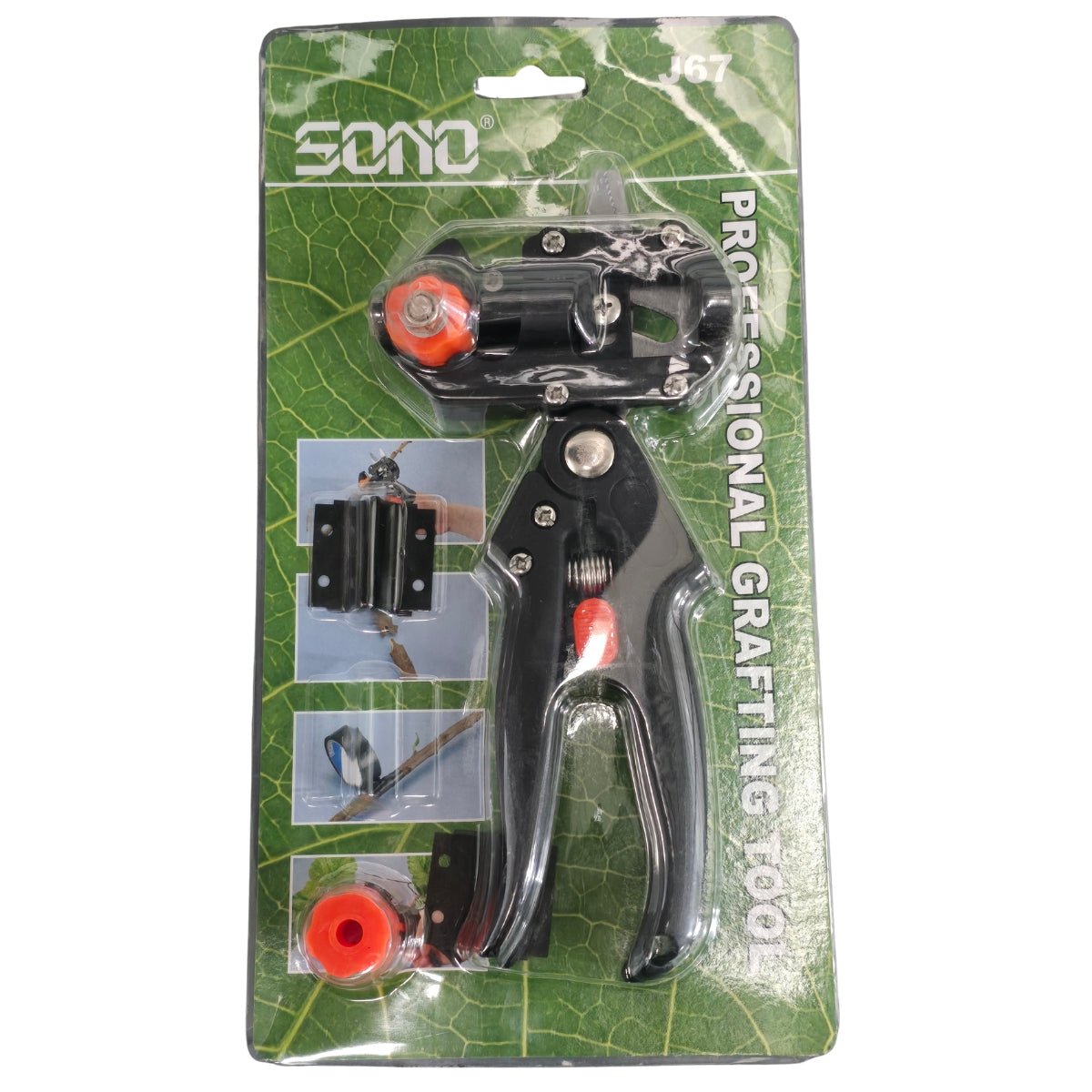
The Ryset Garden Grafter GT571 is an easy-to-use grafting pliers tool designed to help gardeners and hobby grafters create clean, matching graft cuts with confidence. Featuring a V-shaped blade and anvil-style cutting action, this grafting tool makes it simple to cut both the scion and rootstock so they fit together neatly for joining.
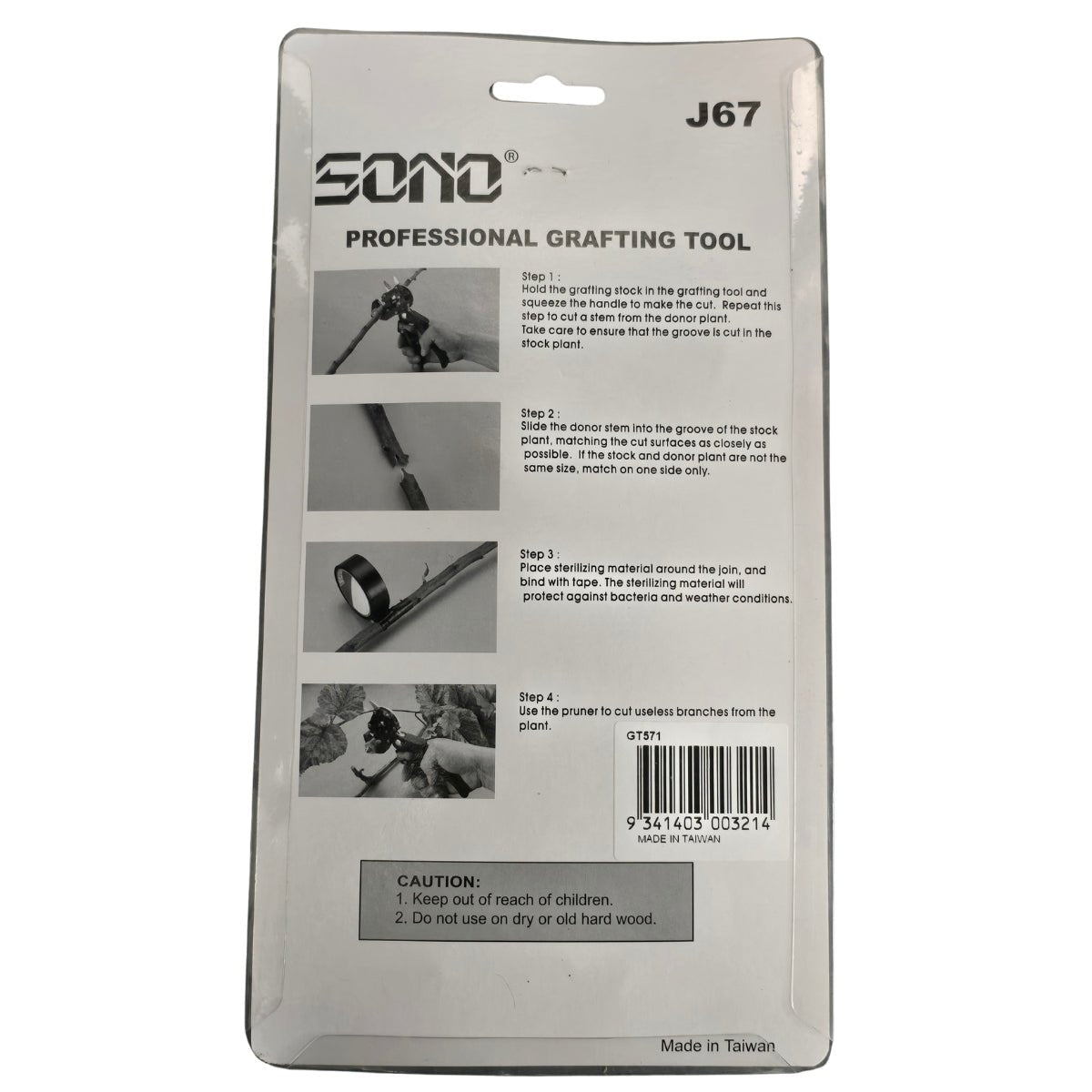
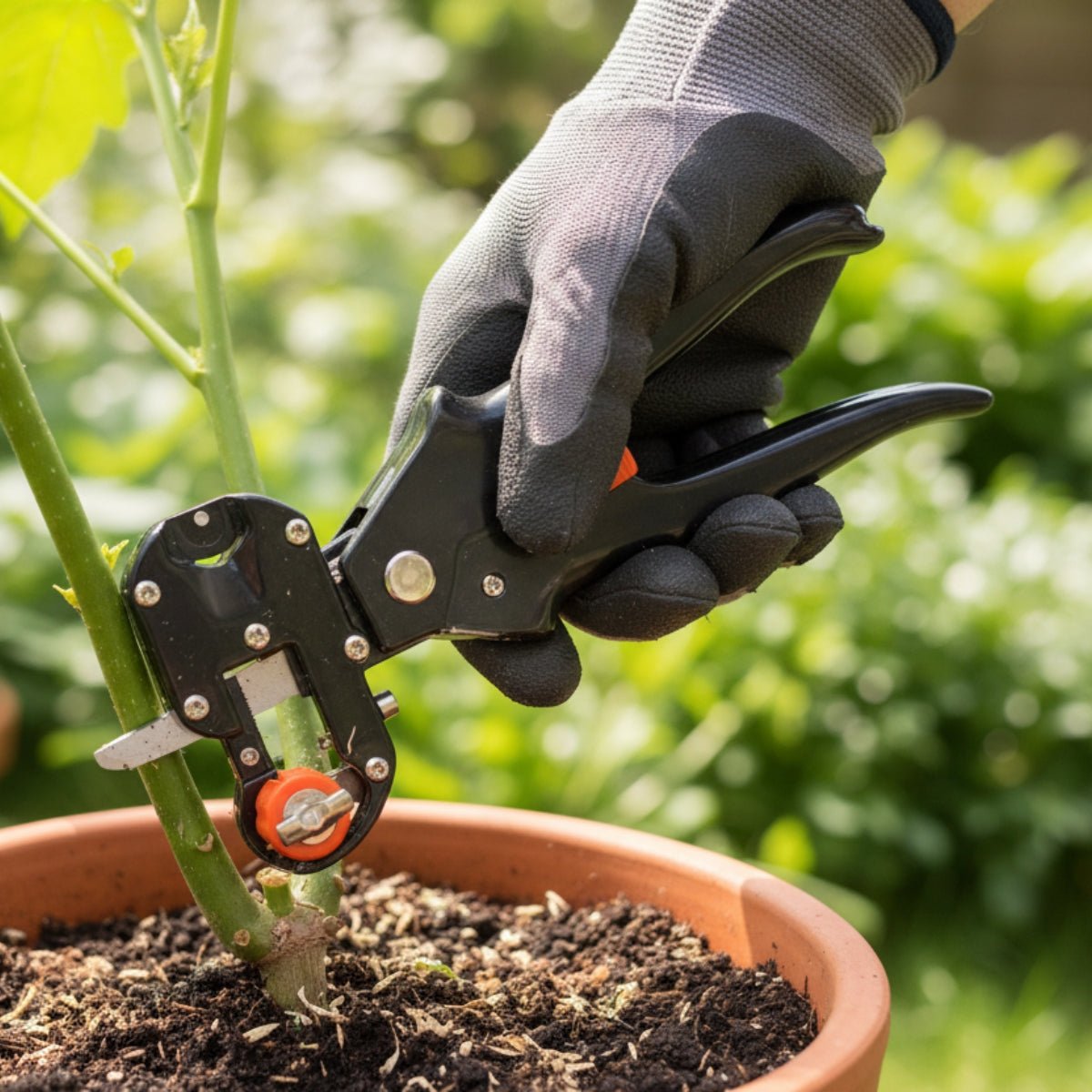
Simply place the scion on the anvil, squeeze the pliers to cut a precise V shape, then repeat the same cut on the rootstock and join the two pieces together. Designed to cut rootstock up to 14mm in diameter, the GT571 is ideal for home gardeners, fruit tree growers, nursery users, and hobby grafters wanting more consistent grafting results.
Key Features
-
Easy-to-Use Grafting Pliers
Designed to make grafting simpler, faster, and more consistent for gardeners and hobby grafters. -
V-Shaped Blade Design
Cuts a clean V shape into the scion and rootstock so both pieces can be joined neatly. -
Anvil Cutting Action
Place the plant material on the anvil and squeeze the pliers for a controlled, repeatable cut. -
Cuts Up to 14mm Diameter Rootstock
Suitable for many common grafting tasks involving young fruit trees, ornamentals, vines, and garden plants. -
Ideal for Hobby Grafters
Great for gardeners learning grafting or wanting a practical tool for seasonal propagation work. -
Helps Create Matching Cuts
Reduces the challenge of hand-cutting matching graft shapes with a knife.
Why You Should Buy
The Ryset Garden Grafter GT571 is a practical grafting tool for anyone who wants cleaner, more repeatable graft cuts. Its V-cut design helps scion and rootstock pieces fit together securely, making it easier to prepare grafts with less manual cutting.
This tool is especially useful for home orchard growers, plant collectors, nursery hobbyists, and gardeners who want to propagate plants with more confidence. With the ability to cut up to 14mm diameter rootstock, it is a handy addition to any propagation toolkit.
Best Uses
Use the Ryset Garden Grafter GT571 for:
- Grafting fruit trees
- Grafting ornamentals
- Joining scion and rootstock
- Hobby plant propagation
- Nursery grafting tasks
- Small orchard maintenance
- Vine and young plant grafting
- Creating consistent V-cut grafts
How to Use
Place the scion onto the anvil and squeeze the pliers to cut a clean V shape. Repeat the same process on the rootstock, then join the matching cuts together. Secure the graft using suitable grafting tape, film, or binding material, then follow the correct aftercare process for the plant variety being grafted.
For best results, use sharp, healthy scion wood and compatible rootstock of a suitable size.
Care Instructions
- Clean blades after use.
- Dry before storing.
- Store in a dry tool area.
- Keep the blade sharp and free from sap build-up.
- Avoid cutting material larger than the recommended 14mm diameter.
- Keep out of reach of children.
Lifestyle Section
Whether you are grafting fruit trees in a backyard orchard, experimenting with plant propagation, or learning traditional grafting techniques, the Ryset Garden Grafter GT571 helps make the process more accessible. Its simple plier-style action is ideal for gardeners who want clean, accurate cuts without relying solely on freehand knife work.
FAQs
What is the Ryset Garden Grafter GT571 used for?
It is used for cutting matching V-shaped grafts into scion wood and rootstock so they can be joined together for plant grafting.
What type of blade does it have?
It features a V-shaped grafting blade.
How does it work?
Place the scion on the anvil, squeeze the pliers to cut a V shape, then repeat on the rootstock and join the two pieces.
What size rootstock can it cut?
It can cut rootstock up to 14mm in diameter.
Is it suitable for beginners?
Yes, it is designed to be easy to use and is ideal for gardeners and hobby grafters.
Can I use it for fruit trees?
Yes, it is suitable for many fruit tree grafting tasks where the scion and rootstock are compatible and within the tool’s cutting capacity.
Do I need grafting tape?
Yes, after joining the scion and rootstock, the graft should usually be secured with suitable grafting tape, film, or binding material.