


Anthurium ‘Renaissance’ Variegated – Rare Collector Aroid with Marbled Foliage
- Regular price
-
$39.90 - Regular price
-
$49.90 - Sale price
-
$39.90
Couldn't load pickup availability
Shipping information & Pickup
Shipped from Wardell, NSW. Shipping is calculated at checkout by weight, cubic weight and location.
Standard delivery is usually 2–8 business days. WA, NT and TAS may take 14–30 business days due to biosecurity inspection.
Free Local Pickup: Enter 1335 Wardell Road, Wardell NSW 2477 as the delivery address at checkout to display this option. Free delivery is available within 2 km. Travelling through or need something urgently? Contact us first, as some items may need to be ordered in.
Returns
If you aren't happy with your order. we accept returns.

Description
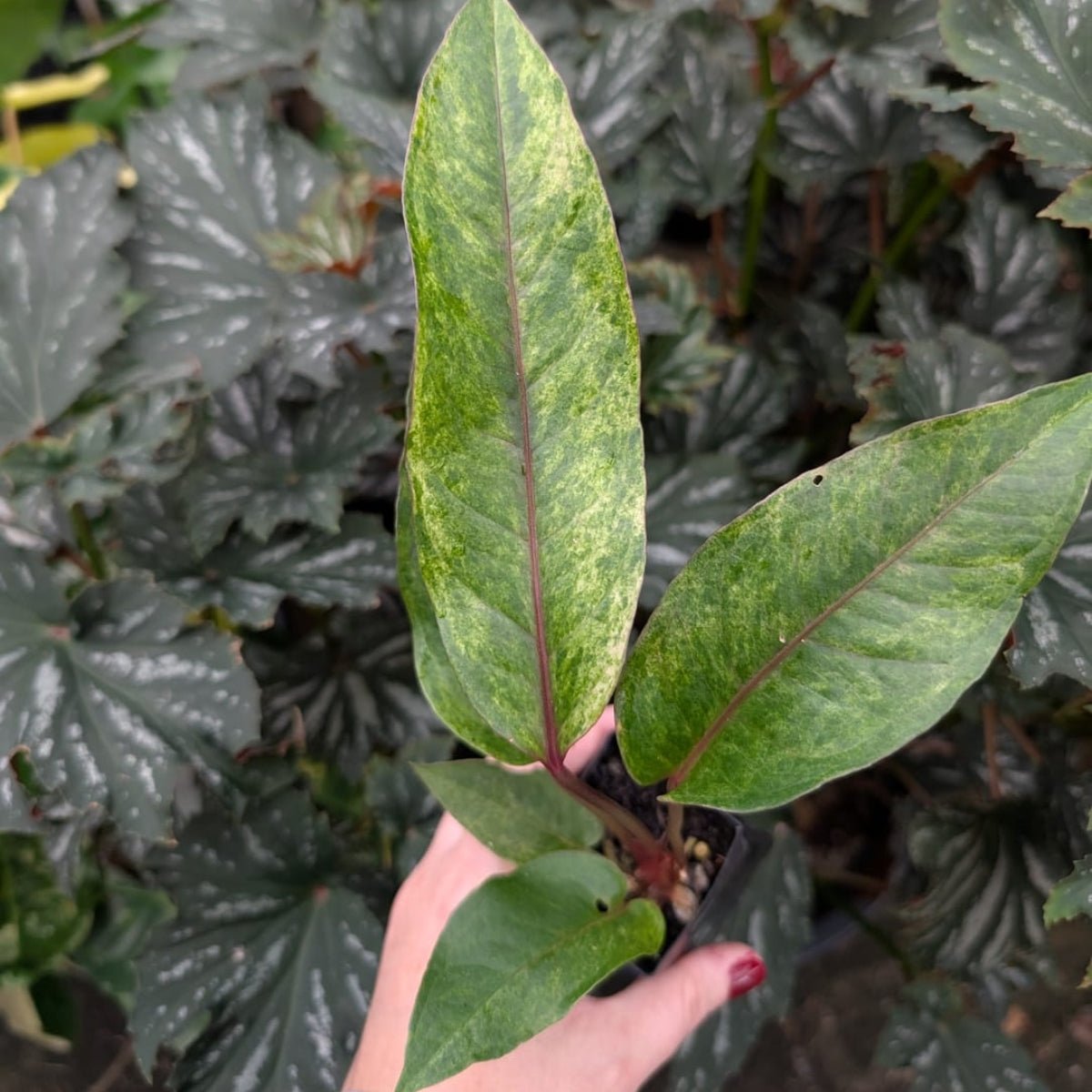
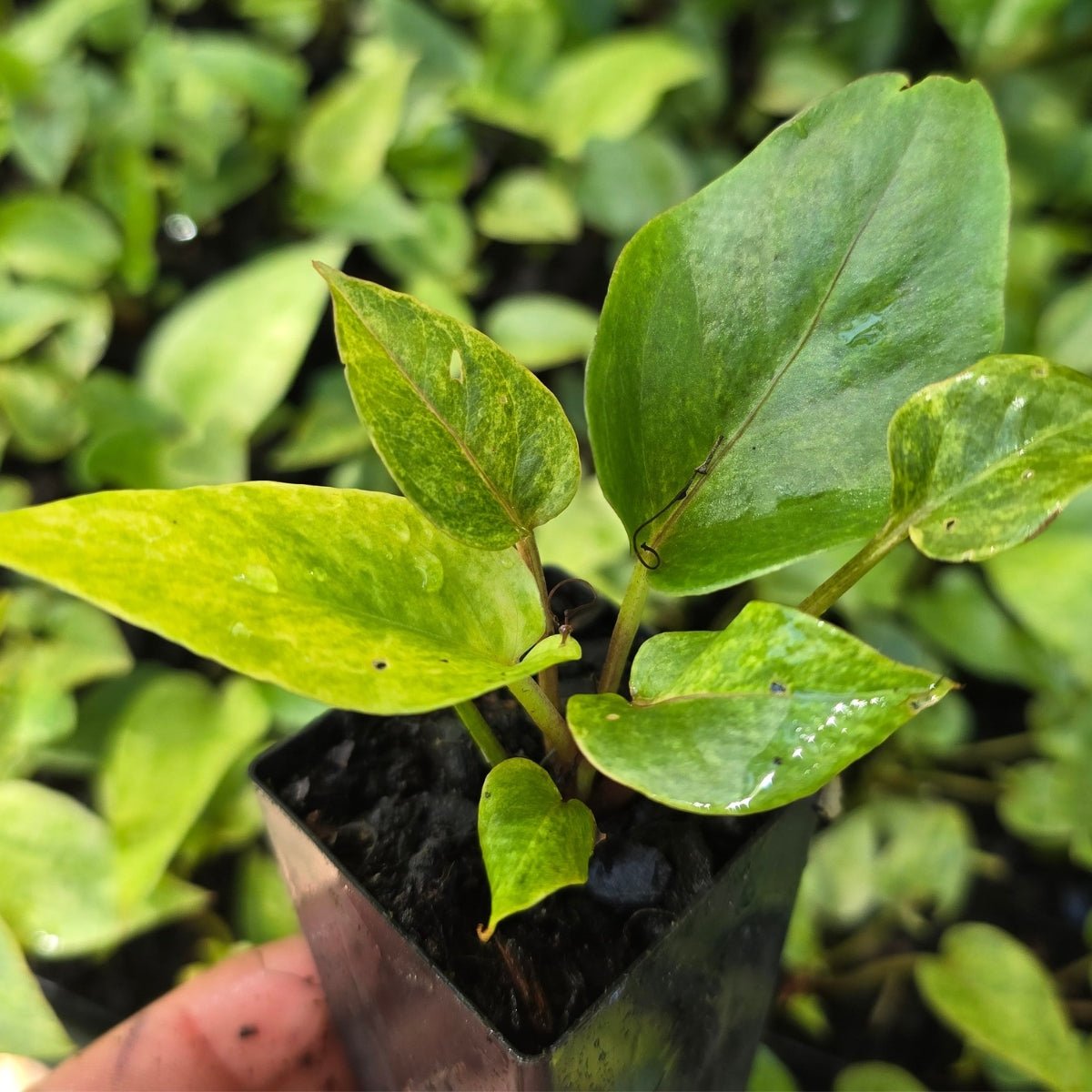
The Anthurium ‘Renaissance’ Variegated is a striking and highly collectible tropical plant celebrated for its bold, marbled variegation across broad, glossy leaves. A true statement piece for serious collectors, this variety combines deep emerald green tones with irregular creamy-white and mint patterns, often resembling painted brush strokes.
With its dramatic leaf architecture and elegant growth habit, the Renaissance Anthurium brings modern art to plant form — perfect for styling in luxury interiors, plant shelves, or as the centerpiece in a rare foliage collection. Thrives in warm, humid, and brightly lit spaces.
Supplied in 50mm Pots
Features
-
Botanical Name: Anthurium hybrid (often referred to as ‘Renaissance Variegated’)
-
Foliage Type: Large, leathery, heart-shaped to elongated leaves
-
Variegation: Cream, mint, and green brushstroke-style marbling
-
Growth Habit: Upright and symmetrical with moderate height potential
-
Collector Grade: Rare and difficult to source; prized in the aroid community
-
Interior Styling: A luxury statement plant for high-end plant displays
Why You Should Buy
-
Exclusive Rarity: A rare gem in the Anthurium world — ideal for collectors
-
Stunning Variegation: Every leaf has its own marbled masterpiece
-
High-End Aesthetic: Complements minimalist, modern, and designer interiors
-
Tropical Impact: Brings an exotic vibe with elegant foliage form
-
Growth Potential: With the right care, develops larger and more complex leaves over time
Climate Suitability (Australia)
Best suited to warm and humid conditions, the Anthurium Renaissance thrives in:
✅ Suitable Outdoor Zones:
-
Zone 1 (Tropical) – e.g., Darwin, Cairns
-
Zone 2 (Subtropical) – e.g., Brisbane, Northern NSW
-
Zone 3 (Warm Temperate) – e.g., Sydney, Coastal Perth (with protection)
⚠️ Indoor or Greenhouse Growing:
-
Zone 4 (Cool Temperate) – e.g., Melbourne, Adelaide
-
Keep indoors during colder months
-
Ensure consistent warmth and humidity
-
Care & Maintenance
-
Light: Bright, indirect light enhances variegation; avoid direct sun
-
Watering: Keep soil evenly moist but not soggy; let top few cm dry between waterings
-
Humidity: Thrives in high humidity — mist regularly or use a humidifier
-
Soil: Use a chunky, well-aerated mix (aroid soil blend preferred)
-
Feeding: Apply balanced liquid fertiliser monthly during spring and summer
-
Potting: Choose pots with good drainage; repot annually for best growth
-
Leaf Care: Wipe leaves occasionally to remove dust and keep them glossy
FAQs
Q: Is Anthurium ‘Renaissance’ toxic to pets?
A: Yes — like most Anthuriums, it contains calcium oxalates. Best kept out of reach of pets and children.
Q: How big can it get?
A: Mature plants can reach over 60 cm in height with broad, impressive leaves under ideal conditions.
Q: Can I grow it outdoors in cooler Australian climates?
A: Only in pots that can be moved indoors during winter. It is not frost-tolerant and needs warmth year-round.
Q: How do I maintain the variegation?
A: Ensure it receives bright, filtered light. Variegation may fade if placed in low-light conditions.