


Arrived in excellent condition, thank you
Brazilian Walking Iris – Neomarica gracilis | 50mm Tube
- Regular price
-
$4.99 - Regular price
-
$7.15 - Sale price
-
$4.99
Tax included.
Shipping calculated at checkout.
Couldn't load pickup availability
Shipping information & Pickup
Shipped from Wardell, NSW. Shipping is calculated at checkout by weight, cubic weight and location.
Standard delivery is usually 2–8 business days. WA, NT and TAS may take 14–30 business days due to biosecurity inspection.
Free Local Pickup: Enter 1335 Wardell Road, Wardell NSW 2477 as the delivery address at checkout to display this option. Free delivery is available within 2 km. Travelling through or need something urgently? Contact us first, as some items may need to be ordered in.
Returns
If you aren't happy with your order. we accept returns.
Description
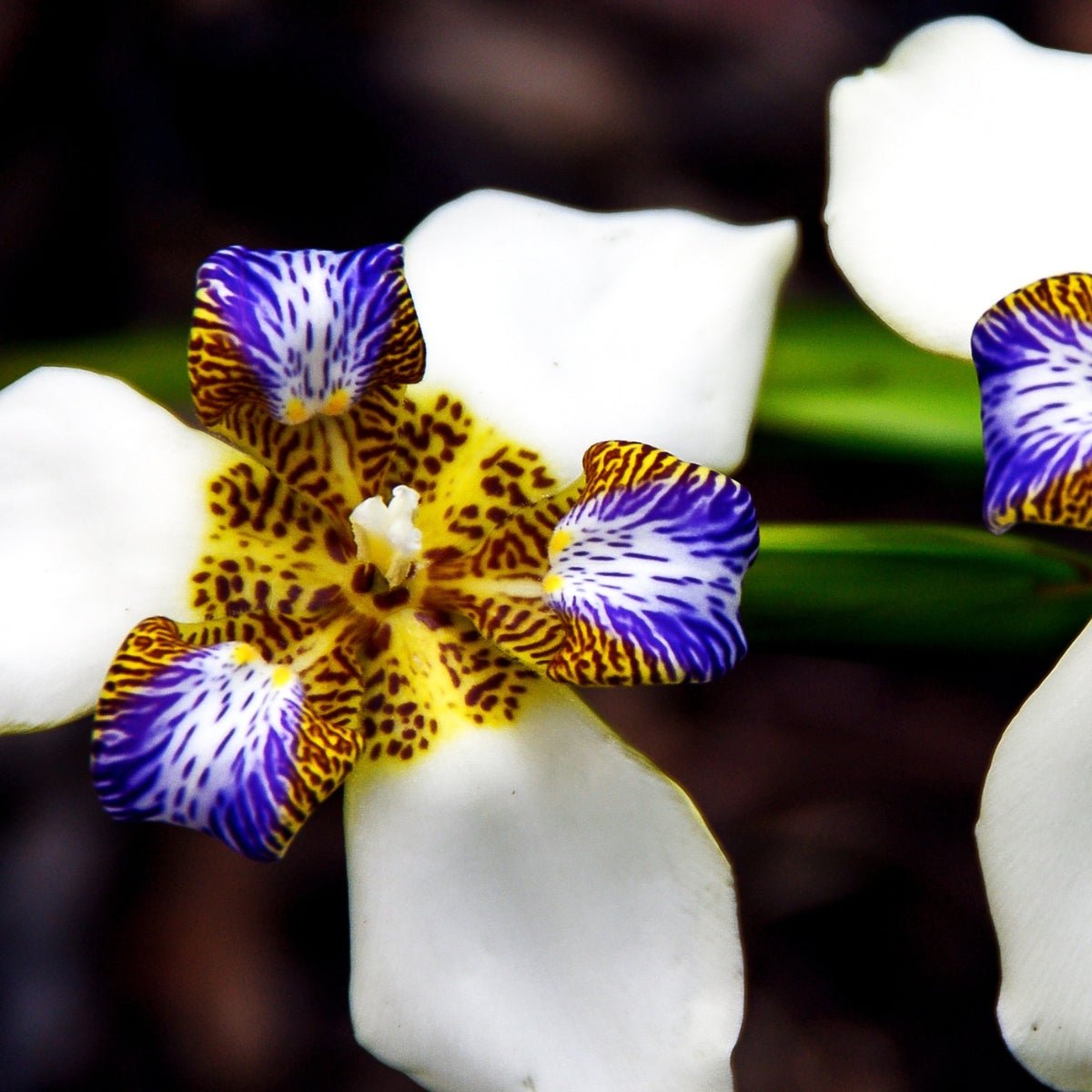
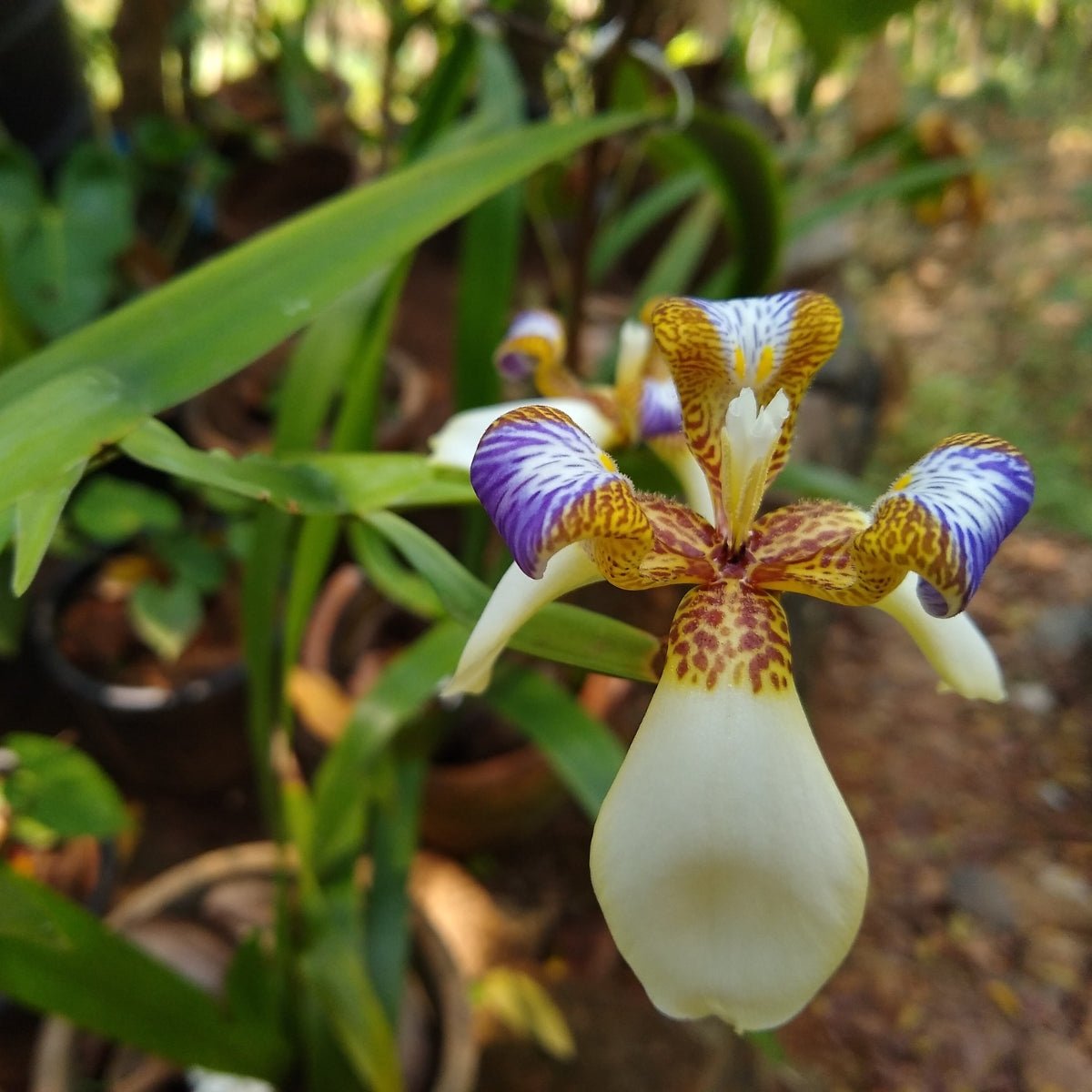
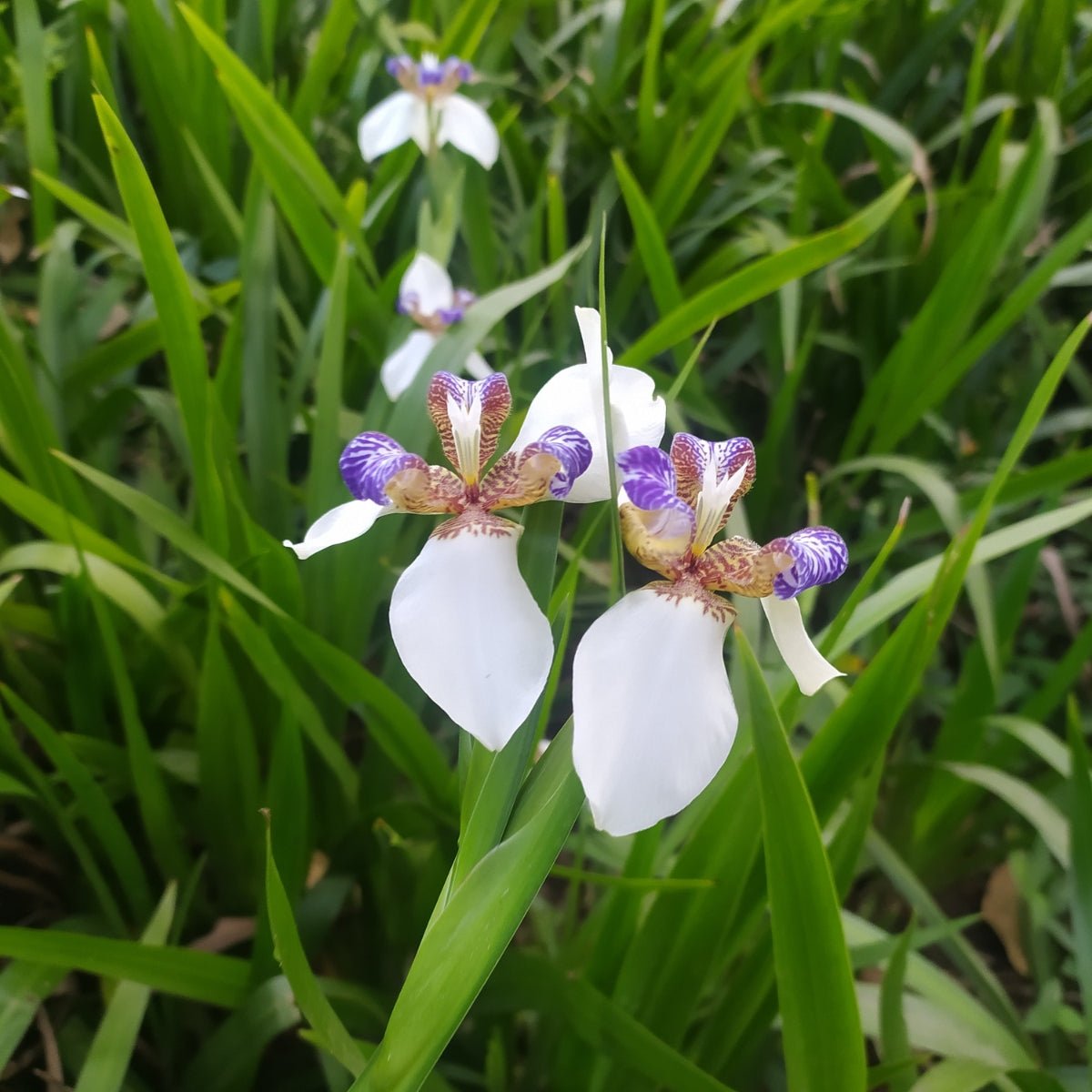
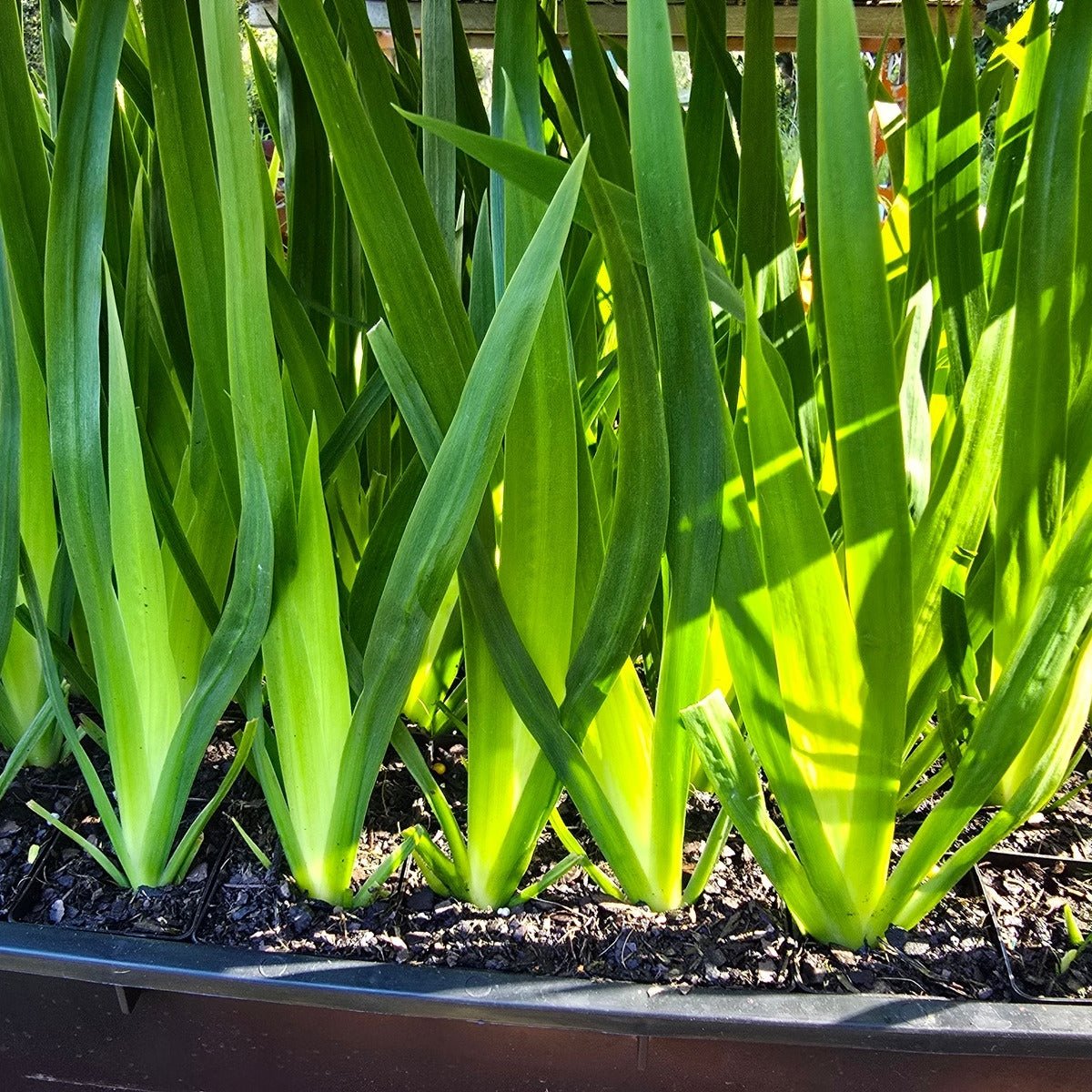
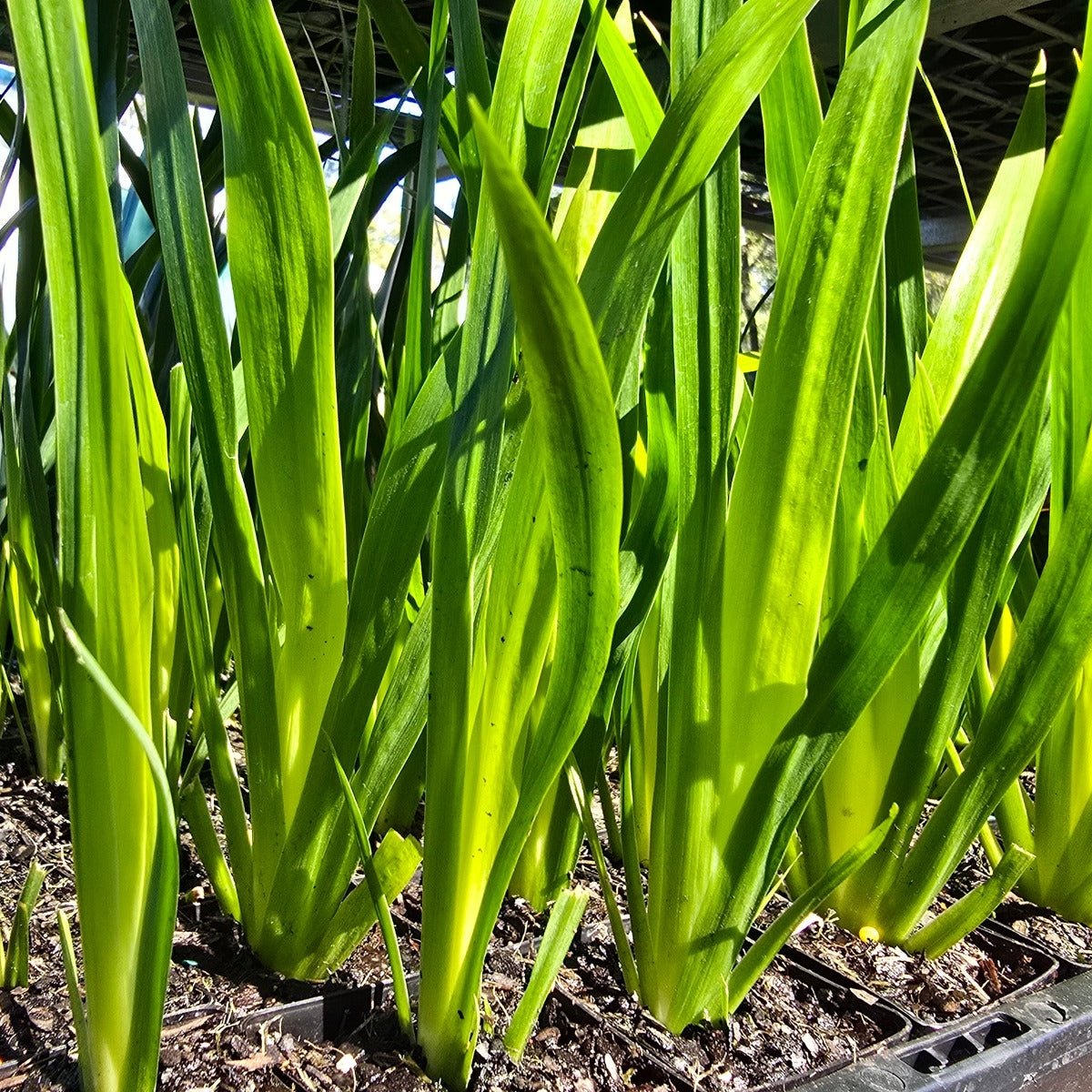
Brazilian Walking Iris is a clumping perennial with glossy, sword-shaped foliage and distinctive white flowers patterned with blue, brown and golden-yellow markings. New plantlets develop along the flowering stems, eventually bending towards the soil and creating the plant’s unusual “walking” habit.
Key Features
- Distinctive white, blue and golden patterned flowers
- Attractive dark-green strappy foliage
- Forms spreading clumps over time
- Produces plantlets along mature flowering stems
- Flowers during spring and summer
- Suitable for shaded garden beds and borders
- Can be grown in pots and containers
- Tissue-culture propagated plant
Suitable Uses
- Shaded garden beds
- Tropical and subtropical gardens
- Borders and pathway planting
- Groundcover beneath taller plants
- Mass planting
- Pots and containers
- Sheltered patios and courtyards
Plant Details
- Botanical name used in nursery trade: Neomarica gracilis
- Accepted botanical name: Trimezia gracilis
- Also sold as: Neomarica bicolor
- Common names: Brazilian Walking Iris, Walking Iris and Apostle Plant
- Family: Iridaceae
- Plant type: Clumping evergreen perennial
- Mature height: Approximately 50–80cm
- Mature width: Approximately 60cm–1m or more
- Flower colour: White with blue, brown and golden-yellow markings
- Flowering period: Spring and summer
- Position: Part shade to full shade
- Soil: Moist, fertile and free-draining
- Climate: Best in warm, humid and frost-free conditions
- Propagation method: Tissue culture
- Supplied as: One young plant in a 50mm tube pot
About the Flowers
Individual flowers generally last for only a short period, often around one day. Established plants can produce additional flowers in succession during their flowering season.
Flowering time and frequency will vary with plant maturity, climate and growing conditions.
Why Is It Called a Walking Iris?
After flowering, small plantlets can form along the ends of mature flower stems. As the plantlets grow heavier, the stems bend towards the ground, allowing the new plants to take root away from the original clump.
Remove unwanted plantlets or spent flowering stems if you do not want the plant to spread.
Planting and Care
Plant in part shade or filtered light in moist, organically enriched soil with good drainage. Water regularly during establishment and do not allow young plants to dry out completely.
Apply organic mulch around the root zone to retain moisture, keeping it clear of the plant’s crown. Protect from strong afternoon sun, frost and prolonged dry conditions.
In cooler climates, grow it in a pot that can be moved into a sheltered position during winter.
Frequently Asked Questions
What does tissue culture mean?
Tissue culture is the propagation method used to produce the plant. You will receive an acclimatised young plant growing in potting mix, not a sealed laboratory flask.
What colour are the flowers?
The flowers have white outer petals with intricate blue, brown and golden-yellow markings near the centre.
How long does each flower last?
Individual flowers are short-lived, often lasting approximately one day, but established plants may produce further blooms in succession.
Why is it called a Walking Iris?
Plantlets develop on mature flower stems, which can bend to the ground and allow the new plants to establish nearby.
Can it grow in full sun?
It performs best in part shade or filtered light. Strong direct sunlight may scorch the foliage, particularly in hot climates.
Can it be grown in a pot?
Yes. It grows well in containers with moisture-retentive but free-draining potting mix.
Is it frost hardy?
It prefers frost-free conditions. Protect the plant from frost or grow it in a movable container in colder areas.
Is this a mature flowering plant?
No. This listing is for one young tissue-cultured plant in a 50mm tube pot. It will require time to establish before flowering.
Please Note
Stock images are used for illustrative purposes only and do not show the exact plant supplied. You will receive one young plant in a 50mm tube pot. Plant size, shape, foliage and seasonal appearance will vary naturally.