


Hot Chocolate Floribunda Rose | Orange-Brown Repeat-Flowering Rose
- Regular price
-
$34.90 - Regular price
-
- Sale price
-
$34.90
Couldn't load pickup availability
-
Hurry, only 5 items left in stock!
Shipping information
Shipped from Wardell, NSW. Shipping is calculated at checkout by weight, cubic weight and location.
Standard delivery is usually 2–8 business days. WA, NT and TAS may take 14–30 business days due to biosecurity inspection.
Free local pickup is available from 1335 Wardell Road, Wardell NSW for eligible postcodes within 50km. Travelling through or need something urgently? Please contact us before ordering, as some items may need to be ordered in.
Returns
If you aren't happy with your order. we accept returns.

Description
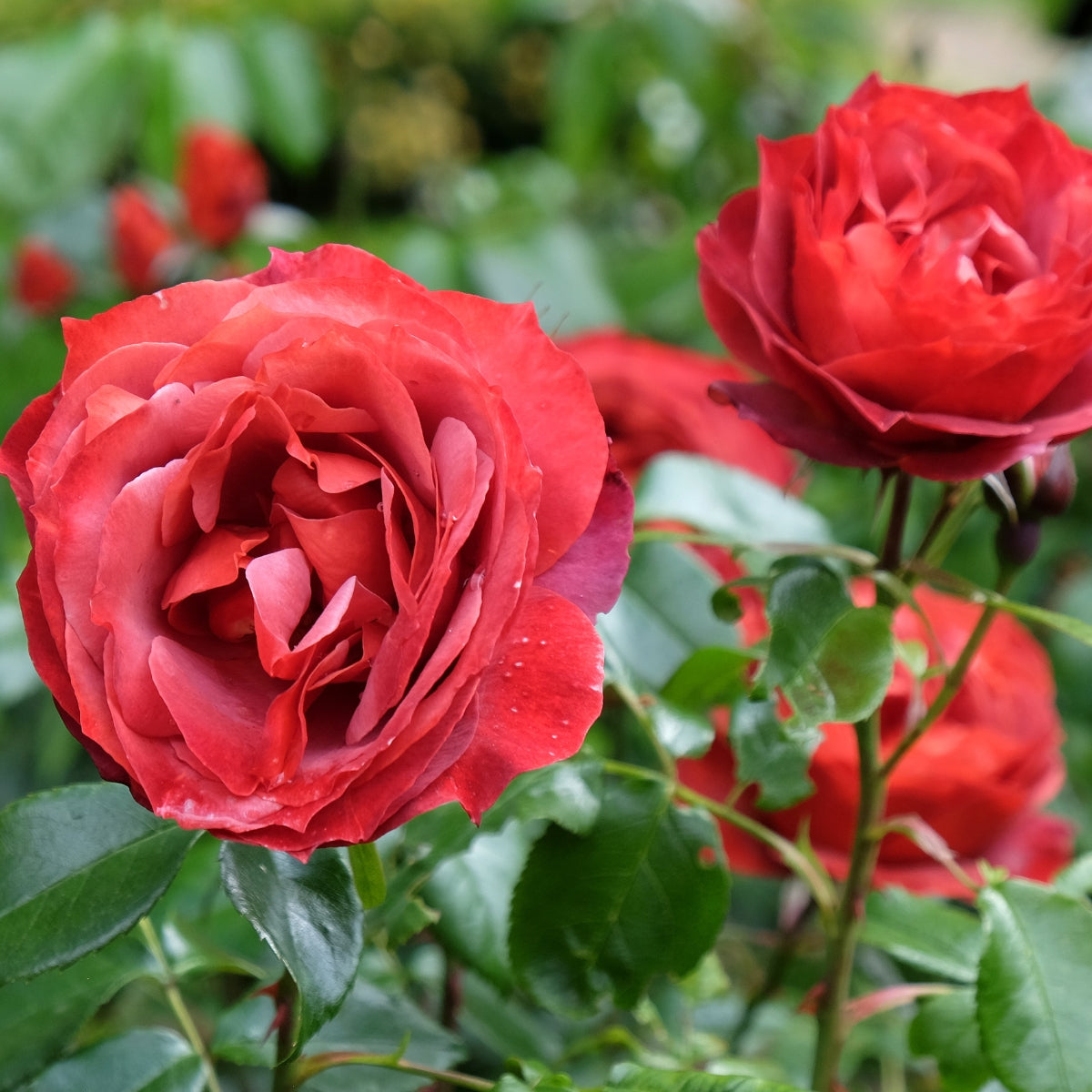
Hot Chocolate is a distinctive Floribunda rose with rich orange-red flowers displaying warm russet, chocolate-brown and smoky overtones. The unusual colouring can deepen or change subtly as each bloom matures and in different weather conditions.
Its very double flowers have a romantic, old-fashioned form and a mild fragrance. Blooms are produced in repeated flushes throughout the flowering season on a bushy, well-branched plant with leathery green foliage.
Key Features
- Unusual orange-red flowers with brown and russet overtones
- Very double, old-fashioned bloom form
- Mild fragrance
- Flowers repeatedly throughout the season
- Bushy, well-branched growth habit
- Leathery green foliage
- Excellent feature rose for warm-toned garden displays
- Suitable for garden beds, borders and large pots
Suitable Uses
- Feature planting
- Rose gardens
- Cottage gardens
- Mixed garden borders
- Warm-toned planting schemes
- Mass planting
- Large pots and containers
- Cut-flower gardens
Rose Details
| Variety | Hot Chocolate |
| Rose type | Floribunda |
| Flower colour | Orange-red with russet and brown overtones |
| Bloom form | Very double and old-fashioned |
| Fragrance | Mild |
| Flowering habit | Repeat flowering in flushes |
| Growth habit | Bushy and well branched |
| Foliage | Leathery green foliage |
| Mature height | Approximately 1.2m |
| Mature width | Approximately 1.2m |
| Position | Full sun |
| Soil | Fertile, free-draining soil |
| Water needs | Regular while establishing and during dry periods |
Flower colour, mature size and flowering performance may vary with climate, soil, sunlight and seasonal conditions.
Flower Colour
Hot Chocolate is valued for its unusual, changeable colouring. Flowers generally open in rich orange-red shades with smoky russet, copper and brown overtones.
It is not a true brown rose. The depth and balance of its colours can change as the blooms mature and may appear different depending on temperature, sunlight and growing conditions.
Planting and Care
Plant in a position receiving at least six hours of direct sunlight each day. Good sunlight and airflow help encourage strong growth, flowering and healthy foliage.
Choose fertile, free-draining soil enriched with organic matter. Water deeply after planting and continue watering regularly while the root system becomes established. Avoid allowing the plant to remain waterlogged.
Apply mulch around the root zone to help retain moisture and suppress weeds, keeping it clear of the crown and stems.
Feed with a suitable rose fertiliser during the active growing season, following the product’s application instructions. Removing spent flowers will help maintain a tidy appearance and encourage further flowering flushes.
Prune during winter or late winter to remove dead, weak, damaged or crossing growth and maintain an open, well-shaped plant. In warm climates where roses may not become fully dormant, prune during the coolest part of the year.
Spacing
Allow approximately 1.2m between plants to accommodate their mature spread and maintain airflow.
Closer spacing can create a fuller display but may require more regular pruning and monitoring for fungal problems.
Frequently Asked Questions
What colour is the Hot Chocolate rose?
The flowers are rich orange-red with warm russet, copper, smoky-brown and chocolate-coloured overtones. The precise colouring can vary with the weather and age of the bloom.
Is it a true brown rose?
No rose produces completely brown flowers. Hot Chocolate is considered a brown-toned rose because its orange-red petals develop unusual russet and smoky-brown shades.
Is Hot Chocolate fragrant?
Yes. The flowers have a mild fragrance.
Does it flower more than once?
Yes. It is a repeat-flowering Floribunda that produces blooms in flushes throughout the flowering season.
How large will it grow?
Hot Chocolate can reach approximately 1.2m high and 1.2m wide under suitable conditions.
What does Floribunda mean?
Floribunda roses generally produce flowers in clusters and bloom repeatedly throughout the season, creating a longer and fuller garden display.
Does it need full sun?
Yes. Plant it where it will receive at least six hours of direct sunlight each day. Adequate sunlight supports stronger growth and more abundant flowering.
Can it be grown in a pot?
Yes. Choose a large container with generous drainage holes and use a premium-quality potting mix. Container-grown roses require more frequent watering and feeding than roses planted in the ground.
Is it suitable for cut flowers?
Yes. Its unusual colouring and very double flowers make it an attractive addition to floral arrangements, although it is primarily grown for its repeated garden display.
Will every flower look exactly the same?
No. The balance of orange, red, russet and brown tones can change with temperature, sunlight, seasonal conditions and the age of each bloom.
When should it be pruned?
Prune during winter or late winter, depending on the local climate. Remove dead, weak and crossing growth, then shorten healthy stems to maintain a balanced, open shape.
Will the plant arrive in flower?
Not necessarily. Flowering and foliage depend on the plant’s maturity, season and growing conditions. Roses supplied during winter may be dormant or have little to no foliage.
Please Note
Images are provided for illustrative purposes and may not show the exact plant supplied. Flower colour can vary naturally with climate, temperature, sunlight and bloom maturity.
The plant’s size, shape, foliage and flowering stage will vary depending on the season. Roses supplied during their dormant period may arrive without leaves or flowers.