


Kalamata Olive Tree | Olea europaea ‘Kalamata’
- Regular price
-
$8.90 - Regular price
-
$10.00 - Sale price
-
$8.90
Couldn't load pickup availability
Shipping information & Pickup
Shipped from Wardell, NSW. Shipping is calculated at checkout by weight, cubic weight and location.
Standard delivery is usually 2–8 business days. WA, NT and TAS may take 14–30 business days due to biosecurity inspection.
Free Local Pickup: Enter 1335 Wardell Road, Wardell NSW 2477 as the delivery address at checkout to display this option. Free delivery is available within 2 km. Travelling through or need something urgently? Contact us first, as some items may need to be ordered in.
Returns
If you aren't happy with your order. we accept returns.
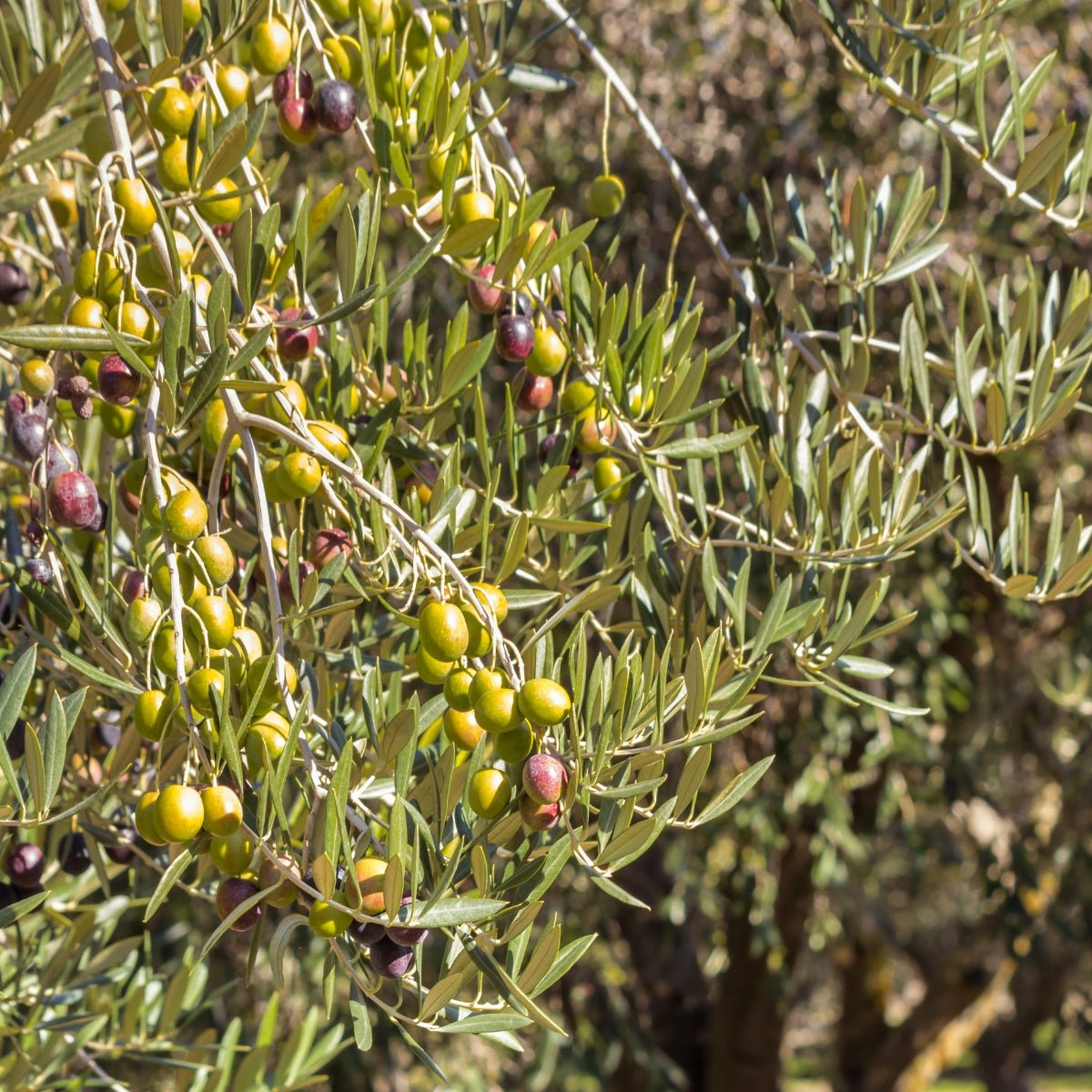
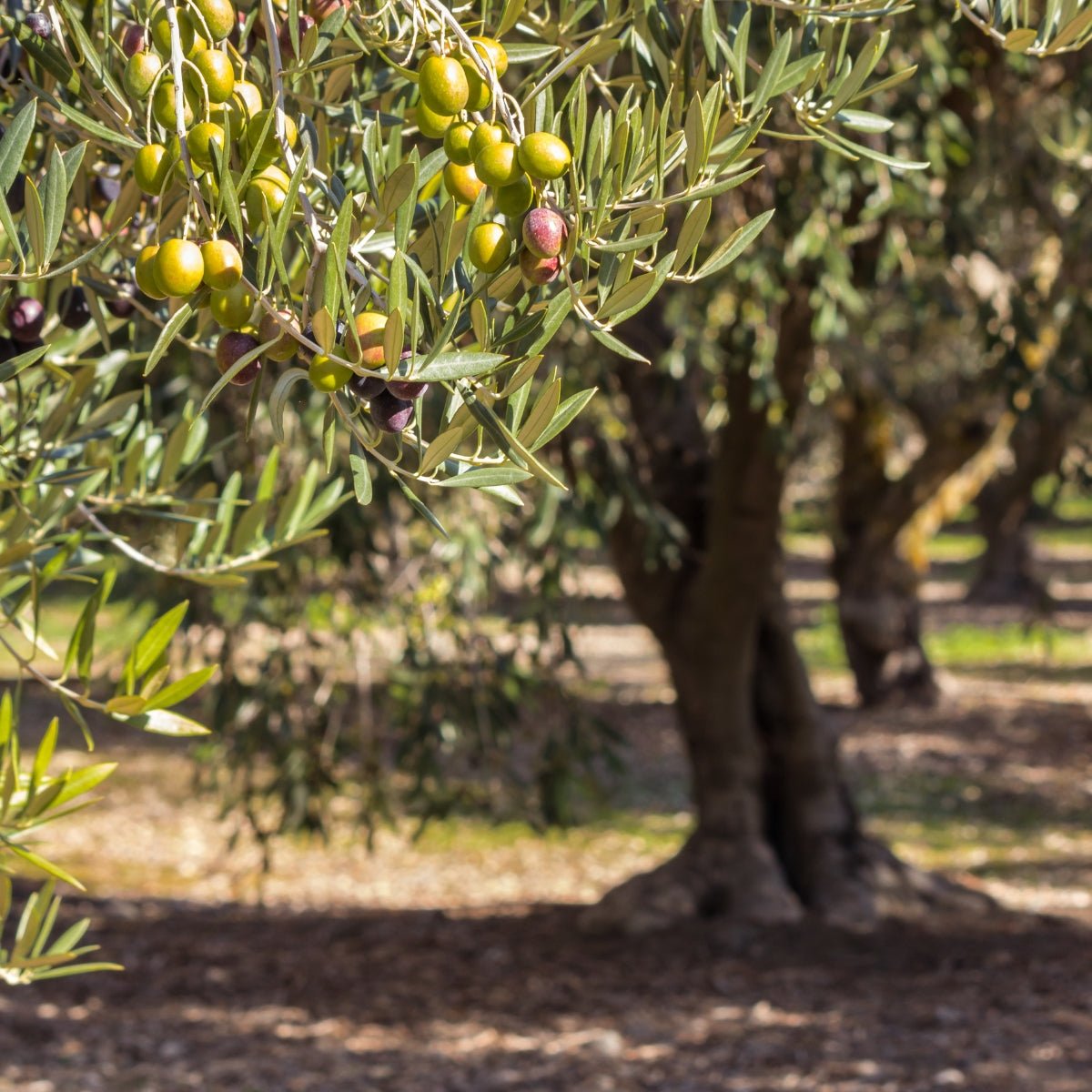
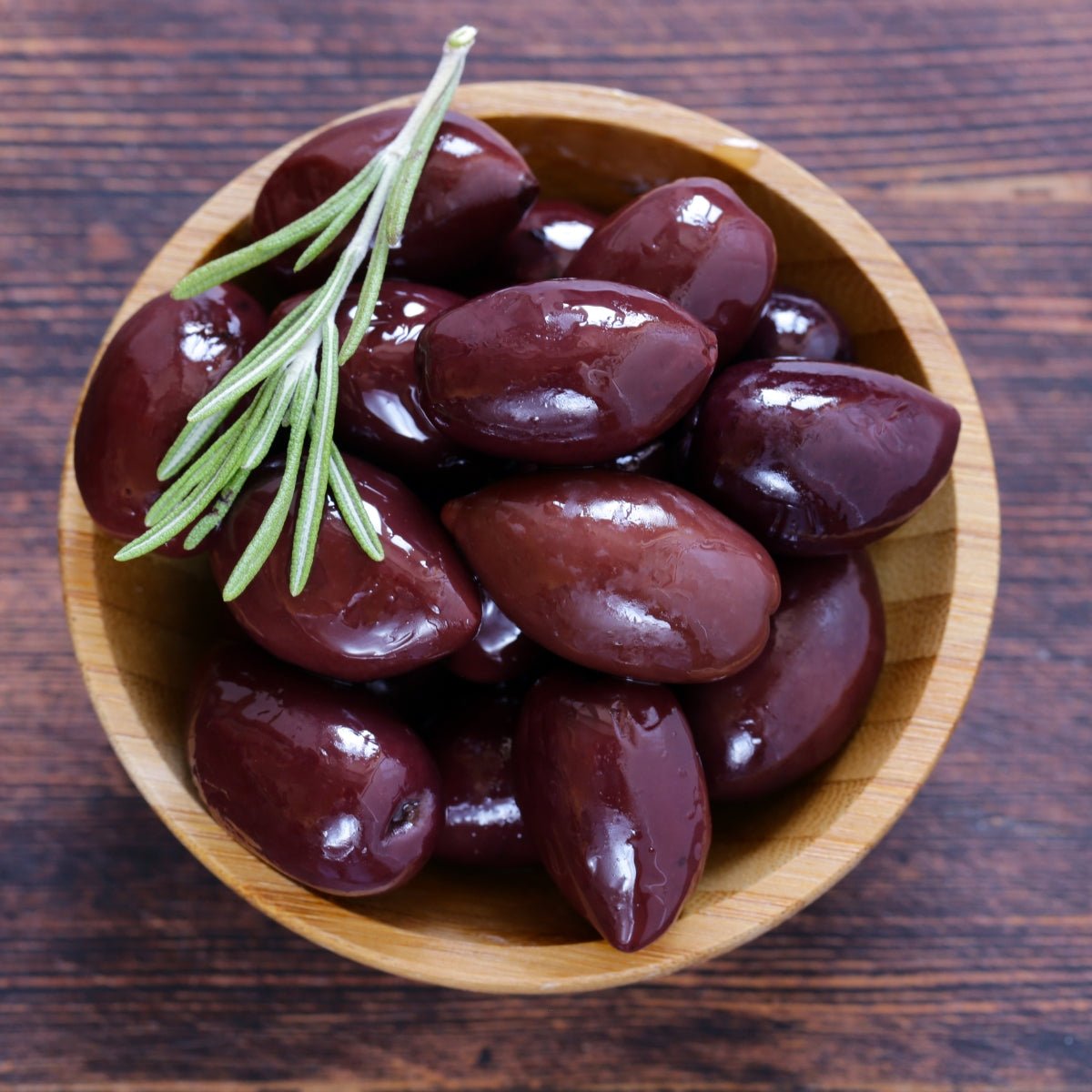
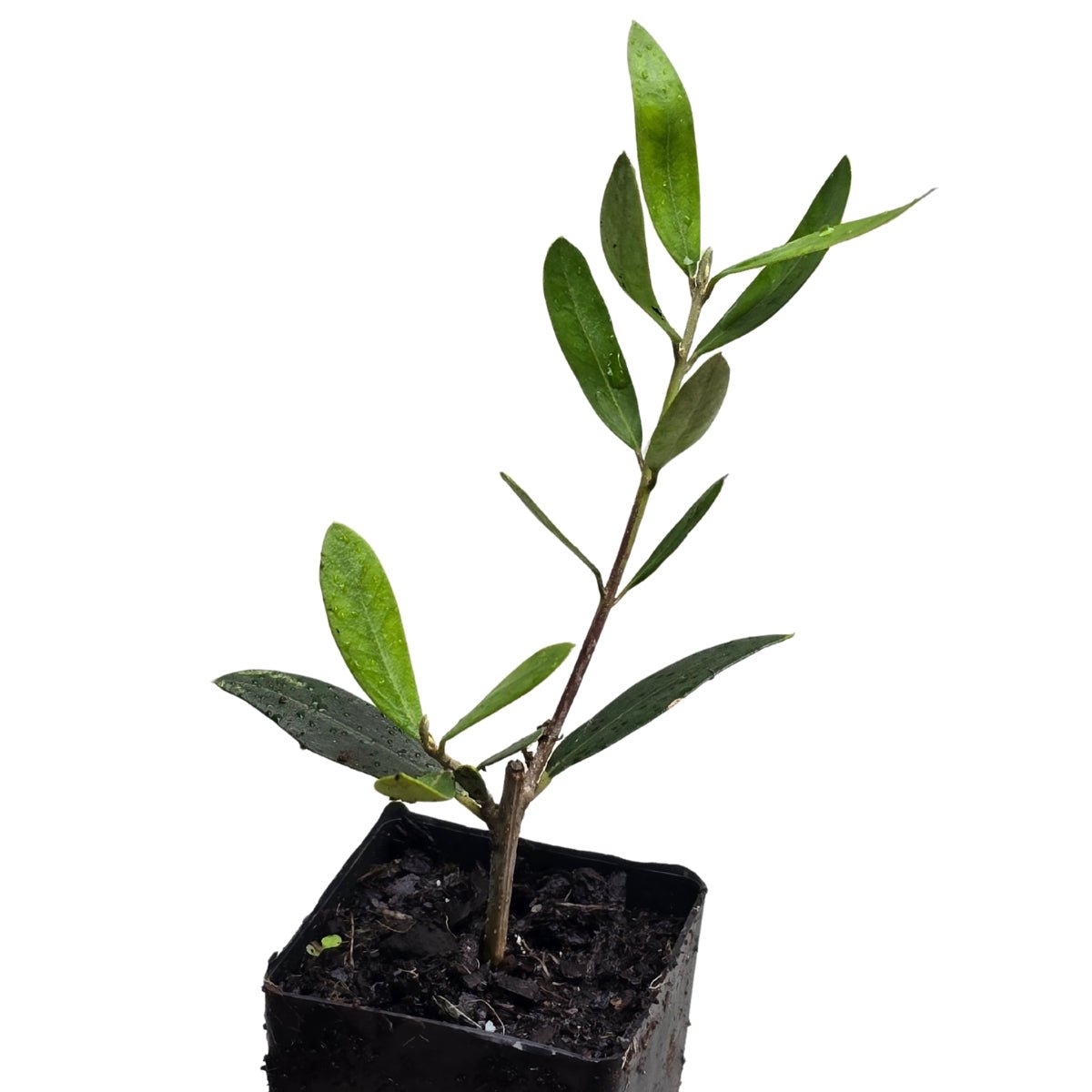

Description
Grow one of the world’s best-known table olives with Kalamata Olive, a productive evergreen tree valued for its attractive silver-green foliage and large, almond-shaped fruit.
The olives develop from green to deep purple-black as they mature. They are particularly popular for curing in brine, vinegar or oil and are known for their rich flavour and firm, fleshy texture.
Originally selected in Greece, Kalamata is primarily grown as a table olive, although the fruit may also be pressed for oil.
Plant Size Note
Supplied as a young plant in a 42mm tube.
Plants supplied in 42mm tubes are small starter plants and will require several growing seasons to establish and develop before reaching fruiting maturity.
Plants will not necessarily be flowering or carrying fruit when dispatched. Height, branching, foliage and seasonal appearance will vary naturally between individual plants.
Features
- Olea europaea ‘Kalamata’
- Popular Greek table olive cultivar
- Large, almond-shaped fruit
- Fruit matures from green to deep purple-black
- Firm, fleshy fruit suitable for curing
- Attractive evergreen foliage
- Dark green leaves with silvery undersides
- Upright to spreading growth habit
- Small creamy-white flowers
- Wind-pollinated
- Drought tolerant once established
- Suitable for Mediterranean-style gardens
- Can be maintained at a smaller size through pruning
- Suitable for gardens, orchards and large containers
- Supplied in a 42mm tube
Important Olive Processing Warning
Olives must not be eaten directly from the tree.
Fresh olives are extremely bitter and require appropriate curing or processing before consumption.
Common processing methods include brining, dry-salting, water curing and curing with vinegar or oil. Always follow a recognised food-safe olive-curing method before eating home-grown fruit.
Fruit
Kalamata produces large, elongated to almond-shaped olives.
The fruit begins green and gradually develops its characteristic reddish-purple to deep purple-black colouring as it matures.
Kalamata olives are commonly used for:
- Brine curing
- Vinegar curing
- Preserving in olive oil
- Tapenade
- Salads
- Pasta dishes
- Mediterranean cooking
- Olive oil production
Fruit size, colour and crop quantity will vary depending on climate, pollination, plant maturity, pruning and seasonal conditions.
Pollination
Olive flowers are primarily wind-pollinated.
Kalamata may produce some fruit when planted alone, but planting another compatible olive cultivar nearby can improve pollination and fruit set.
Coratina and Koroneiki are commonly suggested as cross-pollinating varieties for Kalamata. Flowering times and pollination compatibility can vary between regions, so planting a second variety does not guarantee a crop.
For reliable home fruit production, plant at least two compatible olive cultivars within approximately 30m of each other where space allows.
Mature Size
When allowed to develop naturally, Kalamata Olive can eventually grow approximately:
- Height: 4–8m
- Width: 3–5m
Size will vary depending on climate, soil, watering and pruning. Some established trees may grow larger under ideal conditions.
Regular pruning can maintain the tree at approximately 2–4m high for easier harvesting and management. Australian nursery specifications commonly list Kalamata as a medium to large evergreen tree capable of reaching several metres in height.
Planting & Care
Plant Kalamata Olive in full sun.
A position receiving at least six hours of direct sunlight will support healthy growth, flowering and fruit development.
Choose free-draining soil. Olive trees tolerate relatively poor and rocky soils once established but do not perform well where water remains around the roots.
In heavy clay or high-rainfall locations, improve the drainage or plant the tree into a raised mound.
Plant at approximately the same depth that it was growing in its tube. Avoid burying the stem or planting the root ball too deeply.
Water thoroughly after planting and maintain regular moisture while the young tree establishes. A young plant in a 42mm tube should not be allowed to dry out completely during its initial growing period.
Once established, olive trees develop good drought tolerance. Occasional deep watering during extended dry weather will support stronger growth and fruit development.
Apply mulch around the root zone to retain moisture and suppress weeds. Keep mulch several centimetres away from the trunk.
Climate
Kalamata Olive performs best in climates with:
- Warm to hot summers
- Cool winters
- Plenty of direct sunlight
- Free-draining soil
- Good airflow
- Relatively dry conditions during flowering and fruit ripening
It is best suited to Mediterranean and warm-temperate climates.
It can grow in subtropical areas, but fruiting may be less reliable in locations with very mild winters, high humidity or prolonged summer rainfall. In humid climates, provide maximum sunlight, excellent drainage and strong airflow around the canopy.
Young trees should be protected from severe frost. Established olive trees generally develop improved cold tolerance, although flowers and young growth may still be damaged by late frost.
Flowering & Fruiting
Small creamy-white flowers generally appear during spring.
Fruit develops after successful pollination and commonly matures from late summer through autumn or early winter, depending on the local climate and the desired stage of harvest.
Fruit may be harvested green for some curing methods or left to develop its characteristic dark purple-black colour.
Olive trees can naturally produce heavier crops in some years and lighter crops in others. Kalamata is known to display alternate-bearing behaviour, meaning crop quantity may vary significantly from one season to the next.
Pruning
Tip prune young trees where required to encourage branching and develop a strong framework.
Once established:
- Remove dead, damaged or crossing branches
- Remove growth crowded through the centre
- Maintain an open canopy with good airflow
- Control height for easier harvesting
- Remove suckers growing from the trunk or base
Prune lightly after harvest or during late winter before strong spring growth begins.
Avoid excessive pruning, as olives produce flowers and fruit on the previous season’s growth.
Feeding
Apply a balanced fertiliser during spring as new growth begins.
Avoid applying excessive nitrogen, as this may encourage vigorous foliage growth at the expense of flowering and fruit development.
Young plants can be fed lightly with a controlled-release fertiliser according to the product directions.
Established trees may also benefit from compost or well-rotted organic matter applied around the root zone.
Growing in Pots
Kalamata Olive can be grown in a large container, although it will require regular pruning and eventually develop into a substantial tree.
Begin by transferring the young plant into a container only slightly larger than its existing root system. Avoid placing a small 42mm-tube plant directly into an excessively large pot.
Use a premium free-draining potting mix and a sturdy container with clear drainage holes.
Place the pot in full sun.
Container-grown olives require:
- Regular watering
- Excellent drainage
- Seasonal feeding
- Occasional root and canopy pruning
- Gradual movement into larger pots
Allow the upper layer of potting mix to begin drying between watering, but do not allow a young tree to remain completely dry for long periods.
Landscape Uses
Kalamata Olive is suitable for:
- Home orchards
- Edible gardens
- Mediterranean gardens
- Feature tree planting
- Courtyards
- Large containers
- Driveway planting
- Avenue planting
- Informal screening
- Rural and acreage gardens
- Espalier training
- Productive gardens
Allow approximately 4–6m between trees when planting as individual fruiting or feature trees.
Closer spacing may be used where trees will be regularly pruned or trained as an orchard row.
Biosecurity & Shipping
State, territory and regional biosecurity restrictions may apply to live olive plants.
Please check whether this plant can be sent to your delivery address before ordering. Orders placed for restricted destinations may need to be cancelled and refunded.
Biosecurity requirements can change without notice.
Product Details
Botanical Name: Olea europaea ‘Kalamata’
Alternative Cultivar Name: Kalamon
Common Name: Kalamata Olive
Plant Type: Evergreen fruiting tree
Supplied As: Young live plant in a 42mm tube
Origin: Greece
Primary Use: Table olive
Flower Colour: Creamy white
Fruit Colour: Green, ripening to reddish-purple or deep purple-black
Fruit Shape: Large and almond-shaped
Foliage: Dark green with silvery undersides
Growth Habit: Upright to spreading
Mature Height: Approximately 4–8m
Mature Width: Approximately 3–5m
Flowering Time: Spring
Harvest Time: Generally late summer through autumn or early winter
Pollination: Wind-pollinated; another compatible cultivar may improve fruit set
Suggested Pollinators: Coratina or Koroneiki
Aspect: Full sun
Soil: Free-draining soil
Watering: Regular while establishing; drought tolerant once mature
Pruning: Light annual pruning to control size and improve airflow
Uses: Table fruit, oil production, home orchards and feature planting
Important Note
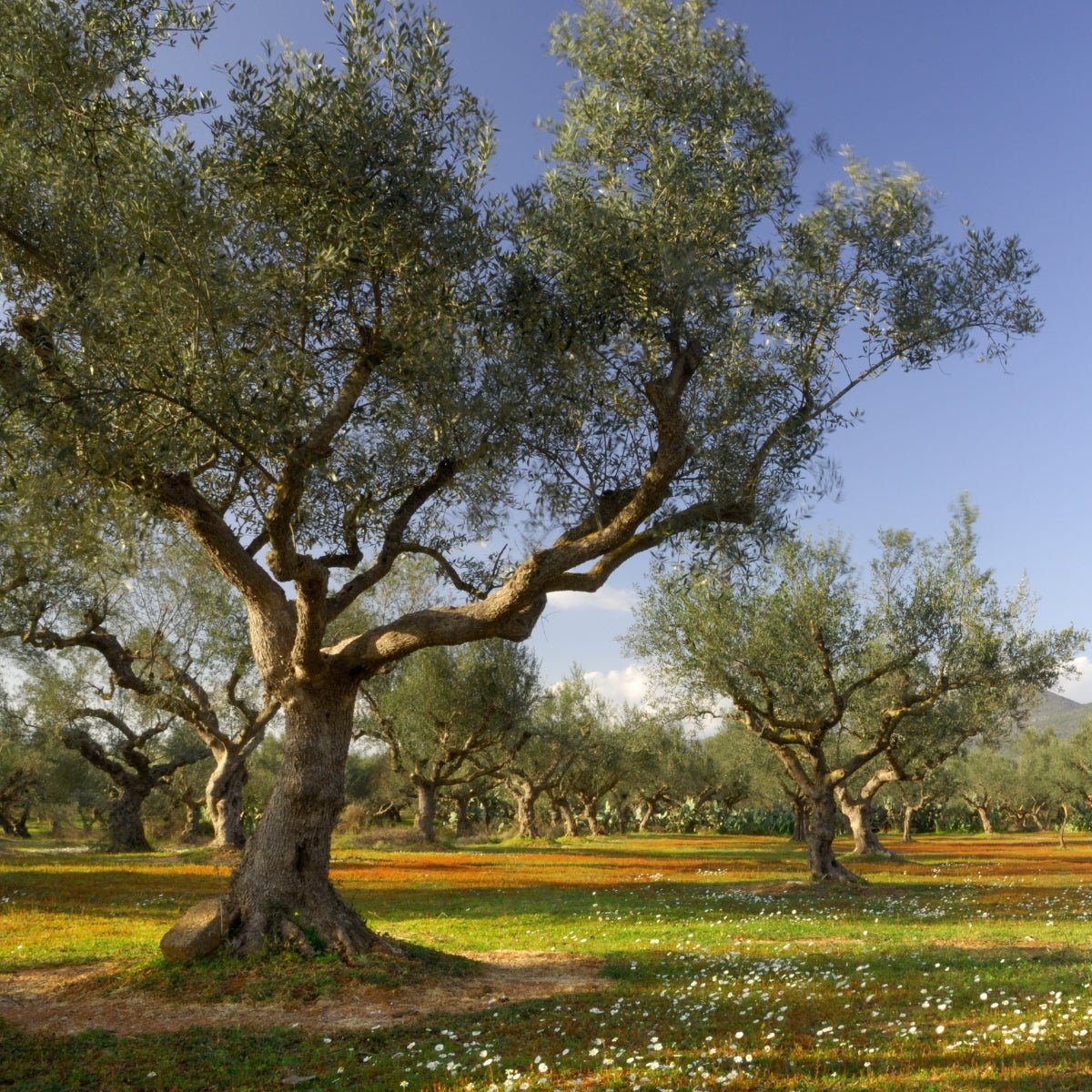
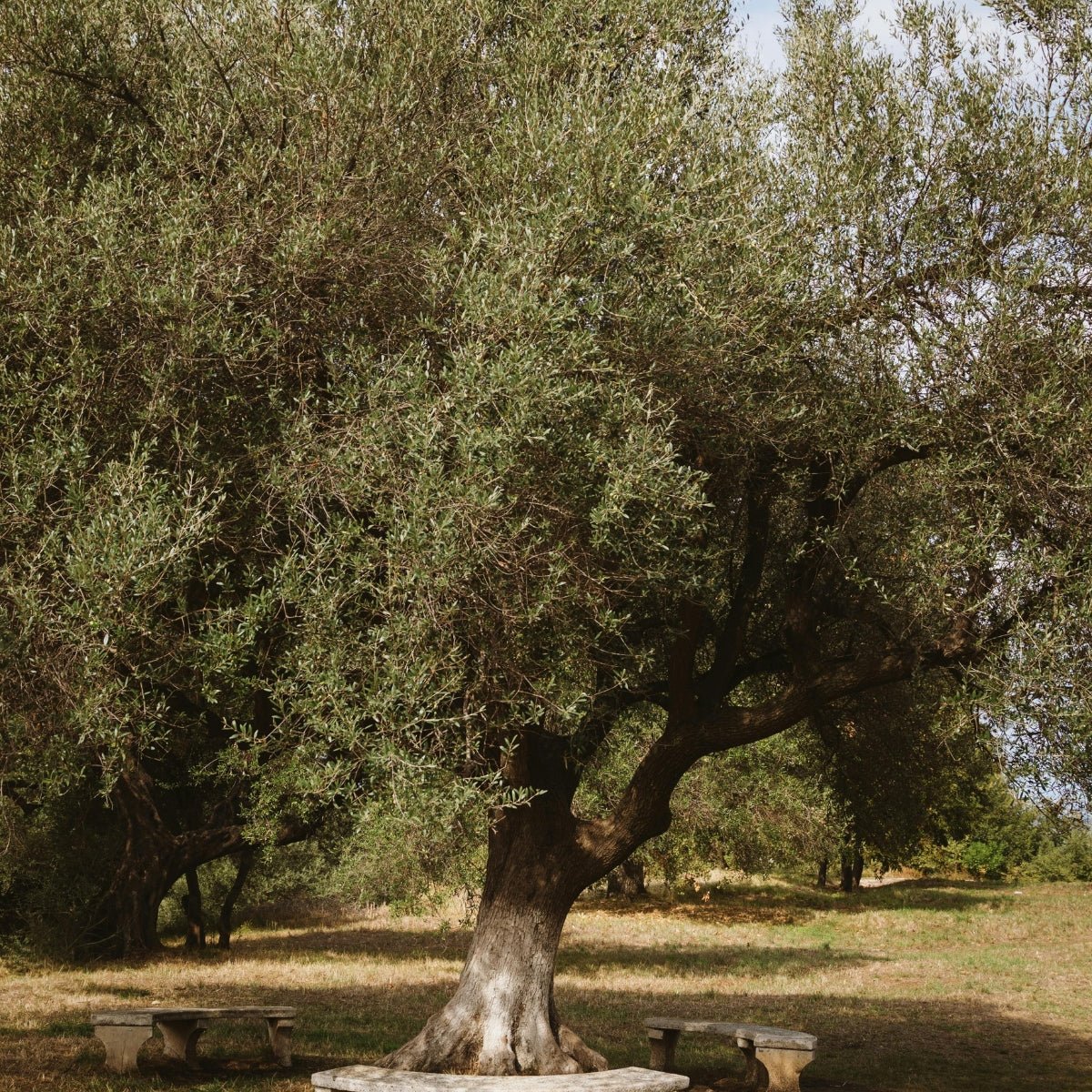
Images show mature established trees and developed fruit and are provided as examples only.
You will receive a young starter plant in a 42mm tube. It may have limited branching and is unlikely to be flowering or carrying fruit when dispatched.
The time required to produce fruit will depend on plant maturity, propagation method, climate, pollination and growing conditions.
Fruit production, fruit size and annual crop quantity cannot be guaranteed.
FAQ
What size plant will I receive?
You will receive a young Kalamata Olive plant supplied in a 42mm tube.
Will the plant arrive with olives?
No guarantee can be made. A plant supplied in a 42mm tube is young and is unlikely to be carrying mature fruit.
How long will it take to produce olives?
A young starter plant will generally require several growing seasons to establish before producing a useful crop. Timing depends on plant maturity, climate, pollination and care.
Can Kalamata olives be eaten directly from the tree?
No. Fresh olives are extremely bitter and must be properly cured or processed before they are eaten.
What colour are Kalamata olives?
They begin green and mature through reddish-purple to deep purple-black.
What are Kalamata olives used for?
They are primarily grown as table olives and are commonly cured in brine, vinegar or oil. They can also be pressed for olive oil.
Does Kalamata Olive need a pollinator?
It may produce some fruit alone, but a different compatible olive cultivar nearby can improve fruit set.
What varieties can help pollinate Kalamata?
Coratina and Koroneiki are commonly recommended as potential pollinating partners.
Will two Kalamata trees pollinate each other?
Two trees of the same cultivar have identical genetics and may not provide the same cross-pollination benefit as two different compatible cultivars.
How large does Kalamata Olive grow?
It may eventually reach approximately 4–8m high and 3–5m wide if left unpruned.
Can it be kept smaller?
Yes. Regular pruning can maintain the tree at a more manageable height for home gardens and harvesting.
Does it need full sun?
Yes. Full sun is recommended for the strongest growth, flowering and fruit production.
Is it drought tolerant?
Yes, once established. Young plants still require regular watering while developing their root systems.
Can it grow in a pot?
Yes. It can be grown in a large container with regular watering, feeding and pruning.
Is it suitable for subtropical climates?
The tree can grow in subtropical areas, but fruiting may be less reliable in very humid climates or regions without sufficient winter cooling.
Does Kalamata Olive tolerate frost?
Established trees can tolerate some frost, but young plants and flowers should be protected from severe or late frost.
When should it be pruned?
Prune lightly after harvest or during late winter before strong spring growth begins.
Why has my olive tree not produced fruit?
Possible reasons include:
- The tree is still too young
- Insufficient sunlight
- Inadequate cross-pollination
- Unsuitable winter temperatures
- Excessive nitrogen fertiliser
- Heavy pruning
- Wet weather during flowering
- High humidity
- Poor drainage
- Seasonal alternate bearing