


Kniphofia praecox | Red Hot Poker | 50mm Pot
- Regular price
-
$4.90 - Regular price
-
- Sale price
-
$4.90
Couldn't load pickup availability
Shipping information
Shipped from Wardell, NSW. Shipping is calculated at checkout by weight, cubic weight and location.
Standard delivery is usually 2–8 business days. WA, NT and TAS may take 14–30 business days due to biosecurity inspection.
Free local pickup is available from 1335 Wardell Road, Wardell NSW for eligible postcodes within 50km. Travelling through or need something urgently? Please contact us before ordering, as some items may need to be ordered in.
Returns
If you aren't happy with your order. we accept returns.

Description
Add bold colour and architectural height to the garden with Kniphofia praecox, commonly known as Red Hot Poker.
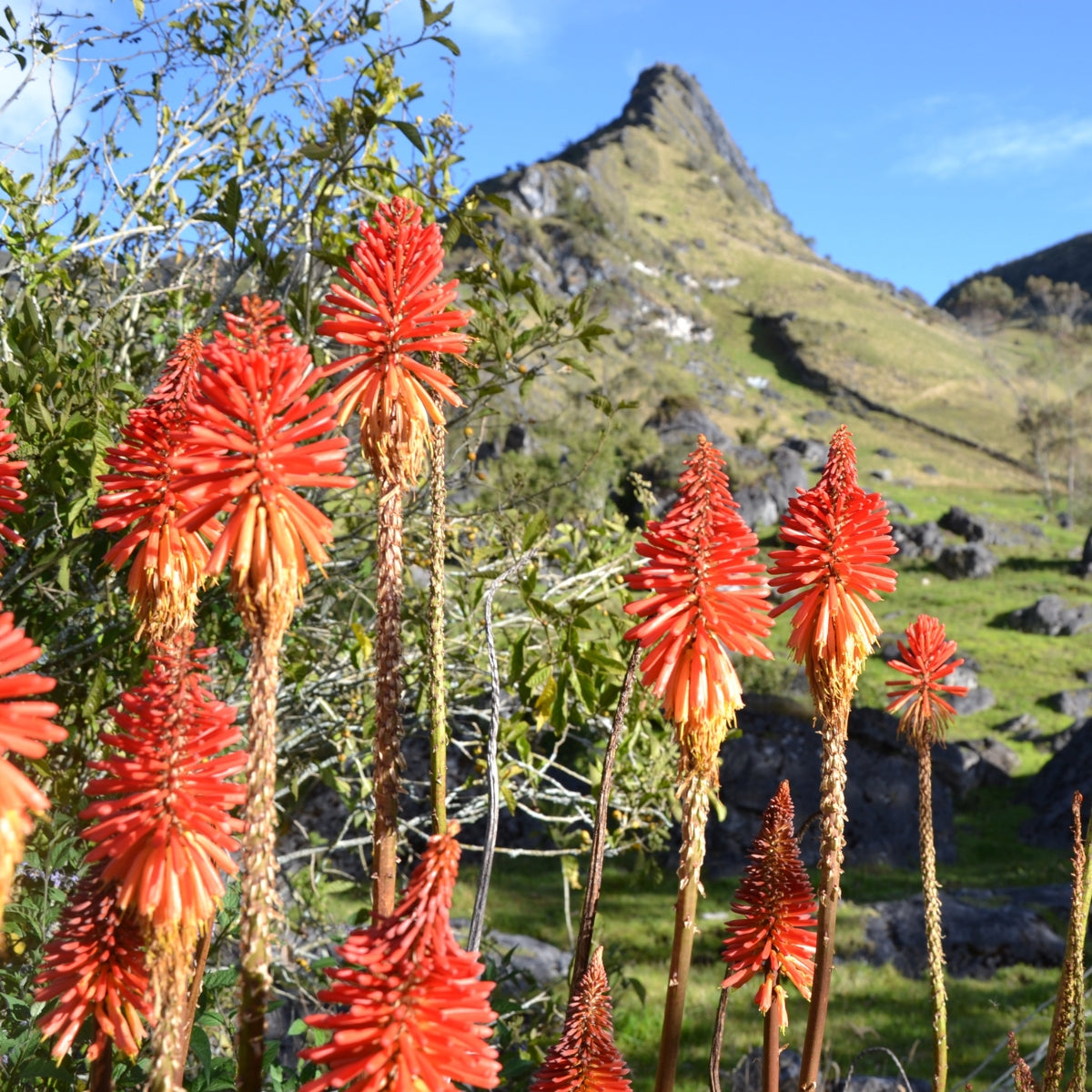
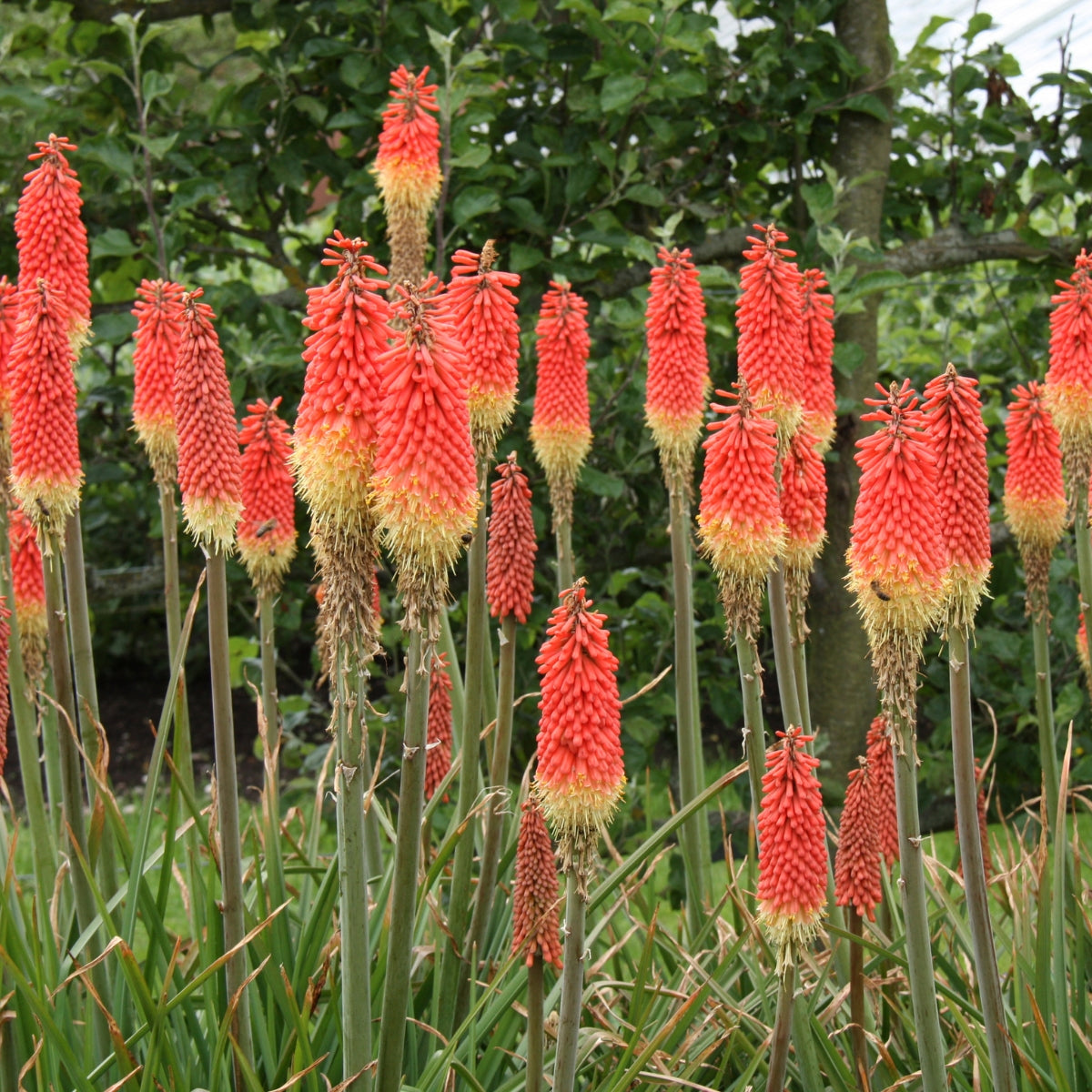
This striking clumping perennial produces tall flower stems topped with dense, torch-shaped blooms. The upper buds begin in fiery shades of red and orange before opening progressively into orange-yellow to golden-yellow flowers, creating the distinctive two-toned appearance associated with Red Hot Pokers.
Its upright flowers rise above a substantial clump of long, arching foliage, making it an impressive feature for sunny borders, mass plantings, cottage gardens and pollinator-friendly landscapes.
Natural Variation
These plants are propagated from seed rather than being cloned from a named cultivar.
Natural variation in mature height, foliage width, flower colour, flowering time and growth habit should be expected. Flowers are anticipated to fall within the traditional Red Hot Poker range of red, orange and yellow, but the exact balance and intensity may differ between plants.
Flower Characteristics
- Tall, upright flower stems
- Dense, cylindrical flower heads
- Red to orange buds
- Flowers opening orange-yellow to golden yellow
- Distinctive two-toned, torch-like appearance
- Flower spikes held well above the foliage
- Excellent vertical garden feature
- Attractive to bees, butterflies and nectar-feeding birds
- Suitable for cutting
- Flowering time varies naturally with climate and the individual plant
Supplied in a 50mm Pot
Supplied as one young, established plant in a 50mm nursery pot.
The 50mm measurement refers to the pot in which the plant is growing—not the plant’s overall height or width.
These are young plants and are not supplied at mature or flowering size. Plant height, leaf number and root development will vary naturally according to the growing cycle and time of year.
Key Features
- Traditional Red Hot Poker
- Fiery red, orange and yellow flowers
- Tall, architectural flower spikes
- Long, arching green foliage
- Grows approximately 1–1.5m tall when flowering
- Develops a substantial clump approximately 60cm–1m wide
- Performs best in full sun
- Frost tolerant once established
- Tolerates dry periods once established
- Benefits from regular moisture during active growth
- Suitable for mass planting
- Excellent pollinator plant
- Can be grown in large containers
- Supplied in a 50mm nursery pot
Suitable Uses
- Sunny garden borders
- Cottage gardens
- Pollinator-friendly gardens
- Feature planting
- Mass planting
- Mediterranean-style gardens
- Tropical-effect gardens
- Mixed perennial beds
- Gravel gardens
- Large containers
- Cut-flower gardens
- Planting among ornamental grasses
- Bold red, orange and yellow colour schemes
Planting Instructions
Plant in a sunny position with fertile, free-draining soil.
Water the plant thoroughly before removing it from the nursery pot. Dig a hole approximately twice the width of the pot and about the same depth as the root ball.
Carefully remove the plant without pulling on the leaves. Position it with the top of the root ball level with the surrounding soil.
Backfill gently, firm the soil and water thoroughly. Do not bury the crown deeply, as continually wet soil around the crown can encourage rot.
Apply mulch around the planting area to help retain moisture and suppress weeds, keeping the mulch clear of the central crown.
For mass planting, space plants approximately 60–100cm apart, depending on the desired coverage and available space.
Care Instructions
Position
Grow in full sun for the strongest growth, straightest flower stems and best flowering display.
Light afternoon shade may be beneficial in extremely hot inland climates, but excessive shade can result in softer foliage, leaning flower stems and reduced flowering.
Soil
Plant in fertile, free-draining soil.
Kniphofia can grow in sandy, loamy and improved clay soils, provided excess water can drain away from the crown. Improve heavy or compacted soil with suitable organic matter before planting.
In high-rainfall or humid climates, consider planting into a slightly raised garden bed to improve drainage.
Watering
Water regularly while the young plant establishes.
Established plants tolerate periods of dry weather, but flowering and foliage quality are generally improved by consistent moisture during active growth and flower development.
Water deeply during extended hot or dry periods. Allow excess moisture to drain and avoid leaving the crown continually saturated.
Feeding
Apply a balanced controlled-release fertiliser during spring or when active growth begins.
An additional light application of flowering-plant fertiliser may be used as flower stems develop. Follow the product label directions and avoid excessive nitrogen, which can encourage foliage growth at the expense of flowers.
Deadheading
Remove spent flower stems at the base once flowering has finished.
Deadheading keeps the plant tidy, reduces unwanted seed production and allows the plant to direct energy back into its crown and roots.
Leave flower heads temporarily if seed collection is intended, remembering that seedlings will not necessarily reproduce the exact appearance of the parent plant.
Foliage Maintenance
Remove brown, damaged or exhausted leaves as required.
In cold climates, foliage may become untidy or partially die back during winter. Trim old growth before fresh seasonal leaves emerge, taking care not to damage the central growing points.
Dividing Established Clumps
Large, crowded clumps can be lifted and divided periodically.
Divide during mild weather when the plant is not experiencing heat or drought stress. Each division should retain healthy roots and at least one strong growing point.
Water newly divided plants regularly until fresh growth indicates that they have re-established.
Frost and Climate
Established plants tolerate frost and are suitable for subtropical, temperate and many cool-climate gardens.
Young plants should be protected from severe frost until established. In colder regions, the foliage may experience winter damage before producing fresh growth as conditions improve.
Hot and Humid Climates
In humid subtropical areas, provide excellent drainage and good airflow.
Avoid planting the crown in a low position where water accumulates during prolonged rain. Raised beds and open, sunny positions can help reduce crown and root problems.
Growing in Containers
Red Hot Poker can be grown in a large, stable container.
Use a premium free-draining potting mix and ensure the drainage holes remain unobstructed. Container-grown plants require regular watering and feeding during active growth.
Repot or divide the plant when the clump becomes crowded.
Responsible Garden Management
Red Hot Poker can produce viable seed and may naturalise in some cool, moist Australian districts.
Check local council guidance before planting, particularly near bushland, waterways or environmentally sensitive areas. Removing spent flower heads before seed matures can help prevent unwanted self-seeding.
Dispose of unwanted seed heads and plant material responsibly.
Product Details
Botanical Name: Kniphofia × praecox
Commonly Listed As: Kniphofia praecox
Common Names: Red Hot Poker, Greater Red Hot Poker, Torch Lily
Family: Asphodelaceae
Origin: Hybrid of Southern African origin
Cultivar: None
Propagation Type: Seed-grown
Plant Type: Clumping herbaceous or semi-evergreen perennial
Growth Habit: Upright flower stems above arching foliage
Flower Colour: Red and orange buds opening to orange-yellow or golden yellow
Flower Form: Dense cylindrical spikes of tubular flowers
Flowering Period: Commonly autumn to winter in warmer climates; timing may extend into spring or vary by location
Mature Foliage Height: Approximately 80cm–1m
Mature Flowering Height: Approximately 1–1.5m
Mature Width: Approximately 60cm–1m
Position: Full sun
Soil: Fertile and free-draining
Water Needs: Moderate during active growth; lower once established
Drought Tolerance: Moderate to high once established
Frost Tolerance: Frost tolerant once established
Supply Format: Young live plant in a 50mm nursery pot
End Use: Borders, feature planting, mass planting, containers and pollinator gardens
Important Information
- These plants are propagated from seed
- They are not a named or clonally propagated cultivar
- Natural variation between individual plants is expected
- Exact flower colour and flowering time cannot be guaranteed
- Supplied plants are young and not flowering size
- Plants are not guaranteed to be flowering when dispatched
- The 50mm measurement refers to the nursery pot
- Plant height, leaf number and root development will vary
- Mature size will depend on climate, soil, position and care
- Red Hot Poker may self-seed or naturalise in some districts
- Check local council advice before planting
- Remove spent flower heads to reduce unwanted seed production
- Example photographs show the expected mature flower form only
FAQ
Is this a named Red Hot Poker cultivar?
No. These are seed-grown Kniphofia praecox plants rather than a named cultivar.
Will every plant produce identical flowers?
No. Individual plants may differ in flower colour, height, foliage and flowering time. Blooms are expected to contain red, orange and yellow tones, but their exact appearance cannot be guaranteed.
How tall does Kniphofia praecox grow?
The foliage generally reaches approximately 80cm–1m tall, while mature flower stems can bring the total height to approximately 1–1.5m.
When will my plant flower?
These are young plants and require time to mature. Flowering time will depend on climate, growing conditions and the individual plant.
Does Red Hot Poker require full sun?
Full sun is recommended for strong growth and reliable flowering. Plants grown in excessive shade may produce fewer flowers and weaker stems.
Is it drought tolerant?
Established plants tolerate dry periods, but regular moisture during active growth and flowering will produce better results.
Does it tolerate frost?
Yes. Mature plants are frost tolerant, although young plants should be protected from severe frost while establishing.
Can it be grown in a container?
Yes. Use a large, stable container with a free-draining potting mix. Water and feed regularly during active growth.
Can Red Hot Poker spread into surrounding areas?
It can self-seed and naturalise in some suitable climates. Remove spent flowers before seed matures and check local council recommendations before planting near bushland or waterways.
What size plant will I receive?
You will receive one young, established plant growing in a 50mm nursery pot. The pot measurement does not describe the plant’s height.