


Manzanillo Olive Tree | Olea europaea ‘Manzanillo’
- Regular price
-
$8.90 - Regular price
-
$10.00 - Sale price
-
$8.90
Couldn't load pickup availability
-
Hurry, only 15 items left in stock!
Shipping information & Pickup
Shipped from Wardell, NSW. Shipping is calculated at checkout by weight, cubic weight and location.
Standard delivery is usually 2–8 business days. WA, NT and TAS may take 14–30 business days due to biosecurity inspection.
Free Local Pickup: Enter 1335 Wardell Road, Wardell NSW 2477 as the delivery address at checkout to display this option. Free delivery is available within 2 km. Travelling through or need something urgently? Contact us first, as some items may need to be ordered in.
Returns
If you aren't happy with your order. we accept returns.

Description
Grow one of the world’s most widely planted table olive varieties with Manzanillo Olive, an attractive evergreen tree valued for its silver-green foliage and productive crops of medium-to-large fruit.
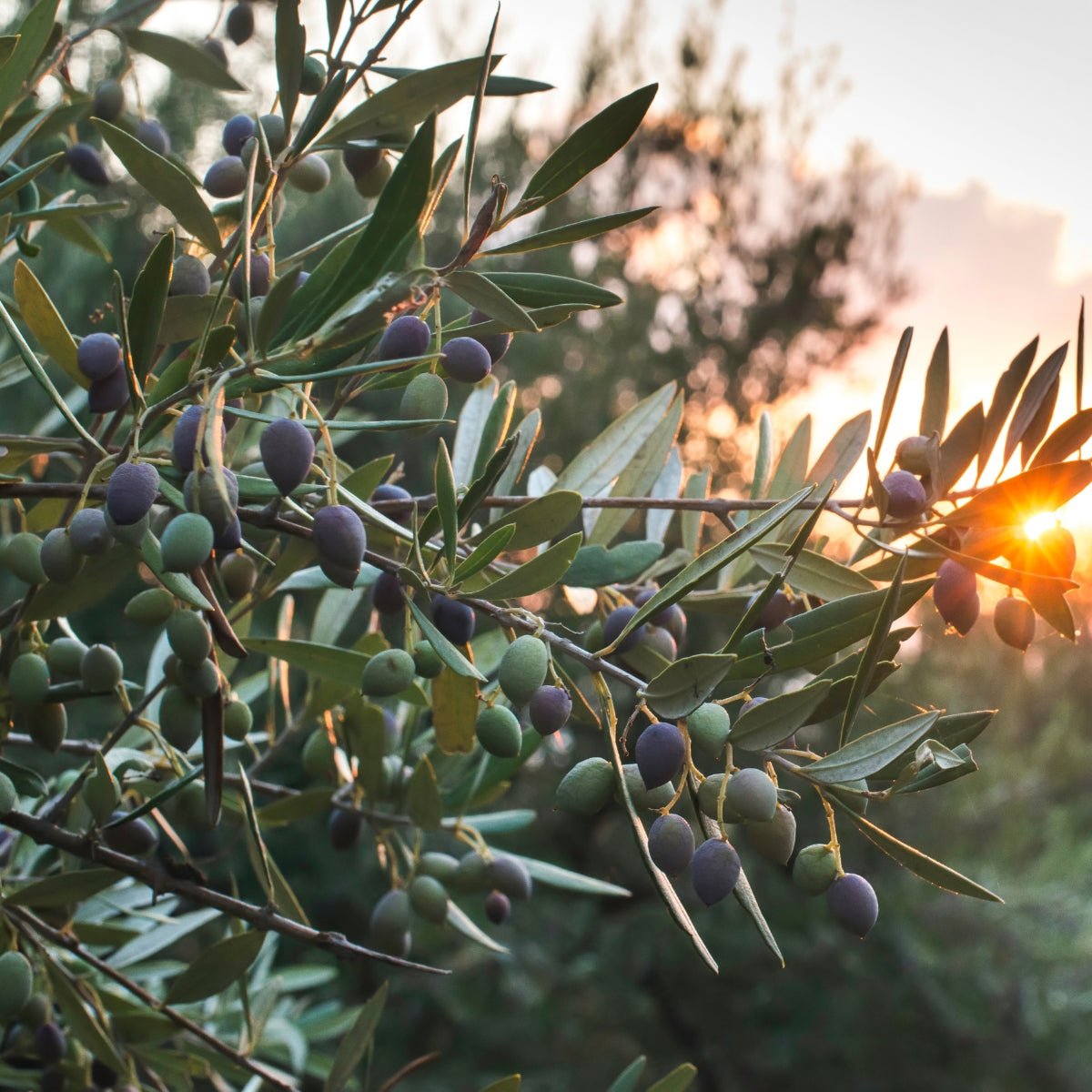
Originally from Spain, Manzanillo olives have a high flesh-to-stone ratio, firm texture and excellent flavour after processing. The fruit can be harvested green or allowed to develop darker purple-black colouring before curing.
Manzanillo is particularly well suited to pickling and table use. The fruit also contains a moderate amount of oil and may be used for small-scale oil production.
Plant Size Note
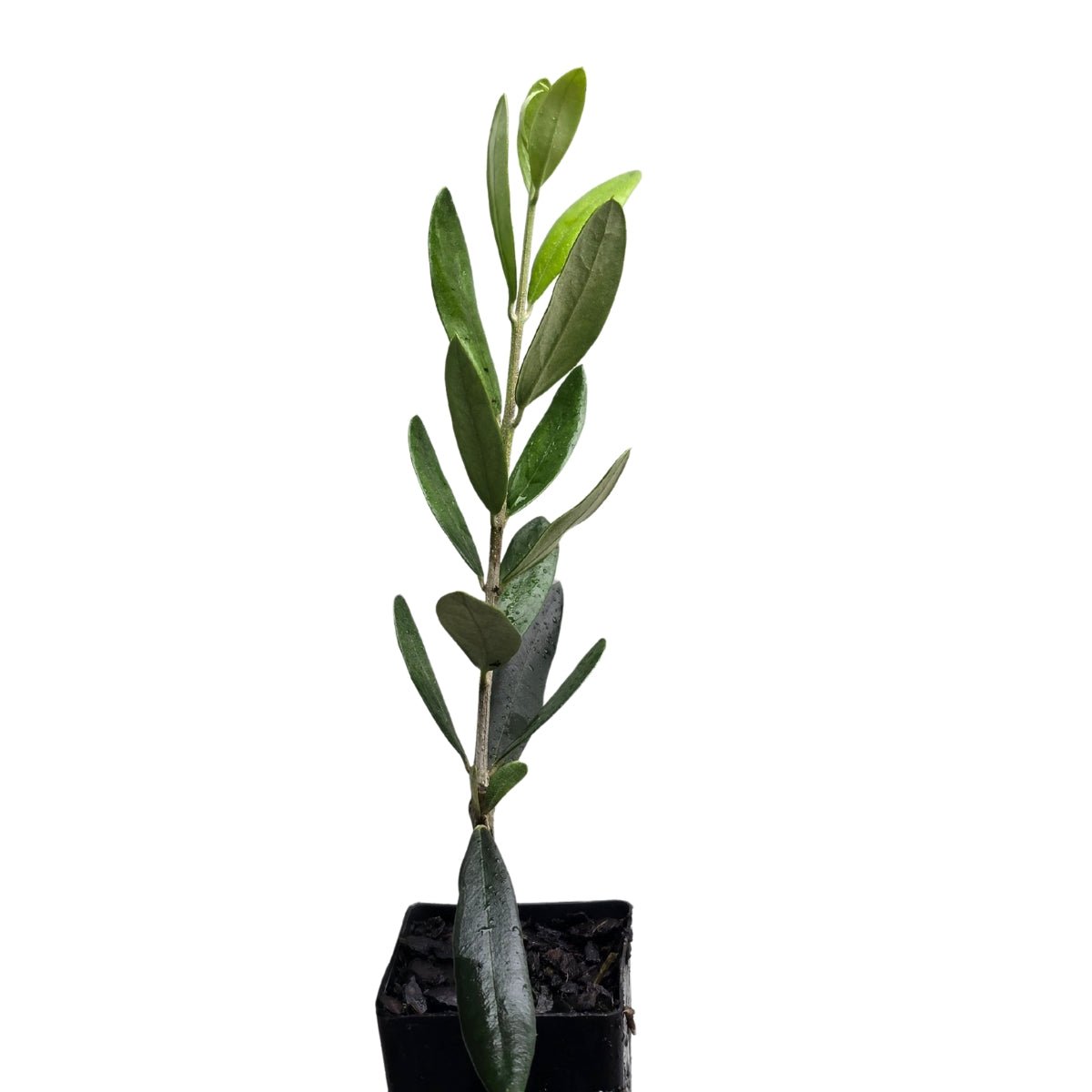
Supplied as a young plant in a 42mm tube.
Plants supplied in 42mm tubes are small starter plants and will require several growing seasons to establish before reaching fruiting maturity.
Plants are unlikely to be flowering or carrying fruit when dispatched. Height, branching, foliage and seasonal appearance will vary naturally between individual plants.
Features
- Olea europaea ‘Manzanillo’
- Popular Spanish olive cultivar
- Medium-to-large fruit
- High flesh-to-stone ratio
- Fruit can be processed while green or dark
- Excellent flavour and firm texture after curing
- Primarily grown as a table and pickling olive
- May also be used for olive oil
- Attractive evergreen tree
- Narrow silver-green foliage
- Small creamy-white flowers
- Early-ripening olive variety
- Productive under suitable conditions
- Drought tolerant once established
- Can be maintained at a smaller size through pruning
- Suitable for orchards, gardens and large containers
- Supplied in a 42mm tube
Manzanillo fruit averages approximately 4.8g under suitable commercial conditions, although fruit size and crop quantity will vary considerably between gardens and climates.
Important Olive Processing Warning
Olives must not be eaten directly from the tree.
Freshly harvested olives contain naturally bitter compounds and must be properly cured before eating. Suitable methods may include brine curing, water curing, dry-salt curing or another recognised food-safe process.
Always follow a trusted olive-curing recipe and appropriate food-safety procedures.
Fruit
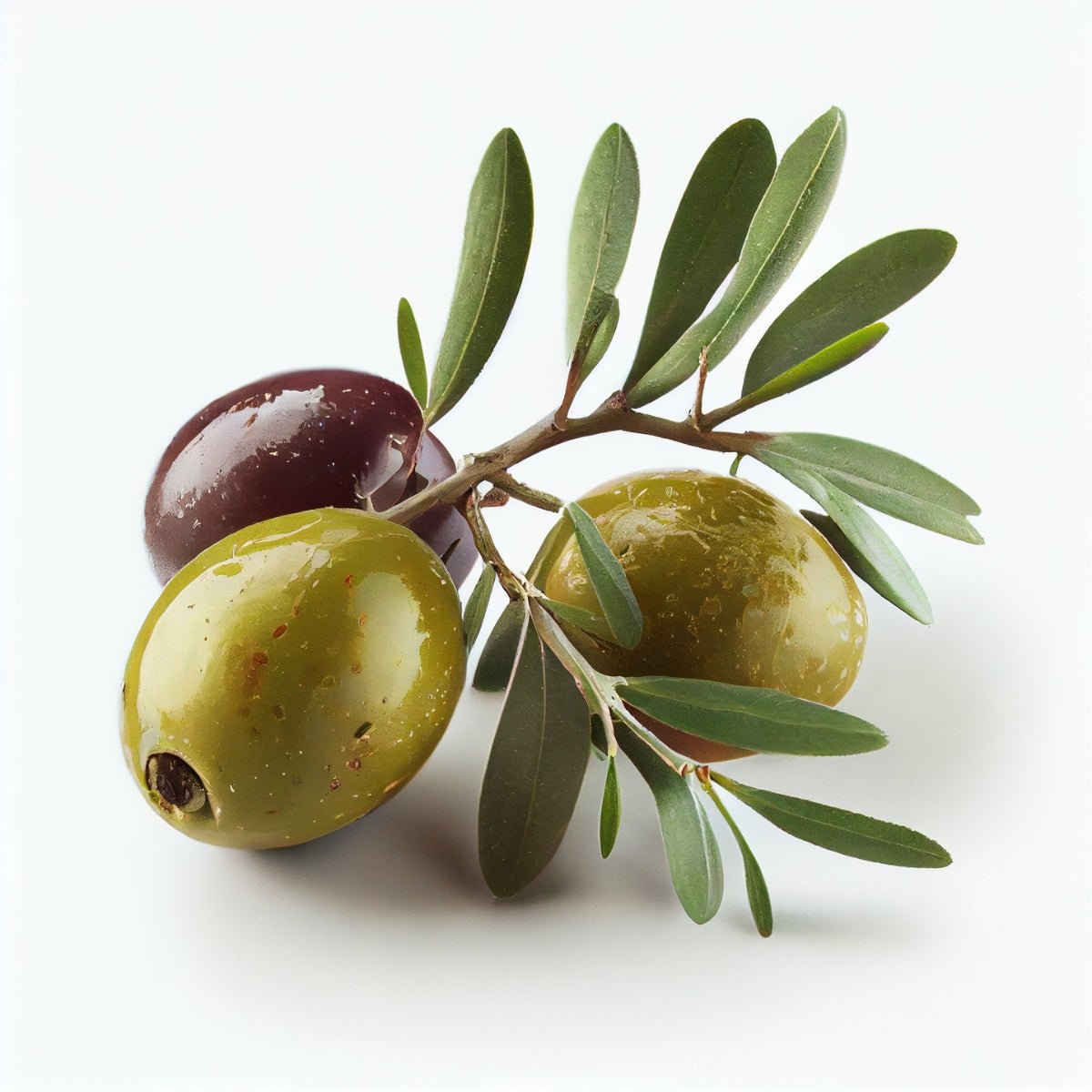
Manzanillo produces medium-to-large olives that can be harvested at different stages of maturity.
Green fruit is generally firmer and particularly well suited to pickling. Fruit can also be left to develop purple-black colouring before processing.
Manzanillo olives are suitable for:
- Green table olives
- Dark table olives
- Brine curing
- Pickling
- Stuffed olives
- Tapenade
- Mediterranean cooking
- Small-scale olive oil production
For firmer table olives, the fruit is commonly processed before becoming fully ripe.
Pollination
Manzanillo may produce some fruit when planted alone, but fruiting can be unreliable without pollen from another compatible olive cultivar.
For stronger and more consistent fruit set, plant a different compatible olive variety nearby.
Suggested pollinating partners include:
- Frantoio
- Coratina
- Pendolino
- Picual
Pollination recommendations can vary between climates, but Western Australian agricultural guidance specifically lists Frantoio, Coratina and Pendolino as suitable cross-pollinators for Manzanillo.
Olive flowers are primarily wind-pollinated, so the second variety should be planted where pollen can move freely between the trees.
Mature Size
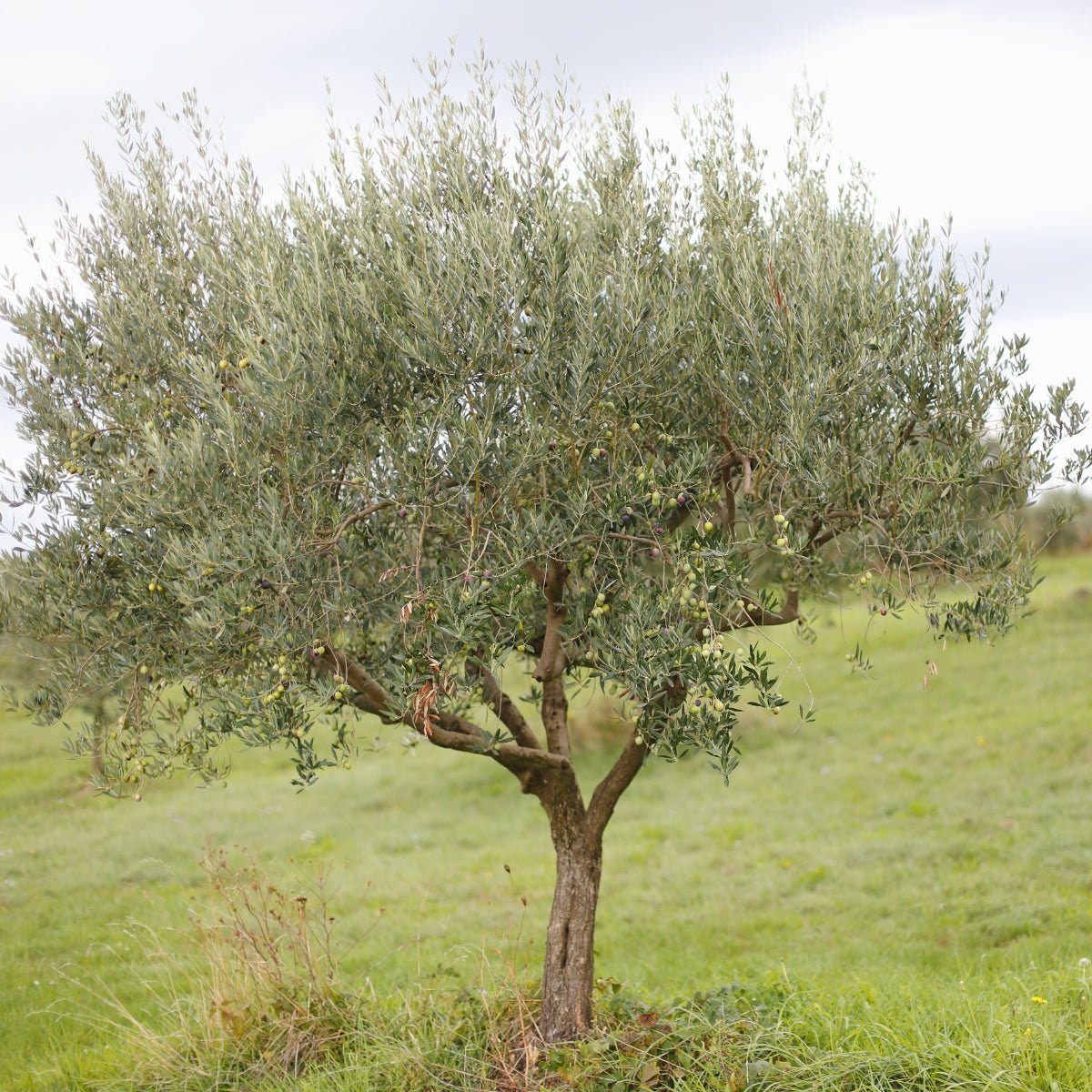
Manzanillo generally develops into a medium to large evergreen tree.
Approximate mature size:
- Height: 4–8m
- Width: 4–6m
Size varies depending on climate, soil, watering and pruning. Regular pruning can maintain the tree at approximately 2–4m high for easier harvesting and management. Australian nursery specifications commonly place mature Manzanillo trees between approximately 4m and 8m tall.
Planting & Care
Plant Manzanillo Olive in full sun.
Choose an open position receiving at least six hours of direct sunlight each day. Strong sunlight supports dense growth, flowering and fruit development.
Olive trees require free-draining soil and should not be planted where water remains around the roots. In heavy clay or high-rainfall areas, improve drainage or plant into a raised mound.
Plant at approximately the same depth that the young plant was growing in its tube. Avoid burying the stem.
Water thoroughly after planting and provide regular moisture while the young tree establishes. A small plant in a 42mm tube should not be allowed to dry out completely during its early development.
Once established, olive trees develop good drought tolerance. Additional deep watering during prolonged dry periods and fruit development can support stronger crops. Manzanillo performs best in sunny, free-draining conditions and is drought tolerant once mature.
Apply mulch around the root zone to retain moisture and suppress weeds. Keep the mulch several centimetres away from the trunk.
Climate
Manzanillo performs best in climates with:
- Warm to hot summers
- Cool winters
- Plenty of sunlight
- Free-draining soil
- Good airflow
- Relatively dry flowering and ripening conditions
It is well suited to Mediterranean and warm-temperate climates.
The tree can grow in subtropical regions, but flowering and fruit set may vary where winters are very mild or humidity and rainfall remain high. Provide maximum sunlight, excellent drainage and airflow in warmer, wetter climates.
Flowering & Harvest
Small creamy-white flowers generally develop during spring.
The fruit ripens relatively early compared with many other olive cultivars. In Australian conditions, harvesting may begin from approximately April, although timing varies with climate, location, plant maturity and the intended curing method.
Fruit can be harvested green for firmer pickling olives or left longer to develop darker colouring.
Olives commonly produce heavier crops in some seasons and lighter crops in others. Fruit production cannot be guaranteed.
Pruning
Tip prune young trees where required to encourage branching and create a stronger framework.
Once established:
- Remove dead or damaged branches
- Remove crossing or congested growth
- Maintain an open canopy with good airflow
- Control the height for easier harvesting
- Remove suckers growing from the base or lower trunk
Manzanillo can develop a tall or open habit without pruning, so light regular trimming will help create a denser and more manageable tree.
Avoid excessive pruning, as olives produce fruit on growth formed during the previous season.
Feeding
Apply a balanced controlled-release fertiliser during spring as active growth begins.
Avoid excessive nitrogen, which may encourage leafy growth at the expense of flowering and fruiting.
Compost or well-rotted organic matter may be applied around the root zone, keeping it away from the trunk.
Growing in Pots
Manzanillo Olive can be grown in a large container with regular pruning.
Begin by transferring the young plant into a pot only slightly larger than its existing root system. Avoid placing a small 42mm-tube plant directly into an excessively large container.
Use a premium free-draining potting mix and a sturdy pot with clear drainage holes.
Position the container in full sun.
Container-grown olives require:
- Regular watering
- Excellent drainage
- Seasonal feeding
- Gradual movement into larger pots
- Pruning to control height and canopy size
Manzanillo is suitable for large pots but will eventually become a substantial tree unless regularly managed.
Landscape Uses
Manzanillo Olive is suitable for:
- Home orchards
- Edible gardens
- Mediterranean-style gardens
- Feature tree planting
- Large containers
- Courtyards
- Driveway planting
- Rural and acreage gardens
- Productive gardens
- Informal screening
- Espalier or trained forms
Allow approximately 4–6m between trees where they will be grown as individual fruiting trees.
Closer planting may be used where trees will be regularly pruned and managed as an orchard row.
Biosecurity & Shipping Restrictions
State, territory and regional biosecurity restrictions may apply to live olive plants.
Please check whether this plant can be sent to your delivery address before ordering. Orders placed for restricted destinations may need to be cancelled and refunded.
Biosecurity requirements may change without notice.
Product Details
Botanical Name: Olea europaea ‘Manzanillo’
Alternative Name: Manzanilla Olive
Common Name: Manzanillo Olive
Plant Type: Evergreen fruiting tree
Supplied As: Young live plant in a 42mm tube
Origin: Spain
Primary Use: Table and pickling olive
Secondary Use: Olive oil production
Flower Colour: Creamy white
Fruit Colour: Green, ripening towards purple-black
Fruit Size: Medium to large
Fruit Texture: Firm and fleshy after processing
Foliage: Narrow silver-green evergreen leaves
Growth Habit: Upright to spreading
Mature Height: Approximately 4–8m
Mature Width: Approximately 4–6m
Flowering Time: Spring
Harvest Time: Generally autumn, depending on climate
Pollination: Another compatible cultivar is recommended
Suggested Pollinators: Frantoio, Coratina, Pendolino or Picual
Aspect: Full sun
Soil: Free-draining soil
Watering: Regular while establishing; drought tolerant once mature
Pruning: Light regular pruning to control size and improve density
Uses: Table olives, pickling, oil, orchards and feature planting
Important Note
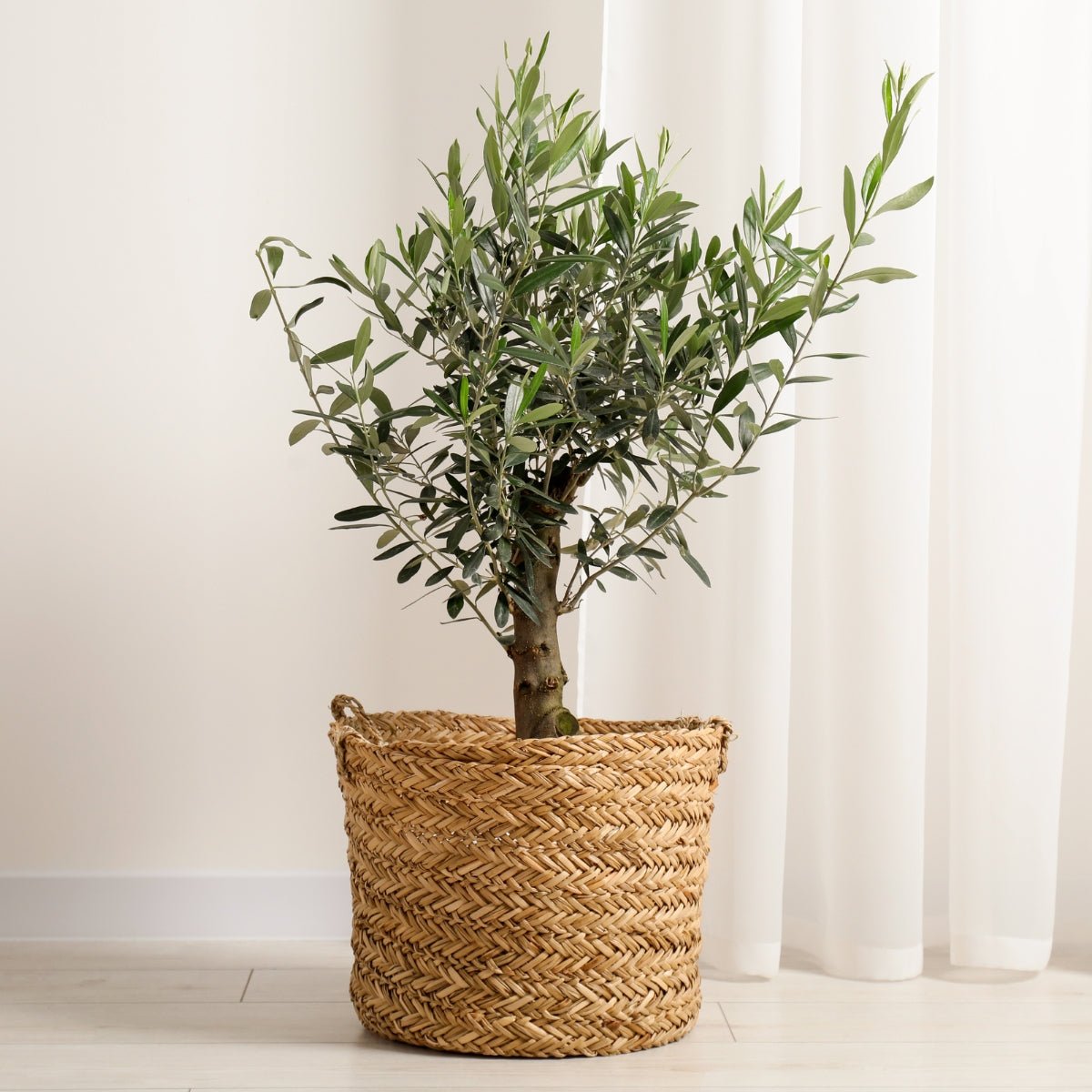
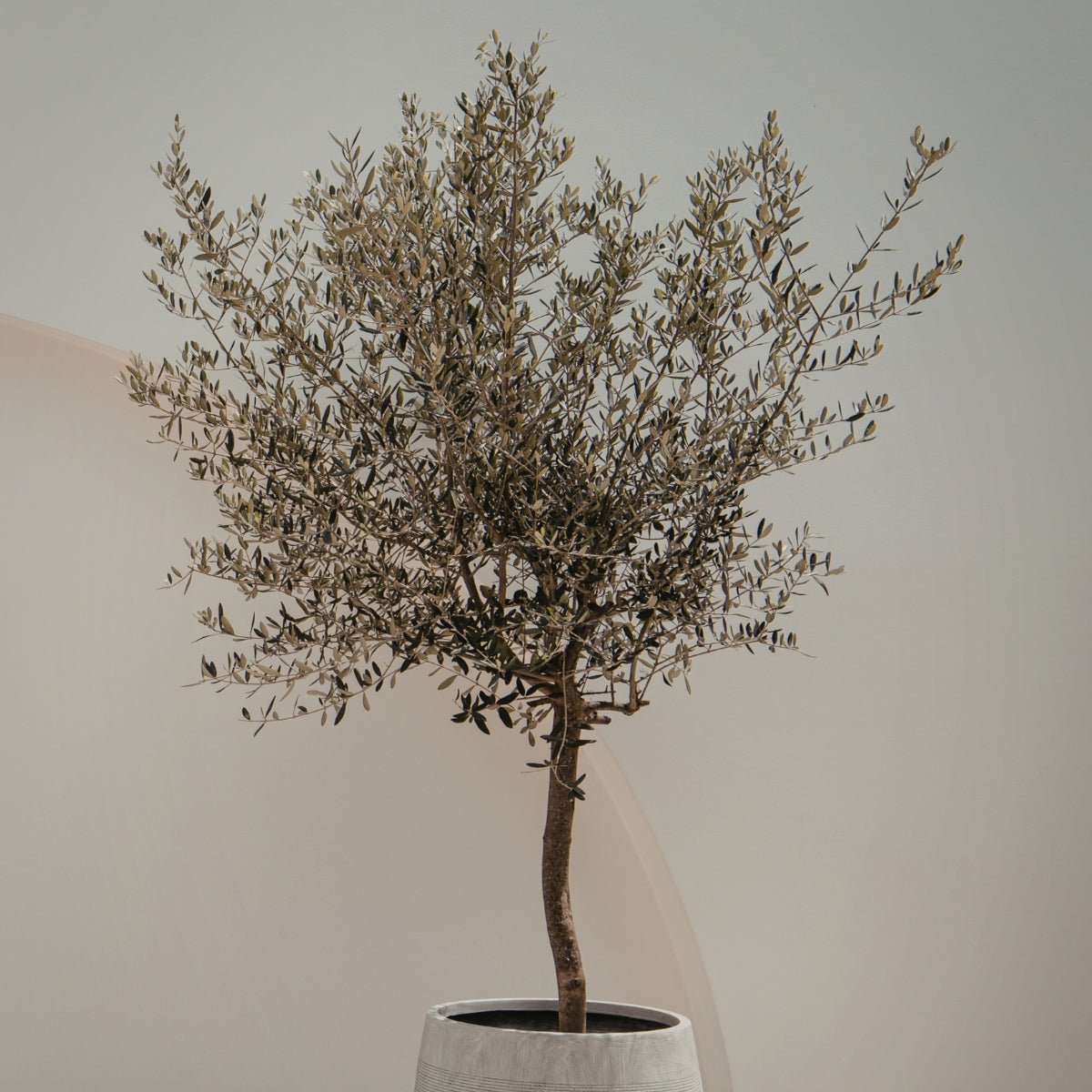
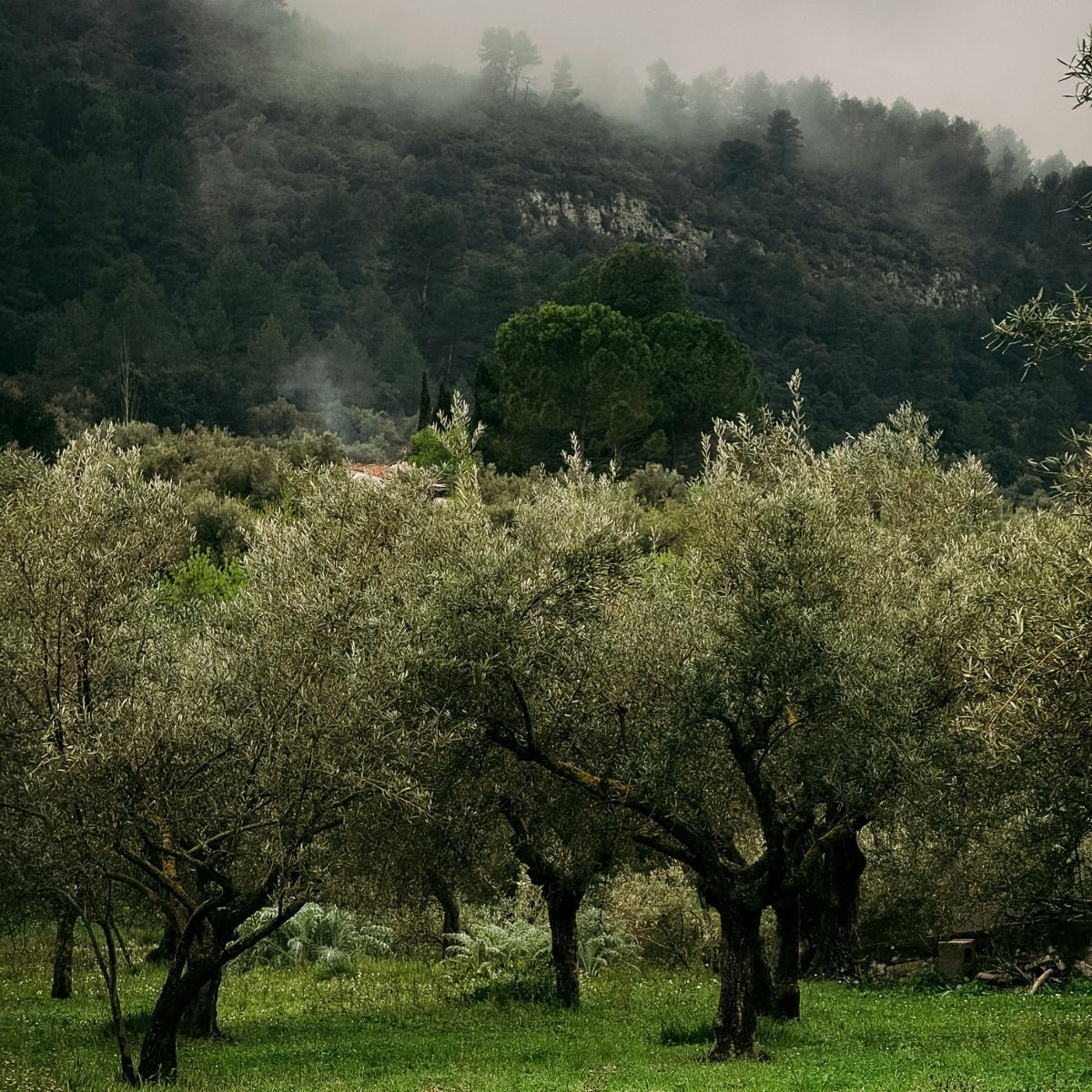
Images show mature established trees and developed fruit and are provided as examples only.
You will receive a young starter plant in a 42mm tube. It may have limited branching and is unlikely to be flowering or carrying fruit when dispatched.
Fruit production, fruit size, flavour and annual crop quantity will depend on plant maturity, pollination, climate and growing conditions.
FAQ
What size plant will I receive?
You will receive a young Manzanillo Olive plant supplied in a 42mm tube.
Will it arrive with olives?
It is unlikely. A plant supplied in a 42mm tube is young and will require time to establish before fruiting.
How long will it take to fruit?
A young starter plant will generally require several growing seasons before producing a useful crop. Timing depends on propagation method, climate, care and pollination.
Can Manzanillo olives be eaten directly from the tree?
No. Fresh olives are extremely bitter and must be properly cured or processed before consumption.
Are Manzanillo olives green or black?
They can be harvested and processed while green or allowed to develop darker purple-black colouring.
What are Manzanillo olives used for?
They are primarily used as table and pickling olives. They may also be pressed for oil.
Does Manzanillo need another olive tree?
Another compatible variety is strongly recommended for more reliable pollination and fruit set.
Which varieties can pollinate Manzanillo?
Suitable options include Frantoio, Coratina, Pendolino and Picual.
Will two Manzanillo trees pollinate each other?
Two trees of the same cultivar may not provide the same cross-pollination benefit as planting two genetically different compatible varieties.
How large does Manzanillo grow?
It can reach approximately 4–8m high and 4–6m wide if left unpruned.
Can it be kept smaller?
Yes. Regular pruning can maintain it at a more manageable height for gardens, pots and harvesting.
Does it need full sun?
Yes. Full sun is recommended for strong growth, flowering and fruit production.
Is it drought tolerant?
Yes, once established. Young plants still require regular watering while their root systems develop.
Can it grow in a pot?
Yes. It can be grown in a large container with excellent drainage and regular pruning.
Is it suitable for subtropical climates?
The tree can grow in subtropical regions, although fruiting may vary in very humid areas or where winters are too mild.
Does it tolerate frost?
Established olive trees can tolerate some frost, although young plants and developing flowers should be protected from severe frost.
When should Manzanillo olives be harvested?
Fruit may begin ripening during autumn. Harvest green for firmer pickling olives or allow it to develop darker colouring before processing.